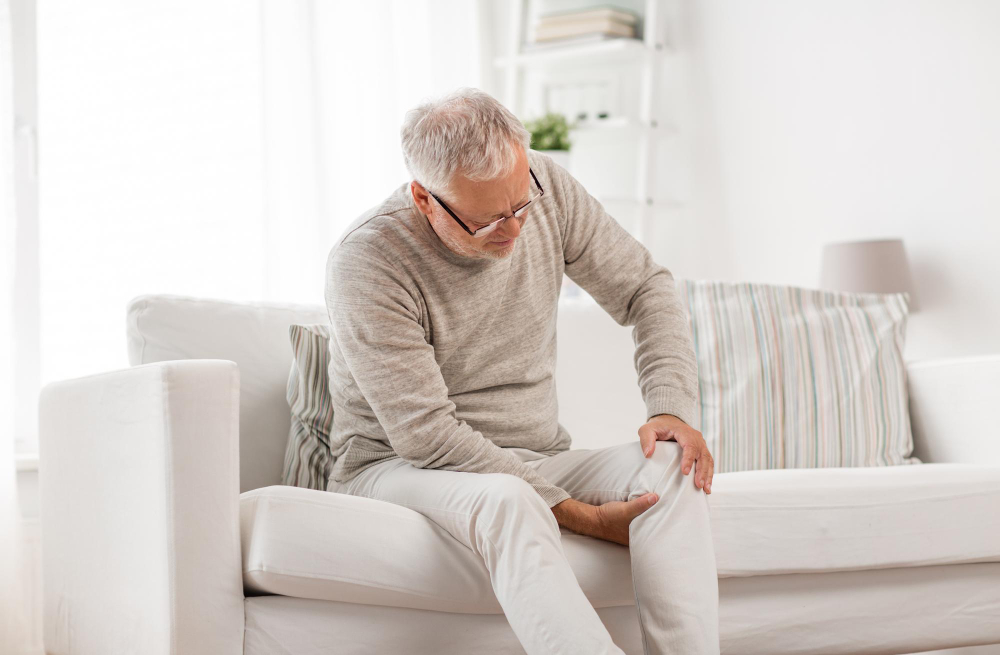

The pain in the knees is so prevalent in the elderly population that it is assumed that this is just a normal aspect of old age. Knee conditions caused by age in India are one of the most common causes of orthopaedic visits. However, the belief that knee pain is the price that has to be paid is mistaken and dangerous.
Ignoring the pain of the knee as an ageing process slows down diagnosis and treatment. In the meantime, the underlying disease moves on. Cartilages become further worn, muscles lose their tone through inactivity, and daily activities are more and more limited. When numerous patients consult, the damage is much more developed than it should have been.
This blog is able to distinguish between normal changes in the joints with age and actual pathology. You will find out the true causes of knee pains in elderly adults, the time to consult a professional, and know how knee replacement in Delhi can make your life worth living.
What Actually Happens to Knee Joints as You Age?
The knee joint is filled with cartilage, menisci, ligaments, synovial fluid, and muscles. They are all age-altering components; however, they do not necessarily lead to pain.
The cartilage degenerates with age as it contains less water and regenerates cells more slowly. Production of synovial fluid decreases, and the lubrication of the joints is lowered. The knee muscles do not get regular strengthening activity, and hence, put more stress on the knee joint. Such developments make it vulnerable.
On their part, they do not cause much pain. When a certain condition emerges in this ageing joint, it causes pain, and it is important to determine that condition.
What Are the Most Common Real Causes of Knee Pain After 50?
| Condition | Description | Key Symptom |
| Osteoarthritis | Cartilage breakdown and bone-on-bone friction | Pain worsening with activity, morning stiffness |
| Meniscus tear | Degenerative tearing of the cartilage cushions | Sharp pain on twisting, locking or clicking |
| Bursitis | Inflammation of fluid-filled sacs around the knee | Localised swelling and tenderness |
| Patellofemoral syndrome | Kneecap tracking problem | Pain on stairs, prolonged sitting |
| Gout or pseudogout | Crystal deposits in the joint | Sudden severe pain, warmth, and swelling |
| Baker’s cyst | Fluid-filled swelling behind the knee | Tightness and discomfort at back of the knee |
How Do You Know When Knee Pain Has Become a Medical Problem?
It is not alarming that occasionally some minor pains may occur after a strenuous walk or other activities. The subsequent symptoms reflect a disorder that needs a professional assessment:
- The pain that does not disappear when you are resting or sleeping at night.
- Swelling that fails to improve in 48 hours.
- Pain in the knee when walking, with a feeling of giving way.
- Lack of complete straightening/bending of the knee.
- Suffering that makes you feel incapable of climbing stairs and walking a short distance.
- Obvious deformity or great alteration of the form of the knee.
The presence of any of these symptoms in an older adult should be subject to immediate examination. The most common and expensive error is waiting and hoping that the symptoms will go away on their own with advanced pathology.
Book your knee examination at www.drrajeshmalhotra.com today.
What Non-Surgical Treatments Work for Knee Pain in Older Adults?
Knee pain does not necessarily need to be operated on. The effective non-surgical methods are:
- Physiotherapy: Quadriceps and hamstrings are to be strengthened, which will decrease the load on the joint.
- Weight management: The weight of the body by one kilogram is equivalent to 4 kilograms of force on the knee.
- Knee bracing: The Offloader braces decrease the impact on the injured compartment.
- Intra-articular injections: Corticosteroid or hyaluronic acid injections are short-term pain relievers.
- Activity modification: Replacing high-impact activities, such as swimming or bike riding, with low-impact ones, such as walking.
Conclusion
Knee pain during old age is not normal and must not be accepted as ordinary. It is a sign of a diagnosable and manageable disorder. Early diagnosis results in a positive outcome that is less invasive. Knee replacement in Delhi is one of the most effective life-altering solutions in case of failure of conservative care.
Knee pain no longer needs to control how independent and free you are. Expert help is available.
Schedule your knee consultation with Dr. Rajesh Malhotra at www.drrajeshmalhotra.com