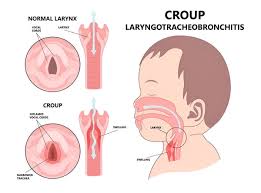

Croup disease is a common respiratory illness that primarily affects young children, causing distressing symptoms and raising concerns among parents and caregivers. A frequent question that arises is, “Is croup disease contagious?” Understanding the nature of croup, how it spreads, and the best ways to manage and prevent it is essential for maintaining health and wellness in children and families. This comprehensive guide will explore everything you need to know about croup, focusing on its contagiousness, symptoms, treatment options, and prevention strategies.
What Is Croup Disease?
Croup disease is a viral infection that affects the upper airway, including the larynx, trachea, and bronchi. It is characterized by inflammation leading to a distinctive barking cough, hoarseness, and breathing difficulties. The condition is most common in children between 6 months and 3 years old but can occasionally affect older kids.
Croup is typically caused by viruses, with the parainfluenza virus being the most common culprit. Other viruses, such as adenovirus, respiratory syncytial virus (RSV), and influenza, can also cause croup. The infection results in swelling of the airway, which can lead to breathing problems, especially during nighttime episodes.
How Does Croup Disease Spread?
Understanding how croup disease spreads is crucial for controlling outbreaks and protecting vulnerable populations. Since croup is caused by viruses, it is highly contagious. The primary mode of transmission is through respiratory droplets expelled when an infected person coughs, sneezes, or talks. These droplets can land in the mouths or noses of nearby individuals or be inhaled into their lungs.
Additionally, the virus can survive on surfaces such as toys, doorknobs, and countertops. Touching these contaminated surfaces and then touching the face, especially the mouth, nose, or eyes, can facilitate indirect transmission.
Is Croup Disease Contagious?
Yes, croup disease is contagious. The contagious nature of croup depends on the stage of the infection and the immune system of the individual. Typically, children are most contagious during the initial days of illness when viral shedding is at its peak. The contagious period can last from a few days up to a week, especially if the symptoms persist.
Proper hygiene practices, such as frequent handwashing, covering coughs and sneezes, and avoiding close contact with infected individuals, are essential in preventing the spread of the virus.
Recognizing the Symptoms of Croup
Early recognition of croup symptoms is vital for timely intervention and reducing the risk of complications. The hallmark signs include:
- Barking cough: Often described as a seal-like or barking sound, especially during nighttime or when crying.
- Hoarseness: A raspy voice resulting from inflammation of the vocal cords.
- Stridor: A high-pitched wheezing sound during inhalation, indicating airway narrowing.
- Difficulty breathing: Increased work of breathing, with rapid respirations and sometimes nasal flaring.
- Fever: Mild to moderate, often accompanying the infection.
- Restlessness and irritability: Due to breathing difficulty and discomfort.
Most cases of croup are mild and manageable at home, but severe cases may require urgent medical attention.
How Is Croup Diagnosed?
Diagnosis of croup primarily involves a clinical evaluation by a healthcare provider. The doctor will assess the child’s symptoms, listen to the cough and breathing sounds, and observe for signs of respiratory distress. In some cases, additional tests such as a chest X-ray may be performed to rule out other conditions like pneumonia or foreign body obstruction.
Since croup is caused by viruses, laboratory testing is typically unnecessary unless there is a concern about other infections or complications. The key is recognizing the characteristic symptoms and understanding that croup disease is contagious during the infectious period.
Treatment Options for Croup
Most cases of croup resolve on their own within a few days with supportive care. However, certain treatments can help ease symptoms and prevent complications:
- Humidified air: Using a humidifier or taking the child into a steamy bathroom can soothe inflamed airways.
- Hydration: Ensuring adequate fluid intake helps keep mucus thin and reduces irritation.
- Rest: Adequate rest supports recovery.
- Medications: In more severe cases, doctors may prescribe corticosteroids such as dexamethasone to reduce airway inflammation. In cases of significant breathing difficulty, nebulized epinephrine may be administered in a clinical setting.
- Monitoring: Close observation for worsening symptoms is crucial, especially during the night.
In rare instances where breathing becomes severely compromised, hospitalization may be necessary for oxygen therapy and advanced airway management.
Preventing the Spread of Croup: Tips for Caregivers
Because croup disease is contagious, prevention is key to protecting children and others in the household. Here are some effective strategies:
- Practice good hygiene: Regular handwashing with soap and water is the most effective way to prevent viral spread.
- Cover coughs and sneezes: Encourage children to cover their mouth and nose with a tissue or elbow.
- Disinfect surfaces: Clean toys, doorknobs, and other frequently touched surfaces regularly.
- Avoid close contact: Keep infected children away from others, especially in settings like daycare and preschool.
- Stay home when sick: Children with symptoms should remain at home until fully recovered to prevent transmission.
- Ensure vaccination: While there is no vaccine specifically for croup, staying updated on routine immunizations, including flu vaccines, helps prevent respiratory illnesses that can lead to croup.
When to Seek Medical Attention
While many cases of croup are mild, certain warning signs indicate the need for urgent medical care:
- Severe difficulty breathing or persistent stridor at rest
- Bluish coloration of lips or face
- High fever that does not respond to medication
- Decreased responsiveness or lethargy
- Signs of dehydration, such as dry mouth or no tears when crying
- Rapid worsening of symptoms
Prompt medical attention can provide necessary treatments to ease breathing and prevent serious complications.
Conclusion: Understanding the Contagious Nature of Croup
In summary, croup disease is contagious, primarily transmitted through respiratory droplets and contact with contaminated surfaces. Recognizing the symptoms early, practicing good hygiene, and taking preventive measures are essential steps in reducing transmission and maintaining health and wellness within families and communities.
If your child exhibits symptoms of croup, especially signs of breathing difficulty, seek medical advice promptly. With proper care and preventive strategies, most children recover fully from croup, and the spread of the virus can be effectively controlled.
By staying informed and vigilant, you can safeguard your child’s health and contribute to a healthier, more aware community.