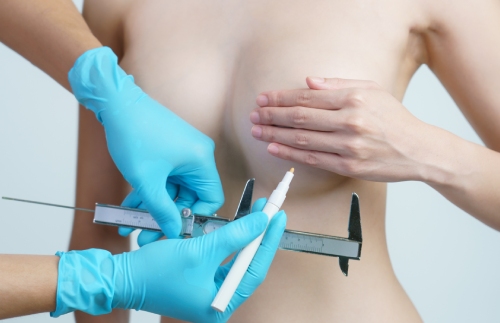

The appearance and structure of nipples vary naturally from person to person. Some nipples project outward, while others may appear flat or turn inward. Although these conditions are often harmless, many individuals seek treatment because of cosmetic concerns, emotional discomfort, or challenges with breastfeeding. In recent years, Inverted Nipple Surgery in Dubai has become a widely discussed option for people looking to improve nipple projection and restore confidence in their appearance. Understanding the distinction between flat nipples and inverted nipples is essential before exploring available treatment options.
What Are Flat Nipples?
Flat nipples do not protrude significantly above the surrounding areola. They may appear level with the skin and often become more noticeable during cold temperatures or stimulation. Unlike inverted nipples, flat nipples usually do not retract inward. They simply lack outward projection.
Many people with flat nipples experience no medical concerns at all. However, some may feel self-conscious about the appearance of their chest, especially when wearing fitted clothing or swimwear. In some cases, flat nipples may also create mild breastfeeding difficulties because the baby may struggle to latch properly.
Flat nipples can occur naturally due to genetics, hormonal influences, or breast tissue structure. They are not always permanent and may temporarily protrude with stimulation.
What Are Inverted Nipples?
Inverted nipples pull inward instead of pointing outward. This occurs when the connective tissue or milk ducts beneath the nipple are shorter or tighter than usual, causing the nipple to retract into the breast.
Inversion can affect one or both nipples and may vary in severity. Some nipples can be pulled outward temporarily but retract again shortly afterward, while others remain permanently inverted.
Inverted nipples are often classified into different grades depending on their severity and flexibility. Mild inversion may only appear occasionally, whereas severe inversion remains deeply retracted at all times.
Key Differences Between Flat and Inverted Nipples
Although the two conditions may look similar at first glance, flat nipples and inverted nipples differ in structure and behavior.
Flat nipples rest evenly against the areola without pulling inward. Inverted nipples, however, retract below the surface of the skin. A flat nipple may respond to stimulation by protruding naturally, while an inverted nipple often remains tucked inward.
The underlying cause is also different. Flat nipples are generally related to natural anatomy, whereas inverted nipples usually involve shortened milk ducts or tight fibrous tissue.
Understanding these differences helps determine the most suitable treatment approach.
Emotional and Psychological Impact
Body image can strongly influence confidence and emotional well-being. People with flat or inverted nipples may feel uncomfortable in intimate situations or avoid certain clothing styles because of self-consciousness.
Social pressure and unrealistic beauty standards can intensify these feelings. Even though nipple variations are common and natural, many individuals still seek corrective procedures to feel more comfortable in their bodies.
Emotional discomfort should never be dismissed. Choosing treatment is often about personal confidence and comfort rather than purely cosmetic goals.
Breastfeeding Challenges Associated with Flat and Inverted Nipples
Some individuals with flat or inverted nipples encounter breastfeeding difficulties. Babies may find it harder to latch onto nipples that lack projection, especially in the early stages of feeding.
Flat nipples may respond well to stimulation or non-surgical techniques that encourage temporary protrusion. Inverted nipples, particularly severe cases, may create more persistent feeding challenges because the nipple retracts inward.
Despite these difficulties, many individuals with flat or inverted nipples can still breastfeed successfully with proper guidance and support.
Non-Surgical Approaches for Flat Nipples
Flat nipples often respond positively to conservative treatments. Gentle stimulation techniques, suction devices, and nipple exercises may help encourage temporary projection.
Breast shells and specialized nursing tools are also commonly used during pregnancy or breastfeeding to support nipple protrusion. These methods are usually simple and non-invasive.
While non-surgical approaches may improve appearance temporarily, they may not provide permanent correction for everyone.
When Surgery Becomes an Option
Surgery is generally considered when non-surgical methods fail to achieve the desired result or when nipple inversion is more severe.
Corrective procedures focus on releasing tight connective tissue beneath the nipple to allow it to project outward naturally. The exact approach depends on the severity of inversion and the individual’s aesthetic goals.
Many people choose surgery not only for cosmetic reasons but also to improve comfort, self-esteem, and body confidence.
How Surgical Correction Works
Surgical correction aims to create a more natural outward projection of the nipple. During the procedure, tight fibrous bands or shortened ducts beneath the nipple are carefully adjusted to release the inward pull.
Some techniques prioritize preserving the milk ducts whenever possible, especially for individuals planning future breastfeeding. Others focus mainly on achieving long-lasting cosmetic improvement.
Recovery is generally manageable, and many individuals notice immediate improvement in nipple projection after healing begins.
Results and Expectations
The outcome of nipple correction varies depending on the degree of inversion and the healing process. Most individuals experience improved nipple projection and greater confidence in their appearance.
Some swelling or sensitivity may occur during recovery, but these effects typically improve over time. Long-term results often appear natural and balanced with the surrounding breast tissue.
It is important to maintain realistic expectations and understand that every body heals differently.
Choosing the Right Treatment for Flat vs Inverted Nipples
Treatment selection depends on whether the nipples are truly inverted or simply flat. Flat nipples may benefit from conservative techniques or minimal correction, while inverted nipples often require more structured intervention.
The severity of inversion, future breastfeeding plans, and personal aesthetic preferences all influence the treatment approach. Understanding your anatomy and goals is the first step toward achieving satisfying results.
Open discussions about concerns, expectations, and desired outcomes can help individuals feel more informed and confident in their decisions.
Confidence and Body Positivity After Treatment
For many individuals, nipple correction is about more than physical appearance. Feeling comfortable in one’s body can positively influence confidence, intimacy, and emotional well-being.
Corrective procedures may help individuals feel more aligned with their desired appearance while reducing insecurity related to nipple shape or projection. Whether the concern involves flat nipples or inversion, the goal is often personal comfort and self-assurance.
Modern treatment approaches continue to evolve, offering solutions that prioritize natural-looking outcomes and individual needs.
Book Us
If you are considering treatment options for nipple correction and want to learn more about personalized care, Inverted Nipple Surgery may help improve both appearance and confidence. At Enfield Royal Clinic Dubai, individuals can explore advanced aesthetic solutions designed to address flat nipples and inverted nipples with a focus on natural-looking enhancement and long-term satisfaction.