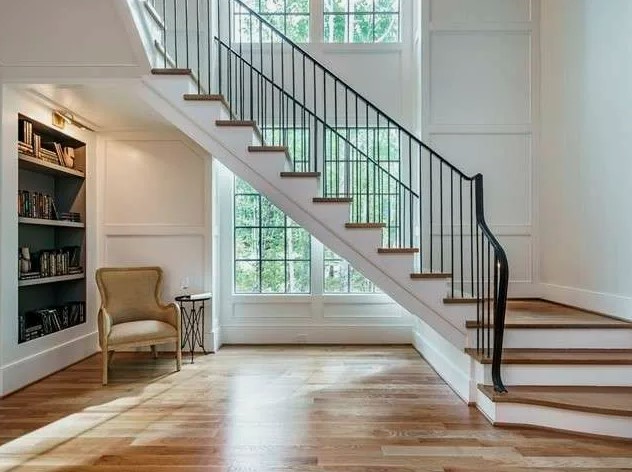

Interior railings are more than just a safety feature—they are a defining architectural element that can transform the appearance and functionality of a home. Whether installed along staircases, balconies, lofts, or elevated walkways, interior railings contribute significantly to both aesthetics and security. As modern homeowners seek to create stylish and practical living spaces, the demand for innovative railing designs continues to grow.
We’ll explore the importance of interior railings, popular material options, design trends, and tips for choosing the perfect railing system for your home.
Why Interior Railings Matter
The primary purpose of interior railings is to provide safety by preventing falls and offering support while moving between different levels of a home. However, their role extends far beyond functionality.
Interior railings help define spaces, enhance architectural features, and create visual continuity throughout a property. A thoughtfully designed railing system can become a focal point that complements the overall interior design, whether your style is modern, traditional, industrial, or minimalist.
Additionally, quality interior railings can increase property value by improving both the appearance and safety standards of a home.
Popular Materials for Interior Railings
Choosing the right material is one of the most important decisions when selecting interior railings. Each material offers unique advantages in terms of durability, maintenance, and appearance.
1. Wood Railings
Wood remains one of the most popular choices for interior railings due to its timeless appeal and versatility. Available in various species such as oak, maple, cherry, and walnut, wood railings can be stained or painted to match any décor style.
Benefits include:
- Warm and natural appearance
- Easy customization
- Suitable for traditional and contemporary designs
- Long-lasting with proper maintenance
2. Metal Railings
Metal interior railings provide strength and sophistication. Materials like steel, wrought iron, and aluminum are widely used in residential and commercial properties.
Advantages include:
- Exceptional durability
- Low maintenance requirements
- Modern and industrial aesthetic
- Wide range of design possibilities
Metal railings often feature decorative patterns or sleek horizontal lines for a contemporary look.
3. Glass Railings
Glass interior railings have become increasingly popular in modern homes because they create an open and spacious feel. Tempered glass panels provide safety while allowing natural light to flow freely throughout the space.
Key benefits include:
- Unobstructed views
- Elegant and modern appearance
- Enhanced light distribution
- Easy integration with various design styles
Glass railings are especially effective in smaller homes where maximizing visual space is a priority.
4. Cable Railings
Cable railings combine metal posts with horizontal stainless-steel cables to create a clean and minimalist design. They are ideal for homeowners seeking a contemporary aesthetic.
Benefits include:
- Minimal visual obstruction
- Modern appearance
- Strong and durable construction
- Suitable for both residential and commercial settings
Trending Interior Railing Designs
As interior design trends evolve, homeowners are embracing creative railing solutions that blend style and practicality.
Minimalist Designs
Simple lines, clean finishes, and uncluttered structures dominate modern interior railing trends. Minimalist railings complement open-concept floor plans and contemporary architecture.
Mixed Materials
Combining materials such as wood and metal or glass and steel creates visual interest and adds a unique touch to interior spaces. Mixed-material railings offer flexibility and allow homeowners to personalize their design.
Floating Stair Railings
Floating staircases paired with sleek railings create a dramatic visual effect. This trend is particularly popular in luxury homes and modern renovations.
Black Metal Railings
Matte black finishes have become a favorite among designers. Black metal railings provide a bold contrast against light-colored walls and flooring while maintaining a sophisticated appearance.
How to Choose the Right Interior Railings
Selecting the perfect interior railings requires careful consideration of several factors.
Consider Your Interior Style
Your railing design should complement the overall theme of your home. Traditional homes often benefit from wood or decorative wrought iron railings, while modern interiors may look best with glass or cable systems.
Prioritize Safety
Safety should always be the top priority. Ensure that your railing system complies with local building codes and provides adequate support for all household members.
Evaluate Maintenance Needs
Different materials require varying levels of maintenance. Wood may need periodic refinishing, while metal and glass options generally require less upkeep.
Set a Budget
Wood Framing Contractor are available at a wide range of price points. Establishing a budget early in the process can help narrow down material and design choices.
Think About Longevity
Investing in high-quality materials and professional installation can ensure that your railings remain attractive and functional for many years.
Benefits of Upgrading Interior Railings
Replacing outdated railings can significantly improve both the appearance and value of your home.
Some key benefits include:
- Enhanced safety and stability
- Improved interior aesthetics
- Increased natural light flow
- Higher property value
- Greater design flexibility
- Modernized living spaces
An updated railing system can instantly refresh an interior without requiring a complete renovation.
Frequently Asked Questions (FAQs)
1. What are the best materials for interior railings?
The best materials depend on your design preferences and budget. Popular choices include wood, metal, glass, and cable systems, each offering unique benefits.
2. Are glass interior railings safe?
Yes. Modern glass railings use tempered or laminated safety glass designed to withstand impact and meet building code requirements.
3. How much do interior railings cost?
Costs vary depending on material, design complexity, and installation requirements. Wood railings are often more affordable, while glass systems typically cost more.
4. Do interior railings increase home value?
Yes. Well-designed interior railings can improve aesthetics, enhance safety, and contribute positively to a home’s resale value.
5. Which railing style is best for modern homes?
Glass, cable, and minimalist metal railings are among the most popular choices for contemporary and modern interior designs.
6. How often should interior railings be maintained?
Maintenance depends on the material. Wood may require refinishing every few years, while metal and glass railings generally need routine cleaning and occasional inspections.
Conclusion
Interior railings play a vital role in creating safe, attractive, and functional living spaces. With numerous material options and design styles available, homeowners can choose railings that perfectly align with their aesthetic preferences and practical needs. Whether you prefer the warmth of wood, the elegance of glass, or the durability of metal, the right interior railing system can elevate your home’s overall design while providing long-term safety and value. By carefully considering materials, style, maintenance requirements, and safety standards, you can invest in interior railings that enhance your home for years to come.