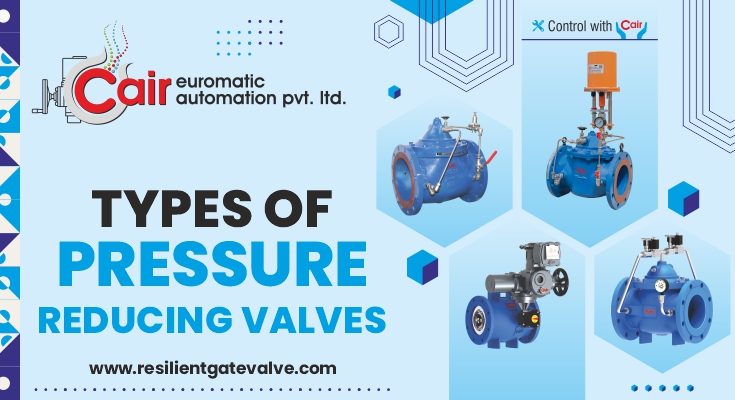

Industrial pipelines often operate under high pressure, which can damage pipes, valves, pumps, and equipment if not properly controlled. A Pressure Reducing Valve (PRV) is an essential component used to maintain stable downstream pressure and protect the entire pipeline system. Proper installation of a PRV ensures reliable performance, efficient flow control, and long service life of the equipment.
This guide explains the installation process, benefits, key considerations, and best practices for installing a Pressure Reducing Valve in industrial pipelines.
What is a Pressure Reducing Valve (PRV)?
A Pressure Reducing Valve (PRV) is a mechanical valve designed to automatically reduce high inlet pressure to a lower and stable outlet pressure. It helps regulate the pressure within a pipeline system, preventing damage caused by excessive pressure.
PRVs are commonly used in:
-
Industrial processing plants
-
Municipal water supply systems
-
Irrigation networks
-
Fire protection systems
-
Water treatment plants
-
Commercial building water systems
By maintaining a controlled pressure level, PRVs ensure smooth operation of pipelines and connected equipment.
Why Proper PRV Installation is Important
Correct installation of a pressure reducing valve is critical for system safety and performance.
1. Protects Pipeline Infrastructure
Excess pressure can cause pipeline failures, leaks, and pipe bursts. A PRV protects the system by maintaining safe pressure levels.
2. Improves Equipment Efficiency
Stable pressure improves the efficiency of pumps, valves, and industrial machinery.
3. Reduces Maintenance Costs
Pressure fluctuations can damage pipeline components. Installing a PRV reduces repair and maintenance expenses.
4. Enhances System Safety
Pressure control prevents accidents and ensures safe operation in industrial environments.
Key Components Required for PRV Installation
A complete PRV installation typically includes several components to ensure proper performance.
-
Pressure Reducing Valve
-
Isolation Valves (upstream and downstream)
-
Strainer or Filter
-
Pressure Gauges
-
Bypass Line (optional for maintenance)
-
Pipe fittings and connectors
These components help maintain proper pressure control and allow easy maintenance.
Step-by-Step Installation Process of a PRV
Installing a Pressure Reducing Valve requires careful planning and proper procedures.
Step 1: System Inspection
Before installation, inspect the pipeline system to determine:
-
Inlet pressure levels
-
Required outlet pressure
-
Suitable valve size
-
Proper installation location
Accurate system evaluation ensures correct valve selection.
Step 2: Shut Down the Pipeline
Stop the water or fluid supply and release any existing pressure in the pipeline before beginning installation.
This step is important for safety and proper installation.
Step 3: Install Isolation Valves
Install isolation valves on both sides of the PRV. These valves allow maintenance or replacement without shutting down the entire pipeline system.
Step 4: Install a Strainer Before the PRV
A strainer or filter should be installed upstream of the PRV to prevent debris, dirt, or particles from entering the valve.
Debris can damage internal components and reduce valve performance.
Step 5: Install the Pressure Reducing Valve
Mount the PRV in the pipeline according to the flow direction arrow marked on the valve body.
Important installation points:
-
Install the valve in a horizontal pipeline when possible
-
Ensure sufficient space for maintenance
-
Use proper sealing and fittings
Step 6: Install Pressure Gauges
Install pressure gauges both upstream and downstream of the valve.
This helps monitor:
-
Inlet pressure
-
Outlet pressure
-
Valve performance
Pressure gauges are essential for adjusting and maintaining the system.
Step 7: Adjust the Pressure Setting
After installation, adjust the pressure control screw on the valve to achieve the desired outlet pressure.
Gradually increase the pressure while monitoring the downstream gauge.
Step 8: Test the System
Once installation is complete:
-
Slowly open the upstream isolation valve
-
Allow fluid flow through the system
-
Monitor pressure readings
-
Check for leaks
Testing ensures the valve is working correctly and maintaining the required pressure.
Best Installation Location for a PRV
The location of the PRV in a pipeline system affects its performance.
PRVs should be installed:
-
Near the main supply line
-
Before sensitive equipment
-
After filtration systems
-
In an easily accessible location for maintenance
Avoid installing PRVs in areas exposed to excessive vibration, debris accumulation, or difficult access.
Common PRV Installation Mistakes to Avoid
Improper installation can reduce valve efficiency and cause system issues.
Incorrect Flow Direction
Always install the valve in the direction of flow indicated on the valve body.
No Strainer Installation
Skipping a strainer can allow debris to damage internal valve components.
Improper Valve Sizing
Selecting the wrong valve size can result in poor pressure control.
Poor Pipeline Support
Heavy valves must be properly supported to prevent pipeline stress.
Incorrect Pressure Adjustment
Improper pressure settings can lead to unstable system pressure.
Factors Affecting PRV Performance
Several factors influence the performance of a pressure reducing valve.
Inlet Pressure
High inlet pressure requires stronger valve construction and proper adjustment.
Flow Rate
The valve must be sized correctly to handle the required flow capacity.
Fluid Type
Different fluids may require specialized valve materials and seals.
Temperature Conditions
Industrial pipelines may operate at high or low temperatures, requiring suitable materials.
Applications of Pressure Reducing Valves
PRVs are widely used across different industries.
Municipal Water Distribution
PRVs maintain stable pressure in city water supply networks.
Industrial Processing Plants
Manufacturing facilities use PRVs to regulate pressure in processing systems.
Irrigation Systems
Agricultural irrigation systems rely on PRVs to maintain consistent water flow.
Water Treatment Plants
PRVs regulate pressure during filtration and treatment processes.
Fire Protection Systems
PRVs ensure correct pressure levels in fire sprinkler systems.
Maintenance Tips for Pressure Reducing Valves
Regular maintenance helps ensure long-term performance.
Periodic Inspection
Inspect valves for leaks, corrosion, or abnormal pressure readings.
Clean Strainers
Clean upstream strainers to prevent debris accumulation.
Monitor Pressure Levels
Regularly check pressure gauges to confirm proper valve operation.
Replace Worn Parts
Seals and internal components should be replaced if wear is detected.
Choosing a Reliable PRV Manufacturer
Selecting the right manufacturer ensures valve reliability and long service life.
Consider the following when choosing a PRV supplier:
-
Manufacturing experience
-
Product quality standards
-
Material specifications
-
Customization capabilities
-
Technical support services
Reliable manufacturers design valves that meet industry standards and provide consistent performance.
Industrial Valve Solutions by Cair Euromatic Automation
Cair Euromatic Automation is a trusted manufacturer of industrial valves and flow control solutions in India. The company provides high-quality valves designed for water supply systems, industrial pipelines, and infrastructure projects.
Their products are engineered for:
-
Reliable pressure control
-
Durable construction
-
Long service life
-
Efficient flow management
Cair Euromatic Automation also manufactures automated valves and electric actuators to support modern industrial automation systems.
Future Trends in Pressure Control Technology
Modern industrial systems are increasingly integrating automated pressure control systems.
Technologies such as:
-
Smart electric actuators
-
Remote monitoring systems
-
SCADA integration
-
IoT-based pressure monitoring
are improving pipeline efficiency and operational safety.
Advanced PRV systems help industries achieve better pressure control while reducing operational costs.
Conclusion
Installing a types of pressure reducing valve in industrial pipelines is essential for maintaining safe and stable pressure levels. Proper installation ensures efficient operation, protects pipeline infrastructure, and reduces maintenance costs.
By following correct installation procedures, selecting the right valve size, and performing regular maintenance, industries can ensure reliable pressure control and long-term system performance.
Pressure reducing valves remain a critical component in modern industrial pipeline systems, helping maintain safety, efficiency, and operational reliability.
1. What is a Pressure Reducing Valve (PRV)?
A Pressure Reducing Valve (PRV) is a device used to lower high inlet pressure in a pipeline to a stable and controlled outlet pressure. It helps protect pipes, valves, and equipment from damage caused by excessive pressure.
2. Where should a PRV be installed in an industrial pipeline?
A PRV should usually be installed after the main supply line and before sensitive equipment. It is recommended to place it in an accessible location for easy maintenance and monitoring.
3. Why is a strainer installed before a pressure reducing valve?
A strainer or filter is installed before the PRV to prevent debris, dirt, or particles from entering the valve. This helps protect the internal components and ensures smooth valve operation.
4. Can a pressure reducing valve be installed vertically?
Yes, some PRVs can be installed vertically, but horizontal installation is generally preferred because it allows better performance and easier maintenance.
5. How do you adjust a pressure reducing valve after installation?
The outlet pressure can be adjusted by turning the adjustment screw or bolt on the valve. Turning it clockwise usually increases the downstream pressure, while turning it counterclockwise decreases it.
6. What components are required for proper PRV installation?
A complete PRV installation typically includes:
-
Isolation valves
-
Strainer or filter
-
Pressure gauges
-
Bypass line (optional)
-
Pipe fittings and connectors
These components ensure efficient pressure control and easier maintenance.
7. What are the common mistakes when installing a PRV?
Common installation mistakes include:
-
Installing the valve in the wrong flow direction
-
Not installing a strainer before the valve
-
Choosing the wrong valve size
-
Incorrect pressure adjustment
-
Poor pipeline support
Avoiding these mistakes improves system performance.
8. How often should a pressure reducing valve be maintained?
PRVs should be inspected periodically depending on the system conditions. Regular checks for leaks, pressure fluctuations, and debris buildup help ensure reliable performance and long service life.