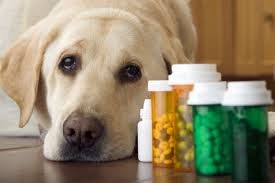

Keeping your dog healthy is a top priority for every pet parent. Dogs, like humans, are susceptible to infections caused by bacteria, viruses, fungi, or parasites. When infections occur, timely treatment is crucial to prevent complications and ensure a full recovery. Infection medicine for dogs plays an important role in treating these conditions, but understanding the types of medications, proper usage, and potential side effects is essential.
This guide will provide pet owners with a comprehensive overview of infection medicine for dogs, including how to identify infections, types of medicines, safe administration, and tips for maintaining your dog’s overall health.
Understanding Infections in Dogs
An infection occurs when harmful microorganisms invade the body, multiply, and cause illness. Dogs can develop infections in various parts of their bodies, including the skin, ears, urinary tract, respiratory system, and digestive system. Common symptoms of infection include:
-
Fever or lethargy
-
Loss of appetite
-
Vomiting or diarrhea
-
Redness, swelling, or discharge from wounds or skin
-
Excessive scratching or licking
-
Bad odor from ears or skin
Identifying infections early allows pet parents to seek appropriate treatment, which often involves infection medicine for dogs prescribed by a veterinarian.
Common Types of Infection Medicine for Dogs
1. Antibiotics
Antibiotics are the most commonly prescribed infection medicine for dogs and are used to treat bacterial infections. Examples include:
-
Penicillins (Amoxicillin, Ampicillin): Used for skin, respiratory, and urinary infections.
-
Cephalosporins (Cephalexin, Cefpodoxime): Treat skin infections, post-surgical wounds, and urinary tract infections.
-
Macrolides (Clindamycin, Azithromycin): Used for abscesses, dental infections, and bone infections.
It’s important to note that antibiotics do not treat viral infections, such as kennel cough or parvovirus. Misuse can lead to antibiotic resistance, making infections harder to treat.
2. Antifungal Medications
Fungal infections like ringworm or yeast infections require antifungal treatments. Common infection medicine for dogs in this category includes:
-
Itraconazole or Fluconazole: Oral antifungal medications for systemic infections.
-
Topical antifungal creams or shampoos: Used for skin infections caused by fungi.
Fungal infections can persist for weeks if untreated, so completing the full course of medication is critical.
3. Antiviral Medications
Although less common in dogs than in humans, antiviral medications may be prescribed for certain viral infections, such as canine herpesvirus or parvovirus (as supportive care). Veterinarians may also recommend vaccines to prevent viral infections.
4. Supportive Medications
In addition to primary infection medicine, veterinarians may prescribe supportive medications to manage symptoms:
-
Anti-inflammatory drugs: Reduce pain, swelling, and discomfort.
-
Probiotics: Help restore gut health, especially if the dog is on antibiotics.
-
Pain relievers or fever reducers: For symptomatic relief during severe infections.
How to Safely Administer Infection Medicine to Dogs
Using infection medicine for dogs safely is vital to ensure effectiveness and prevent complications:
-
Follow the Veterinarian’s Instructions: Only administer medications prescribed by a vet, including dosage, frequency, and duration.
-
Complete the Full Course: Even if your dog appears healthy before the course ends, stopping medication early can cause relapse and drug resistance.
-
Monitor for Side Effects: Watch for vomiting, diarrhea, lethargy, allergic reactions, or other unusual behaviors. Report them to your vet immediately.
-
Avoid Human Medications: Never give dogs medications meant for humans, as they can be toxic or improperly dosed.
-
Proper Storage: Keep medications in a cool, dry place and out of reach of pets and children.
Potential Side Effects of Infection Medicine
While most medications are safe when used as directed, some dogs may experience side effects from infection medicine for dogs, including:
-
Gastrointestinal upset (vomiting, diarrhea, loss of appetite)
-
Allergic reactions (hives, swelling, difficulty breathing)
-
Secondary infections (yeast overgrowth in the mouth, skin, or digestive system)
If your dog experiences severe or unusual symptoms, contact your veterinarian immediately.
Preventing Infections in Dogs
Prevention is always better than treatment. Pet parents can reduce the risk of infections in dogs by following these tips:
-
Keep your dog’s vaccinations up to date.
-
Maintain good hygiene, including regular grooming and cleaning of ears, teeth, and paws.
-
Provide a balanced diet to support a strong immune system.
-
Keep your dog’s living area clean and free from contaminated food or water.
-
Avoid contact with infected animals whenever possible.
By taking preventive measures, you can reduce the need for infection medicine for dogs and keep your dog healthier in the long term.
When to Consult a Veterinarian
You should contact a veterinarian immediately if your dog shows signs of infection or illness, such as:
-
Persistent fever or lethargy
-
Swelling, redness, or discharge from wounds
-
Vomiting, diarrhea, or loss of appetite
-
Difficulty breathing or coughing
-
Excessive scratching, licking, or unusual behavior
A prompt veterinary evaluation ensures that your dog receives the appropriate infection medicine, dosage, and supportive care for a full recovery.
Final Thoughts
Infection medicine for dogs is a critical component of responsible pet care. Understanding the types of medications, their uses, and safe administration practices helps pet parents manage infections effectively. Always consult a veterinarian before giving any medication, complete the full course, and monitor your dog for side effects.