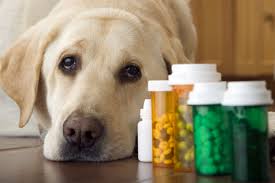

Dogs, like humans, are susceptible to various infections caused by bacteria, viruses, fungi, and parasites. When your pet falls ill, understanding the types of infection medicine for dogs and how they work is crucial for ensuring proper treatment and recovery. From antibiotics to antivirals and supportive care, each type of medication plays a specific role in treating infections and keeping your dog healthy.
This article explains the different infection medicines for dogs, when they are necessary, and how pet owners can use them safely.
Understanding Infection Medicine for Dogs
Infection medicines are drugs designed to treat or prevent infections in dogs. They target the microorganisms causing illness and help the dog’s immune system fight off disease. Common types include:
-
Antibiotics – fight bacterial infections
-
Antivirals – target viral infections
-
Antifungals – treat fungal infections
-
Supportive medications – assist recovery and reduce symptoms
Knowing which type of medicine to use depends on the infection’s cause, severity, and your dog’s overall health. Misuse of these medicines can lead to ineffective treatment, side effects, or antibiotic resistance.
Antibiotics for Dogs
Antibiotics are the most commonly prescribed infection medicines for dogs. They are used to treat bacterial infections, which can affect the skin, ears, urinary tract, respiratory system, and other parts of the body.
Common Bacterial Infections in Dogs
-
Skin infections: Often caused by wounds, allergies, or parasites
-
Ear infections: Particularly in floppy-eared breeds or dogs prone to allergies
-
Urinary tract infections (UTIs): Common in female dogs or older dogs
-
Respiratory infections: Such as bacterial bronchitis or pneumonia
-
Dental infections: Tooth abscesses or gum disease
Administering Antibiotics
Pet owners must follow the veterinarian’s instructions carefully. Dosage, frequency, and the full course of antibiotics must be adhered to, even if the dog appears healthy before finishing the medication. Stopping antibiotics early can allow bacteria to survive and become resistant, making future infections harder to treat.
Antivirals for Dogs
Viruses do not respond to antibiotics. Antivirals are used to combat viral infections in dogs, though their use is less common than antibiotics. Some viral infections can be managed with supportive care, vaccination, and antiviral medications when available.
Common Viral Infections
-
Canine parvovirus: A life-threatening disease in puppies and unvaccinated dogs
-
Canine distemper virus: Affects multiple organs, including the respiratory and nervous systems
-
Canine influenza: Causes respiratory illness and fever
Veterinarians may prescribe antivirals or supportive medications, including fluids, anti-nausea drugs, and immune-boosting therapies, depending on the severity of the infection.
Antifungals for Dogs
Fungal infections, though less common, can occur in dogs. Antifungal infection medicine for dogs treats conditions such as ringworm, yeast infections, and systemic fungal infections.
Symptoms of Fungal Infections
-
Itching and skin irritation
-
Hair loss
-
Red, inflamed patches on the skin
-
Respiratory issues in systemic infections
Treatment may include oral antifungal medications, topical creams, or medicated shampoos, depending on the infection type and location.
Supportive Care for Dogs with Infections
In addition to targeted medications, supportive care is often necessary to help dogs recover from infections. This includes:
-
Fluid therapy: Prevents dehydration during illness
-
Pain management: Relieves discomfort from infections or inflammation
-
Probiotics and digestive support: Maintains gut health, especially during antibiotic therapy
-
Rest and nutrition: Essential for recovery and immune system support
Supportive care enhances the effectiveness of infection medicine and helps your dog regain strength faster.
When to Seek Veterinary Care
Recognizing when your dog needs infection medicine is crucial. Contact your veterinarian if you notice any of the following symptoms:
-
Persistent fever
-
Lethargy or sudden weakness
-
Vomiting or diarrhea
-
Coughing, sneezing, or nasal discharge
-
Unusual swelling or pus-filled wounds
-
Loss of appetite
Early intervention can prevent mild infections from becoming severe and reduce the risk of complications.
Safe Use of Infection Medicine
-
Follow prescriptions carefully: Do not alter dosage or stop early.
-
Avoid self-medicating: Never give human medications to dogs unless instructed by a veterinarian.
-
Monitor for side effects: Watch for vomiting, diarrhea, rashes, or behavioral changes and report them immediately.
-
Prevent recurrence: Maintain hygiene, vaccination schedules, and proper nutrition to reduce infection risk.
-
Regular check-ups: Routine veterinary visits help detect infections early and maintain overall health.
Conclusion
Infection medicine for dogs, including antibiotics, antivirals, antifungals, and supportive care, plays a vital role in keeping your pet healthy. Each type of medication targets specific infections and must be used responsibly under veterinary supervision.
By understanding when and how to use these medicines, pet owners can ensure their dogs receive effective treatment while minimizing risks such as side effects or drug resistance. Early detection, proper care, and following veterinary guidance are essential to helping your dog recover quickly and safely from infections.
When it comes to infections in dogs, timely intervention with the right infection medicine can make all the difference in maintaining your pet’s health and happiness.