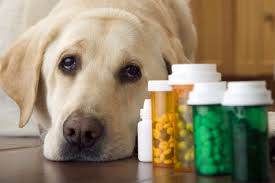

Infections are a common health concern in dogs and can affect everything from the skin and ears to the digestive and respiratory systems. When left untreated, infections may worsen and lead to serious complications. Infection medicine for dogs plays a crucial role in treating these conditions and restoring your pet’s health. As a responsible pet owner, understanding the types of infections, available treatments, and proper medication use can help ensure safe and effective recovery.
What Is Infection Medicine for Dogs?
Infection medicine for dogs refers to veterinary-prescribed medications used to treat infections caused by bacteria, fungi, parasites, or other microorganisms. The most commonly used infection medicines include antibiotics, antifungals, antiparasitic drugs, and supportive medications such as anti-inflammatories.
It’s important to remember that not all infections require the same treatment. A veterinarian must first diagnose the cause of the infection before prescribing the appropriate medicine.
Common Types of Infections in Dogs
Dogs can develop infections for many reasons, including injuries, allergies, weakened immunity, or exposure to harmful bacteria and parasites. Some of the most common infections in dogs include:
-
Skin infections (hot spots, abscesses, dermatitis)
-
Ear infections caused by bacteria or yeast
-
Urinary tract infections (UTIs)
-
Respiratory infections such as bronchitis or pneumonia
-
Gastrointestinal infections
-
Dental and gum infections
-
Eye infections
Recognizing symptoms early can lead to quicker treatment and better outcomes.
Types of Infection Medicine for Dogs
There are several categories of infection medicine for dogs, each designed to target specific types of infections:
1. Antibiotics
Antibiotics are used to treat bacterial infections. Commonly prescribed antibiotics for dogs include amoxicillin, cephalexin, doxycycline, clindamycin, and metronidazole. These medicines work by killing bacteria or stopping their growth.
2. Antifungal Medications
Fungal infections, such as yeast infections or ringworm, require antifungal medicines. These may be administered orally or applied topically, depending on the severity of the infection.
3. Antiparasitic Medications
Some infections are caused by parasites like ticks, mites, or intestinal worms. Antiparasitic medicines help eliminate these organisms and prevent further infection.
4. Supportive Medications
In some cases, veterinarians may prescribe anti-inflammatory drugs, pain relievers, or probiotics alongside infection medicine to support healing and reduce discomfort.
How Veterinarians Choose the Right Medicine
Choosing the right infection medicine for dogs depends on several factors, including:
-
Type and location of the infection
-
Severity and duration of symptoms
-
Dog’s age, weight, and breed
-
Medical history and existing health conditions
In certain cases, laboratory tests such as cultures or blood work may be required to identify the exact cause of the infection and determine the most effective medication.
Proper Use of Infection Medicine
Using infection medicine correctly is essential for your dog’s recovery. Pet owners should follow these important guidelines:
-
Never self-medicate your dog using human medicines or leftover prescriptions
-
Follow the prescribed dosage and schedule exactly as instructed
-
Complete the full course of medication, even if symptoms improve
-
Administer medicine correctly, whether with food or on an empty stomach
Improper use can lead to treatment failure, recurring infections, or antibiotic resistance.
Possible Side Effects and Risks
While infection medicine for dogs is generally safe when prescribed by a veterinarian, side effects can occur. Common side effects include:
-
Vomiting or diarrhea
-
Loss of appetite
-
Lethargy
-
Allergic reactions such as itching or swelling
If your dog experiences severe or unusual symptoms, contact your veterinarian immediately.
Preventing Infections in Dogs
Prevention is always better than treatment. Simple steps can reduce the risk of infections in dogs:
-
Maintain regular grooming and hygiene
-
Clean ears and teeth as recommended
-
Provide a balanced and nutritious diet
-
Keep vaccinations up to date
-
Protect against fleas, ticks, and worms
-
Treat minor wounds promptly
Routine veterinary checkups also help detect infections early.
Supporting Recovery During Treatment
Along with medication, supportive care plays a vital role in recovery. Ensure your dog gets plenty of rest, stays hydrated, and eats well. In some cases, veterinarians may recommend probiotics to support gut health during antibiotic treatment.
Limiting physical activity and preventing licking or scratching infected areas can also speed up healing.
When to Seek Veterinary Help
If your dog shows signs such as fever, swelling, discharge, persistent itching, pain, or sudden behavior changes, seek veterinary care promptly. Early diagnosis and proper treatment reduce the risk of complications and long-term health issues.
Final Thoughts
Infection medicine for dogs is essential for treating a wide range of health conditions, from minor skin issues to serious internal infections. Understanding how these medicines work and using them responsibly ensures your dog receives safe and effective care. Always consult a veterinarian for diagnosis and treatment, and never compromise on proper medication use.