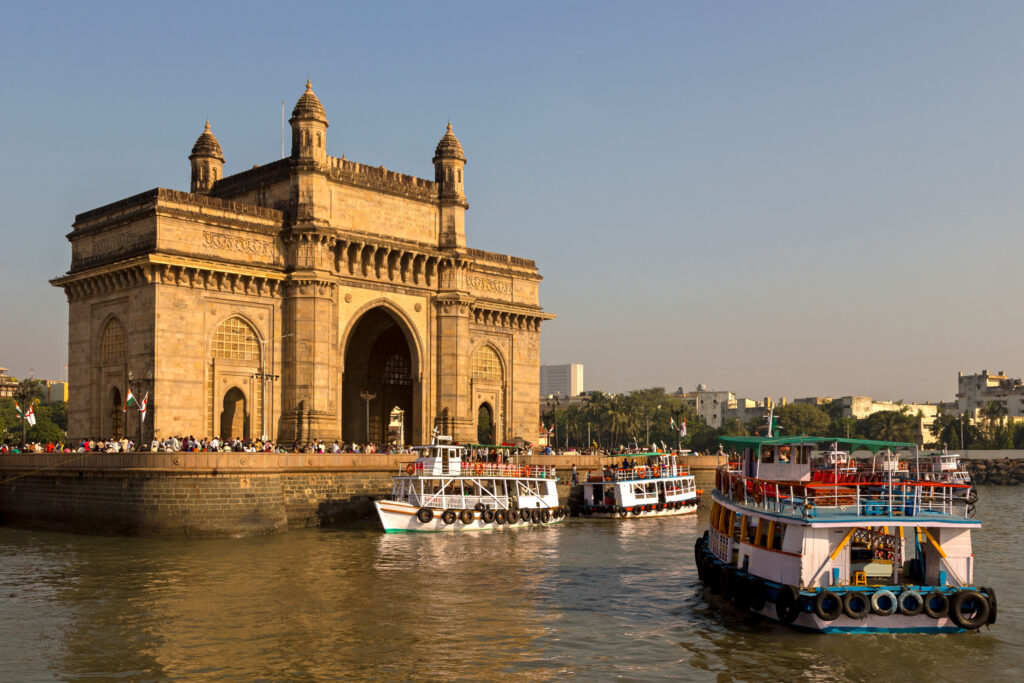

India is a land of contrasts, where ancient traditions coexist with modern innovations. India tourism is celebrated worldwide for its diversity, offering travelers a kaleidoscope of experiences ranging from majestic palaces and spiritual centers to pristine beaches and Himalayan adventures. With its rich cultural heritage, natural wonders, and vibrant festivals, India has become one of the most sought‑after destinations for global travelers.
Why India Tourism is Unique
- Cultural Diversity: Over 2,000 ethnic groups and hundreds of languages.
- Historical Legacy: Home to UNESCO World Heritage Sites like the Taj Mahal and Ajanta Caves.
- Natural Beauty: From the Himalayas to the Indian Ocean.
- Spiritual Experiences: Yoga, Ayurveda, and pilgrimage centers.
- Festivals: Diwali, Holi, Durga Puja, and countless regional celebrations.
Major Tourism Circuits in India
Golden Triangle
- Covers Delhi, Agra, and Jaipur.
- Highlights: Taj Mahal, Amber Fort, Red Fort, and Hawa Mahal.
- Perfect for first‑time visitors seeking history and architecture.
Himalayan Circuit
- Includes Himachal Pradesh, Uttarakhand, and Jammu & Kashmir.
- Attractions: Shimla, Manali, Leh‑Ladakh, Rishikesh, and Nainital.
- Popular for trekking, skiing, and spiritual retreats.
Coastal Circuit
- Goa, Kerala, and Andaman Islands.
- Famous for beaches, backwaters, and water sports.
- Ideal for relaxation and adventure.
Spiritual Circuit
- Varanasi, Bodh Gaya, Amritsar, and Tirupati.
- Centers of Hinduism, Buddhism, Sikhism, and Christianity.
- Offers deep cultural and religious immersion.
Wildlife Circuit
- Ranthambore, Gir, Kaziranga, and Periyar.
- Home to tigers, lions, elephants, and rhinos.
- Perfect for eco‑tourism and photography.
Top Tourist Destinations in India
Delhi
- Capital city blending Mughal heritage with modernity.
- Attractions: Red Fort, Qutub Minar, India Gate, Lotus Temple.
- Bustling markets like Chandni Chowk and Connaught Place.
Agra
- Home to the Taj Mahal, a UNESCO World Heritage Site.
- Other attractions: Agra Fort, Fatehpur Sikri, Mehtab Bagh.
Jaipur
- Known as the Pink City.
- Attractions: Amber Fort, City Palace, Hawa Mahal, Jantar Mantar.
- Famous for handicrafts and jewelry.
Kerala
- Known as “God’s Own Country.”
- Attractions: Backwaters of Alleppey, Munnar tea plantations, Kovalam beaches.
- Ayurveda and wellness tourism.
Goa
- Famous for beaches, nightlife, and Portuguese heritage.
- Attractions: Calangute Beach, Basilica of Bom Jesus, Dudhsagar Waterfalls.
Varanasi
- Spiritual capital of India.
- Attractions: Ganga Ghats, Kashi Vishwanath Temple, Sarnath.
- Famous for evening Ganga Aarti.
Ladakh
- Known for rugged landscapes and Buddhist monasteries.
- Attractions: Pangong Lake, Nubra Valley, Hemis Monastery.
- Popular for adventure tourism.
Rajasthan
- Land of forts and palaces.
- Attractions: Udaipur’s City Palace, Jodhpur’s Mehrangarh Fort, Jaisalmer Fort.
- Desert safaris and cultural festivals.
Himachal Pradesh
- Hill stations like Shimla, Manali, Dharamshala.
- Attractions: Rohtang Pass, Dalai Lama Temple, Kufri.
- Adventure sports and trekking.
Tamil Nadu
- Known for Dravidian temples and cultural heritage.
- Attractions: Meenakshi Temple, Mahabalipuram, Marina Beach.
Types of Tourism in India
Cultural Tourism
- Focuses on heritage sites, festivals, and traditions.
- Examples: Khajuraho temples, Ajanta‑Ellora caves, Mysore Palace.
Adventure Tourism
- Trekking, skiing, river rafting, paragliding.
- Destinations: Rishikesh, Ladakh, Himachal Pradesh.
Eco‑Tourism
- Promotes sustainable travel in natural settings.
- Destinations: Kerala backwaters, Sikkim, Andaman Islands.
Medical and Wellness Tourism
- Ayurveda, yoga, and modern healthcare.
- Centers: Kerala, Rishikesh, Bengaluru.
Spiritual Tourism
- Pilgrimage sites across religions.
- Examples: Varanasi, Amritsar, Bodh Gaya, Ajmer.
Festivals and Events
- Diwali: Festival of lights celebrated nationwide.
- Holi: Festival of colors, especially vibrant in Mathura and Vrindavan.
- Durga Puja: Celebrated grandly in West Bengal.
- Pushkar Camel Fair: Unique cultural event in Rajasthan.
- Kumbh Mela: Largest religious gathering in the world.
India’s UNESCO World Heritage Sites
- Taj Mahal (Agra).
- Qutub Minar (Delhi).
- Sun Temple (Konark).
- Ajanta and Ellora Caves (Maharashtra).
- Kaziranga National Park (Assam).
- Red Fort Complex (Delhi).
- Mahabalipuram Monuments (Tamil Nadu).
Best Time to Visit India
- Winter (October–March): Pleasant weather, ideal for sightseeing.
- Summer (April–June): Hill stations and Himalayan treks.
- Monsoon (July–September): Lush greenery, perfect for Kerala and Goa.
Travel Tips
- Carry seasonal clothing depending on region.
- Book accommodations and tours in advance.
- Respect local customs and traditions.
- Stay hydrated and cautious about street food.
- Use authorized guides and transport services.
Benefits of India Tourism
- Cultural Immersion: Learn traditions and history.
- Adventure: Trekking, rafting, and safaris.
- Spiritual Growth: Yoga, meditation, and pilgrimages.
- Economic Impact: Supports local communities and crafts.
- Memorable Experiences: From palaces to beaches, temples to mountains.
Challenges and Opportunities
- Challenges: Overcrowding at popular sites, infrastructure gaps, environmental concerns.
- Opportunities: Promoting lesser‑known destinations, eco‑tourism, and digital booking platforms.
Conclusion
India is not just a destination—it is a journey through time, culture, and nature. From the Taj Mahal’s grandeur to Kerala’s backwaters, from Ladakh’s rugged landscapes to Varanasi’s spiritual ghats, India tourism offers a kaleidoscope of experiences. Whether you are a history buff, an adventure seeker, or a spiritual traveler, India promises memories that last a lifetime. Truly, it remains one of the world’s most captivating destinations, blending heritage, diversity, and natural beauty in perfect harmony.