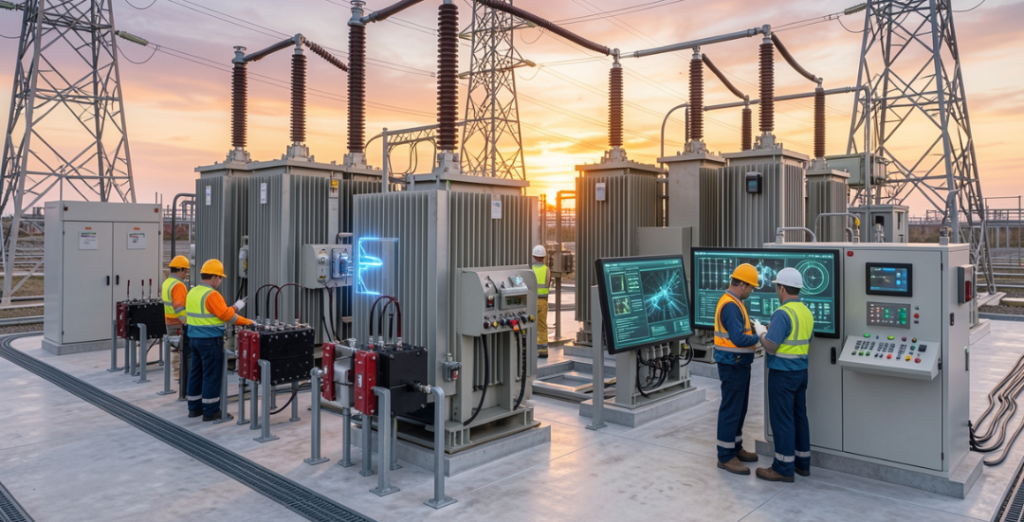

Modern electrical utilities operate in an increasingly complex environment where reliability, efficiency, and safety are critical. With the growing demand for electricity, integration of renewable energy sources, and aging infrastructure, utilities must rely on detailed and accurate evaluation methods to ensure optimal system performance. This is where power systems studies play a vital role.
Electrical power system analysis is not just a technical requirement—it is a strategic necessity that enables utilities to make informed decisions, prevent failures, and maintain a stable grid. In this guide, we explore why every utility must prioritize a comprehensive power system study.
Understanding Electrical Power System Analysis
Electrical power system analysis involves evaluating the behavior and performance of a power network under various operating conditions. It includes studying load flow, short circuit levels, stability, and protection coordination to ensure that the system operates safely and efficiently.
A well-executed analysis provides insights into how electricity flows from generation sources to end users. It helps engineers identify potential weaknesses, optimize system design, and ensure compliance with industry standards.
For utilities, this process is essential in both planning new infrastructure and maintaining existing networks.
Enhancing System Reliability and Stability
Reliability is the backbone of any utility operation. Power outages not only disrupt daily life but also lead to financial losses and reputational damage. Through detailed power systems studies, utilities can identify vulnerabilities that may lead to system failures.
By simulating different scenarios such as peak load conditions or equipment failures, engineers can predict how the system will respond. This allows utilities to take preventive measures before issues occur.
Stability analysis, in particular, ensures that the system can return to normal operation after disturbances like faults or sudden load changes. Without proper analysis, even minor issues can escalate into large-scale blackouts.
Improving Safety for Equipment and Personnel
Safety is a top priority in electrical systems. Faults such as short circuits can generate extremely high currents, posing serious risks to equipment and human life. A comprehensive power system study helps determine fault levels and ensures that protective devices are properly rated and coordinated.
This means circuit breakers, relays, and other protection systems can operate effectively during abnormal conditions. Proper coordination ensures that only the affected portion of the network is isolated, minimizing damage and downtime.
By reducing the risk of equipment failure and hazardous incidents, power system analysis plays a critical role in maintaining a safe working environment.
Supporting Efficient Network Planning and Expansion
As electricity demand continues to grow, utilities must expand their networks to accommodate new loads and generation sources. Without proper planning, this expansion can lead to inefficiencies and overload conditions.
Electrical power system analysis provides the data needed to design and optimize network expansions. Engineers can determine the best locations for substations, transmission lines, and other infrastructure components.
With accurate modeling and simulation, utilities can avoid overinvestment while ensuring sufficient capacity for future demand. This results in cost-effective and efficient system development.
Facilitating Integration of Renewable Energy
The shift toward renewable energy sources such as solar and wind has introduced new challenges for utilities. These sources are often variable and less predictable than traditional generation methods.
Through advanced power systems studies, utilities can analyze how renewable energy impacts grid performance. This includes assessing voltage fluctuations, frequency stability, and power quality.
A well-planned analysis helps utilities integrate renewable energy smoothly without compromising system reliability. It also supports the transition toward a more sustainable energy future.
Ensuring Regulatory Compliance and Standards
Utilities must comply with strict industry standards and regulatory requirements. These regulations are designed to ensure safe and reliable operation of electrical systems.
A detailed power system study helps utilities demonstrate compliance by providing documented evidence of system performance and safety measures. This is particularly important for audits, certifications, and project approvals.
Failure to meet regulatory standards can result in penalties and operational restrictions. Therefore, regular analysis is essential for maintaining compliance and avoiding risks.
Reducing Operational Costs and Downtime
Unexpected failures and inefficiencies can significantly increase operational costs. Power system analysis helps utilities identify areas where improvements can be made to reduce losses and enhance efficiency.
By optimizing load distribution and minimizing energy losses, utilities can lower operating expenses. Additionally, predictive analysis helps prevent costly outages and emergency repairs.
Investing in power systems studies ultimately leads to long-term cost savings and improved service quality for customers.
Conclusion
Electrical power system analysis is a cornerstone of modern utility operations. From improving reliability and safety to enabling efficient planning and renewable integration, its benefits are far-reaching.
In an era where power systems are becoming more complex, utilities cannot afford to operate without detailed analysis. A proactive approach to conducting a power system study ensures that potential issues are identified early and addressed effectively.
For utilities aiming to deliver reliable, safe, and cost-efficient power, investing in comprehensive analysis is not just important—it is essential.