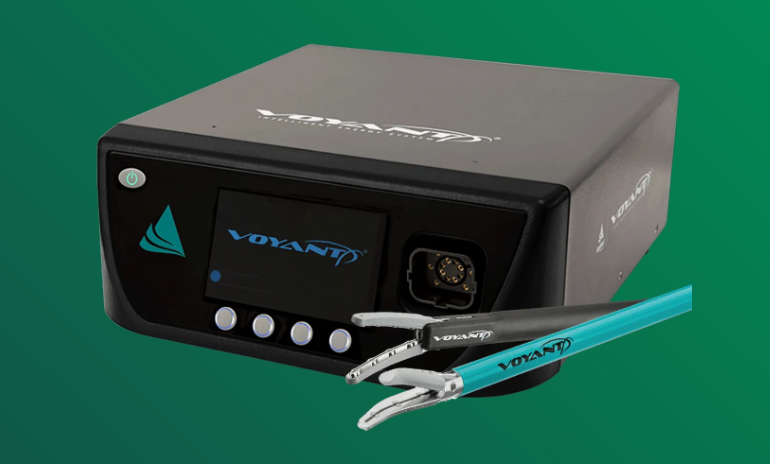

Veterinary surgery requires careful coordination between skilled professionals, reliable tools, and efficient preparation systems. Animals depend entirely on veterinary teams for safe surgical outcomes, making accuracy and cleanliness essential at every stage of a procedure. Modern clinics focus not only on surgical technique but also on how equipment is prepared, sterilized, and made available when needed.
This article explains how veterinarian surgery equipment plays a critical role in improving surgical care by supporting efficiency, safety, and consistency within veterinary practices.
The Connection Between Equipment and Surgical Quality
Surgical quality is closely linked to the condition and readiness of equipment. Veterinary procedures often vary in duration and complexity, which places additional demands on preparation systems. When equipment is clean, sterile, and organized, veterinary teams can work with greater confidence and focus.
In addition to cleanliness, proper calibration of surgical tools and monitoring devices plays a crucial role in achieving consistent results. Regular staff training on equipment handling and updated sterilization guidelines ensures that every team member follows the same high standards. Backup instruments and emergency kits should always be available to address unexpected complications without interrupting the procedure. Detailed checklists before surgery can further reduce human error and confirm that all necessary tools are prepared in advance. By investing time in preparation and equipment management, veterinary clinics not only protect patient health but also strengthen team coordination, reduce stress during operations, and maintain a professional standard of care that builds trust with pet owners.
Well-prepared equipment reduces the risk of contamination and procedural interruptions. This allows veterinary professionals to maintain steady control during surgery, which is especially important when working with animals that may have fragile or compromised health.
Efficient Sterilization as a Foundation of Safe Surgery
Sterilization is one of the most important steps in surgical preparation. Veterinary clinics require methods that ensure thorough cleaning while fitting into busy clinical schedules. Modern sterilization systems are designed to prepare equipment quickly, allowing tools to move from processing to surgical use without unnecessary delays.
Smaller sterilization solutions support single instruments and are ideal for situations where only one piece of equipment is needed. These systems allow rapid preparation, helping clinics respond effectively to urgent or unexpected procedures.
In busy veterinary environments, time-sensitive cases can arise without warning, making immediate access to sterile tools essential. Smaller units reduce the need to wait for full-capacity sterilizers to complete longer cycles, which can delay treatment. They are particularly beneficial during minor surgical procedures, dental treatments, or follow-up interventions where only a limited set of instruments is required. Additionally, these systems help minimize instrument wear by processing fewer items at a time, preserving equipment longevity. Their ease of use allows staff to operate them with minimal disruption to ongoing tasks. By integrating compact sterilization options into daily workflows, clinics can enhance flexibility, maintain consistent infection control standards, and ensure that patient care remains uninterrupted even during peak hours or emergency situations.
Training and Proper Use of Surgical Systems
Advanced equipment delivers reliable results only when used correctly. On-site training ensures that veterinary teams understand how to operate sterilization systems and manage equipment safely. Proper instruction helps staff integrate new systems into daily routines without confusion or disruption.
Training also supports consistent handling of equipment before and after sterilization. This consistency helps maintain performance quality and extends the useful life of tools, contributing to dependable veterinarian surgery equipment over time.
Final Words
High-quality surgical care in veterinary medicine depends on more than technical skill alone. Efficient preparation, reliable sterilization, and well-trained staff work together to create safe surgical environments.
By focusing on readiness and adaptability, veterinary clinics can enhance the quality of care they provide. Effective use of modern preparation systems ensures that surgical teams are equipped to meet daily demands while maintaining safety and precision for every animal patient.