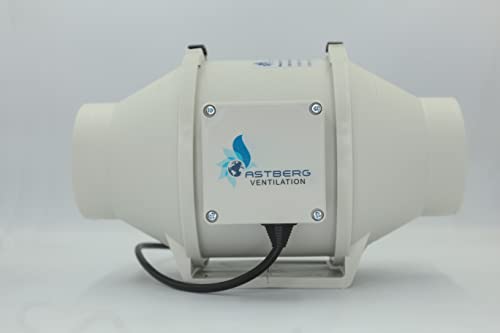

Maintaining a healthy indoor environment is essential for both comfort and long-term property maintenance. One of the most common issues homeowners and building managers face is excess moisture inside indoor spaces. High humidity and poor airflow can quickly lead to mold growth, unpleasant odors, and structural damage. Installing a ventilation fan is one of the most effective ways to manage indoor moisture and protect your living or working environment.
A ventilation fan helps remove humid air, improve airflow, and maintain balanced indoor humidity levels. By continuously circulating fresh air and removing excess moisture, it plays a crucial role in preventing mold growth and maintaining better indoor air quality.
In this article, we will explore how a ventilation fan works and why it is an essential solution for preventing mold and moisture problems.
Understanding the Connection Between Moisture and Mold
Mold thrives in environments where moisture is present. Areas such as bathrooms, kitchens, basements, and laundry rooms are particularly vulnerable because they generate humidity from activities like cooking, bathing, and washing clothes.
When moisture remains trapped indoors without proper airflow, it creates an ideal environment for mold spores to grow and spread. Mold can develop on walls, ceilings, wooden surfaces, and even furniture.
Beyond damaging property, mold exposure may also affect indoor air quality and contribute to respiratory discomfort for occupants. Preventing excessive moisture is therefore a critical step in protecting both building structures and human health.
This is where a ventilation fan becomes an essential part of indoor air management.
How a Ventilation Fan Works
A ventilation fan is designed to remove stale, humid, or contaminated air from indoor spaces and replace it with fresh air from outside. It operates by drawing air through ducts or vents and pushing it out of the building.
This continuous movement of air prevents humidity from accumulating inside enclosed spaces. As humid air is expelled, fresh air enters the room, creating a balanced airflow system.
A properly installed ventilation fan helps maintain indoor humidity levels within a healthy range, typically between 30% and 50 percent. Maintaining this balance significantly reduces the risk of mold growth.
Reducing Humidity in High-Moisture Areas
Certain areas of a building naturally produce higher levels of moisture. Bathrooms and kitchens are prime examples. Steam from showers, hot water, and cooking activities quickly increases humidity levels.
Without proper ventilation, this moisture can settle on surfaces such as walls, ceilings, and mirrors. Over time, repeated exposure to high humidity encourages mold growth and causes paint peeling or wall damage.
A ventilation fan installed in these areas removes humid air immediately after it is generated. This prevents moisture from lingering in the room and protects surfaces from prolonged dampness.
Using ventilation fans during and after activities like cooking or showering helps maintain a dry and healthy indoor environment.
Preventing Condensation on Walls and Windows
Condensation occurs when warm, moist air comes into contact with cooler surfaces such as windows, walls, or ceilings. This process creates water droplets that can accumulate over time.
If condensation is not controlled, it may lead to damp spots, mold growth, and deterioration of building materials. Insulation and paint layers may also be affected by persistent moisture.
A ventilation fan helps prevent condensation by removing humid air before it can settle on surfaces. By improving air circulation and maintaining balanced humidity levels, the fan minimizes moisture buildup and protects the structure of the building.
Protecting Building Materials from Moisture Damage
Excess moisture does more than encourage mold growth—it can also weaken building materials over time. Wooden structures may warp or rot, drywall may soften, and metal components may corrode.
These issues can lead to expensive repairs and reduce the overall lifespan of a property.
Installing a ventilation fan helps regulate humidity levels, reducing the risk of moisture-related damage to walls, ceilings, flooring, and insulation. By keeping indoor environments dry and well-ventilated, property owners can protect their investments and reduce maintenance costs.
Improving Indoor Air Quality
Poor ventilation often leads to stale air filled with humidity, odors, and airborne particles. Mold spores can spread quickly in such conditions, affecting indoor air quality and creating an uncomfortable living environment.
A ventilation fan continuously removes polluted air and replaces it with fresh air from outside. This airflow helps dilute contaminants and maintain a healthier indoor atmosphere.
Improved air quality is particularly important in areas with limited natural ventilation, such as bathrooms without windows or enclosed basements.
Supporting Healthier Living Spaces
Mold and damp environments can contribute to discomfort for occupants. People who spend time in poorly ventilated spaces may experience irritation in the eyes, nose, or throat, as well as general indoor discomfort.
Maintaining proper airflow with a ventilation fan helps create a healthier indoor environment. By controlling humidity and reducing mold risk, the fan supports better air quality and improves overall comfort for residents and employees.
Proper ventilation is especially beneficial for families, office workers, and individuals who spend extended periods indoors.
Ideal Locations for Installing Ventilation Fans
To effectively control moisture and mold, ventilation fans should be installed in areas where humidity levels are typically high. These locations often include:
- Bathrooms
- Kitchens
- Laundry rooms
- Basements
- Storage areas with limited airflow
In these spaces, a ventilation fan can quickly remove excess moisture and maintain proper airflow. Strategic placement ensures that humid air is expelled before it spreads to other parts of the building.
Maintaining Your Ventilation Fan for Best Performance
Like any mechanical system, ventilation fans require regular maintenance to operate efficiently. Dust buildup, clogged ducts, or worn components can reduce airflow and limit the fan’s effectiveness.
Routine cleaning and periodic inspection help ensure the fan continues to remove moisture effectively. Property owners should check that vents are unobstructed and that the fan operates smoothly.
Proper maintenance allows the ventilation fan to deliver consistent performance and maintain a healthy indoor environment.
Final Thoughts
Moisture control is one of the most important aspects of maintaining a healthy and durable indoor space. Excess humidity can lead to mold growth, structural damage, and poor air quality if left unmanaged.
A ventilation fan provides a simple yet highly effective solution for preventing these problems. By removing humid air, improving airflow, and maintaining balanced humidity levels, ventilation fans play a vital role in protecting both buildings and occupants.
Whether installed in bathrooms, kitchens, basements, or commercial spaces, a well-functioning ventilation fan helps maintain a cleaner, healthier, and more comfortable environment. Investing in proper ventilation not only prevents mold and moisture issues but also contributes to long-term indoor air quality and property preservation.