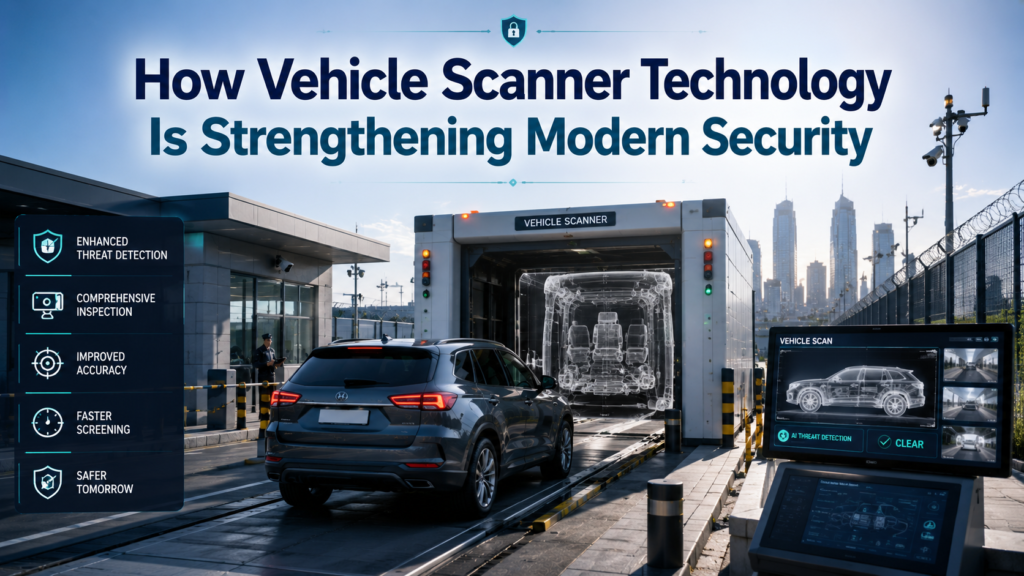

Vehicle scanner technology has become an important part of modern security infrastructure across transportation hubs, border checkpoints, government facilities, industrial zones, and commercial complexes. As organizations seek faster and more reliable ways to inspect vehicles without disrupting traffic flow, advanced scanning systems are increasingly being integrated into daily operations. These solutions help identify concealed threats, improve operational efficiency, and support risk-based security management.
The growing adoption of intelligent surveillance, artificial intelligence, and automated inspection systems is also changing the way authorities manage vehicle access and cargo movement. According to the Global Vehicle Scanner Market research report, technological innovation and the need for stronger infrastructure protection are among the key factors influencing industry development. The expanding use of digital security platforms is encouraging organizations to move beyond manual inspection methods toward data-driven scanning solutions.
Why Vehicle Scanner Systems Are Becoming Essential
Critical infrastructure facilities face increasing pressure to maintain high security standards while ensuring the smooth movement of people and goods. Vehicle scanners provide a non-intrusive method of inspecting cars, trucks, buses, and cargo vehicles without requiring lengthy manual checks. These systems can detect hidden compartments, unauthorized cargo, or suspicious objects, reducing security risks while minimizing delays.
Governments and security agencies around the world are also strengthening border management and transportation security programs. Initiatives focused on cargo screening and secure trade corridors are encouraging investments in advanced scanning equipment. The U.S. Customs and Border Protection border security program highlights the growing importance of non-intrusive inspection technologies for improving operational efficiency and enhancing safety across border operations.
Artificial Intelligence Is Improving Inspection Accuracy
Artificial intelligence and machine learning are transforming the capabilities of modern vehicle scanners. Traditional systems primarily relied on image capture and manual interpretation by security personnel. Today’s advanced platforms can automatically analyze scan images, identify unusual patterns, and assist operators in detecting potential threats more quickly and accurately.
AI-enabled software also reduces the chances of human error by supporting real-time decision-making. Integrated analytics platforms can compare inspection data against historical records, recognize anomalies, and prioritize high-risk vehicles for further investigation. This combination of automation and predictive intelligence is helping organizations improve security outcomes while making better use of available resources.
Expanding Applications Across Multiple Industries
Although border security remains a major application area, vehicle scanner solutions are now widely used across several industries. Airports, seaports, logistics parks, military facilities, power plants, and large manufacturing sites increasingly depend on these systems to protect critical assets and monitor vehicle movement. Commercial buildings, event venues, and smart city projects are also adopting automated vehicle inspection technologies as part of integrated security strategies.
In the logistics and supply chain sector, vehicle scanners support the secure movement of goods by helping identify unauthorized cargo or potential tampering. As global trade volumes continue to grow, businesses are looking for technologies that can strengthen supply chain visibility without creating bottlenecks. The use of connected inspection platforms enables security teams to share information across multiple locations and improve coordination between stakeholders.
Smart Infrastructure and Connected Security Networks
The rise of smart infrastructure projects is creating new opportunities for vehicle scanning technologies. Modern security ecosystems increasingly combine scanners with surveillance cameras, access control systems, license plate recognition software, and centralized command centers. This interconnected approach allows authorities to build a more comprehensive view of security operations and respond rapidly to emerging risks.
Integration with Internet of Things (IoT) platforms further enhances the value of these systems. Connected sensors and cloud-based monitoring tools can provide real-time updates, automate reporting, and support predictive maintenance of scanning equipment. International standards for intelligent transport and security technologies continue to encourage the adoption of interoperable digital infrastructure, as reflected in initiatives promoted by the International Organization for Standardization (ISO) intelligent transport systems framework.
Challenges Influencing Industry Development
Despite the growing demand for advanced vehicle inspection solutions, several operational challenges remain. High installation and maintenance costs can create barriers for smaller organizations, particularly where extensive infrastructure upgrades are required. In addition, integrating new scanning platforms with legacy security systems may involve technical complexities and additional investment.
Data management and cybersecurity are also becoming increasingly important. As vehicle scanners generate and store large amounts of digital information, organizations must ensure that inspection data is protected against unauthorized access. Compliance with evolving data privacy regulations and cybersecurity standards is likely to remain a key consideration for operators and technology providers alike.
The Future of Vehicle Scanner Technology
The future of vehicle scanning is expected to be shaped by continued advances in automation, artificial intelligence, and connected security networks. The industry is gradually moving toward highly integrated solutions capable of combining real-time image analysis, biometric verification, and predictive threat detection within a unified platform. Such developments could significantly improve the speed and reliability of vehicle inspections across a wide range of applications.
At the same time, the expansion of smart cities, digital border management programs, and secure logistics infrastructure is expected to create additional opportunities for innovation. As public and private organizations continue to prioritize resilience and infrastructure protection, vehicle scanner technologies are likely to play an increasingly important role in safeguarding critical assets while supporting the efficient movement of people and goods. The broader industry trend reflects a shift toward proactive, technology-enabled security models that balance operational efficiency with enhanced risk management.