
Trees face rough weather in every season. Wind lashes branches. Rain soaks the ground. Thunderstorms test every weak limb and shaky root. A healthy tree can ride out much of that strain. A neglected tree often snaps splits or falls. That is why steady care matters. Good upkeep shapes strong growth and cuts hidden risks before foul weather strikes. Many homeowners now look at Tree Maintenance Lancashire as a practical way to protect both trees and property.
Why do storms damage trees so easily?
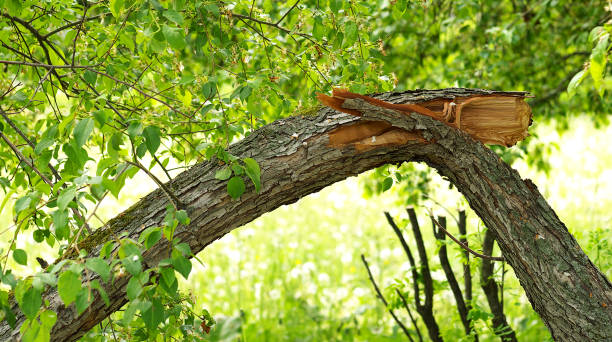
Storms expose every flaw a tree carries. A dead branch may hang for months without trouble. Then one hard gust tears it loose. A cracked limb may hold its weight on a calm day. During a storm it can split like dry timber. Weak roots create an even bigger hazard. Heavy rain softens the soil. Wind then pushes against the crown. The whole tree may tip.
Nature works with brute force. Trees need sound structure to endure it. Strong roots anchor deep. Healthy limbs bend instead of breaking. A balanced crown lets wind move through rather than slam against a thick wall of leaves.
How does pruning make a tree stronger?
Pruning does more than tidy a tree. It builds sturdiness. Dead wood comes off. Frail limbs get cut back. Crowded branches thin out. That simple work changes how a tree handles pressure. Wind often catches dense growth like a sail. Too much weight in one section also pulls hard on the trunk. Pruning eases that burden. It spreads weight more evenly. It opens the canopy. Air slips through with less resistance. Fresh growth also follows a better pattern after proper pruning. Branches form cleaner angles. The frame becomes sound. Over time the tree develops grit and resilience.
What happens when roots stay healthy?
Roots hold the whole living giant upright. They gather water. They store energy. They grip the earth like a hand grips rope. If roots weaken the tree loses its footing. Construction damage poor soil and standing water can all stress roots. Hard packed ground blocks air and water from moving well. Rot can creep in. Shallow roots may spread wide but fail to hold firm.
Proper soil care keeps roots vigorous. Mulch helps protect moisture. Good drainage prevents rot. Gentle root zone care supports long term strength. Skilled work such as Tree Maintenance Lancashire often focuses below ground because root health shapes everything above it.
Can dead branches really cause major damage?
Yes. Dead limbs become brittle. They lose flexibility. They crack fast under force. A sharp gale can send heavy branches crashing down in seconds. That falling wood can strike roofs fences sheds or parked cars. It can also injure people. Even small branches become dangerous when wind flings them with speed. Removing dead wood lowers that threat at once. It also helps the tree direct energy toward healthy parts instead of carrying lifeless weight.
Why does regular inspection matter?
Trees do not always show distress in plain sight. Rot may hollow a trunk from inside. Tiny fissures may creep along a limb. Fungus near roots may signal decay underground. Routine checks reveal those quiet problems early. A trained eye can spot warning signs before disaster hits. Early action saves money and often saves the tree as well. Small faults grow into grave hazards when nobody notices them. Regular inspection keeps little troubles from turning savage.
Does tree shape affect storm survival?
Yes. Shape matters a great deal. A lopsided crown catches wind unevenly. One heavy side can pull the trunk off balance. Narrow branch joints also break more easily than broad strong ones. Good shaping builds symmetry. It keeps weight spread across the crown. It encourages sturdy branch structure. A well formed tree stands like a seasoned old oak in rough weather. It moves with force instead of fighting every blast.

What care should young trees receive?
Young trees need guidance early. Their first years shape their future frame. Bad growth habits start small. Left alone they become hard to fix later. Young branches should grow with good spacing. Weak crossing limbs should come off. Root flare should stay exposed rather than buried too deep. Watering should support deep roots instead of shallow surface roots. Early care creates a tree that grows stout and steady. It becomes far less likely to fail in storms years later.
Can healthy trees recover faster after storms?
They often do. A vigorous tree seals wounds better. It sends energy into repair. It grows fresh shoots where needed. Strong roots help restore balance after strain. A weak tree struggles. Disease may enter broken areas. Decay may spread. Recovery slows or stops. Good maintenance before storms and wise care after storms give trees their best chance to bounce back.
FAQs
How often should a tree be checked?
A full check once each year works well for most trees. Older trees or trees near homes may need more frequent attention.
Is pruning safe in every season?
Timing depends on the tree species. Many trees respond well during dormant periods when stress stays low.
Can too much water weaken roots?
Yes. Constant wet soil can starve roots of air and encourage rot.
Do small trees need maintenance too?
Yes. Early care shapes strong growth and prevents future weakness.
Is storm preparation worth the cost?
Preventive care usually costs far less than repairing damage after a tree fails.
Conclusion
Storms will always come. No one can stop wind or heavy rain. Still proper care changes how trees face that trial. Strong roots healthy limbs and sound structure give a tree a fighting chance. Regular pruning inspection and soil care build lasting strength year after year. Homeowners who invest in Tree Maintenance Lancashire often protect more than trees. They protect the space around them and keep nature standing tall through rough skies.