
Introduction
Tooth loss is a common dental concern that affects people of all ages. Whether caused by decay, gum disease, injury, or other oral health conditions, losing a tooth can have consequences that extend far beyond appearance. While many individuals initially focus on the visible gap in their smile, the underlying effects on jawbone health and tooth alignment can be even more significant.
When a natural tooth is lost, the jawbone beneath it begins to change. Without stimulation from the tooth root, the bone gradually shrinks over time. At the same time, neighboring teeth may shift into the empty space, altering the bite and increasing the risk of future dental complications. These changes can affect chewing efficiency, speech, facial appearance, and overall oral health.
Fortunately, modern dentistry offers advanced solutions that can restore both function and aesthetics. For patients considering permanent tooth replacement in Jamshedpur, timely treatment can help preserve jawbone structure, prevent shifting teeth, and maintain long-term oral health.
This article explains why tooth replacement is important, how missing teeth affect the mouth, and how modern restorative options can help prevent bone loss and tooth movement.
Understanding the Impact of Tooth Loss
Every tooth in the mouth serves a specific purpose.
Teeth work together to:
- Support chewing function
- Maintain proper bite alignment
- Preserve jawbone health
- Support facial structure
- Aid speech clarity
When one or more teeth are missing, these functions can be compromised.
The effects may develop gradually but can become increasingly noticeable over time.
What Happens After a Tooth Is Lost?
Many patients assume that once a tooth is removed, the problem has been solved.
However, the body begins adapting immediately after tooth loss.
Common changes include:
- Bone resorption
- Tooth drifting
- Bite changes
- Reduced chewing efficiency
- Increased strain on remaining teeth
Without treatment, these changes may continue to progress.
Why the Jawbone Needs Tooth Roots
Natural tooth roots play an essential role in maintaining jawbone strength.
Each time a person chews, pressure is transmitted through the tooth root into the surrounding bone.
This stimulation helps:
- Maintain bone density
- Preserve bone volume
- Support healthy bone remodeling
Without a tooth root, the bone receives less stimulation and begins to shrink.
Understanding Bone Resorption
Bone resorption is the gradual loss of bone tissue following tooth loss.
It occurs because the body no longer needs the same amount of bone to support a missing tooth.
Over time, bone resorption may lead to:
- Reduced jawbone height
- Decreased bone density
- Structural changes in the mouth
- Challenges for future restorative procedures
The process can begin within the first few months after tooth loss.
How Bone Loss Affects Facial Appearance
The jawbone provides support for facial muscles and soft tissues.
When significant bone loss occurs, patients may notice:
Sunken Facial Features
Reduced bone volume can affect facial contours.
Premature Aging
Loss of support may contribute to an older appearance.
Changes in Facial Balance
Bone shrinkage can alter overall facial proportions.
Maintaining jawbone health is important for both function and aesthetics.
Why Teeth Shift After Tooth Loss
The teeth are designed to work together as a coordinated system.
When one tooth is missing, surrounding teeth may begin moving into the empty space.
This movement can include:
Tilting
Adjacent teeth lean toward the gap.
Rotation
Teeth may twist out of their normal positions.
Vertical Movement
Opposing teeth may drift into the space left by the missing tooth.
These changes can affect bite stability and oral health.
Problems Caused by Tooth Shifting
Tooth movement following tooth loss can create several complications.
These may include:
Bite Misalignment
Changes in tooth position can alter chewing mechanics.
Difficulty Cleaning
Crowded or tilted teeth are harder to maintain.
Increased Risk of Cavities
Plaque accumulation may increase.
Gum Problems
Misalignment can contribute to gum inflammation.
Preventing tooth movement is one of the key reasons dentists recommend replacing missing teeth promptly.
The Importance of Permanent Tooth Replacement
Replacing missing teeth helps restore balance within the mouth.
Benefits include:
- Improved chewing function
- Better speech
- Enhanced appearance
- Preservation of jawbone structure
- Prevention of tooth drifting
Prompt treatment often provides the best opportunity to preserve oral health.
Modern Tooth Replacement Options
Several restorative solutions are available for replacing missing teeth.
Common options include:
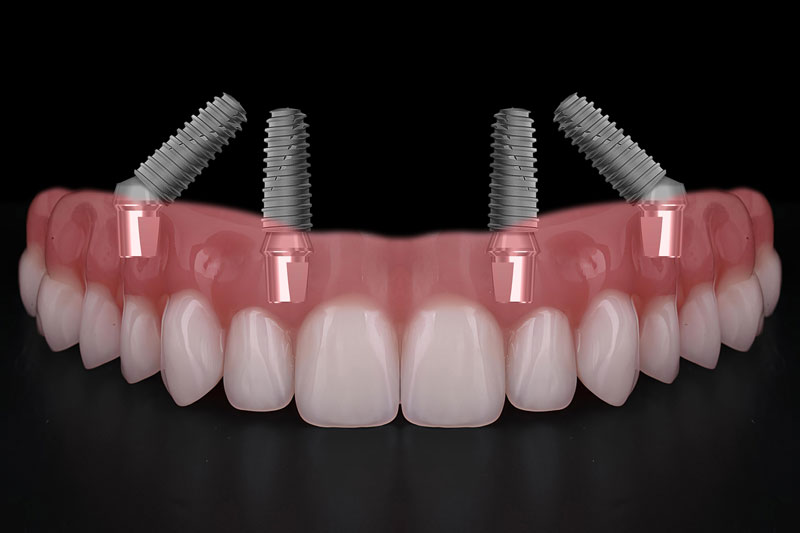
Dental Implants
Replace both the tooth and the root.
Dental Bridges
Use adjacent teeth for support.
Partial Dentures
Replace one or more missing teeth.
The most suitable option depends on individual oral health needs and treatment goals.
Why Permanent Solutions Are Often Preferred
Temporary tooth replacement options can restore appearance and some function.
However, permanent solutions often provide additional benefits.
Advantages may include:
- Greater stability
- Improved chewing performance
- Better long-term comfort
- Enhanced durability
Many patients prefer permanent restorations because they more closely mimic natural teeth.
The Value of a Tooth Replacement Consultation
Every patient has unique dental needs.
A professional tooth replacement consultation helps determine the most appropriate treatment approach.
During the consultation, the dental team may evaluate:
Oral Health Status
Assessment of teeth and gums.
Bone Quality
Evaluation of jawbone support.
Bite Function
Analysis of how the teeth fit together.
Treatment Goals
Discussion of patient preferences and expectations.
A personalized consultation helps ensure successful treatment planning.
Restoring Chewing Efficiency
Missing teeth can affect the ability to chew comfortably and effectively.
Patients may experience:
- Difficulty eating certain foods
- Uneven chewing
- Reduced chewing efficiency
Replacing missing teeth helps restore proper function and supports better nutrition.
Improving Speech and Confidence
Teeth play an important role in speech production.
Tooth loss may contribute to:
- Pronunciation difficulties
- Speech changes
- Reduced confidence during conversations
Restoring missing teeth can improve communication and enhance self-confidence.
Protecting Remaining Teeth
When a tooth is lost, neighboring teeth often experience increased stress.
This may lead to:
- Excessive wear
- Increased pressure during chewing
- Greater risk of damage
Tooth replacement helps distribute biting forces more evenly and protects remaining natural teeth.
Long-Term Benefits of Replacing Missing Teeth
Timely treatment offers several long-term advantages.
These include:
Preservation of Bone Structure
Helps reduce bone loss.
Prevention of Tooth Movement
Maintains proper alignment.
Improved Bite Stability
Supports comfortable chewing.
Enhanced Oral Health
Contributes to easier cleaning and maintenance.
These benefits often continue for many years after treatment.
What to Expect During Treatment
The exact process depends on the selected replacement option.
However, most treatment plans involve:
Initial Examination
Evaluation of oral health and treatment needs.
Diagnostic Imaging
Assessment of bone and supporting structures.
Treatment Planning
Development of a customized solution.
Restoration Placement
Completion of the chosen tooth replacement procedure.
Regular follow-up appointments help ensure long-term success.
Choosing the Right Dental Provider
Patients considering permanent tooth replacement in Jamshedpur should look for a clinic that offers:
- Comprehensive evaluations
- Personalized treatment plans
- Modern restorative technology
- Ongoing patient support
Experienced professionals can help guide patients through every stage of treatment.
Many individuals seek care from Dental Hub in Jamshedpur when exploring options for restoring missing teeth and maintaining long-term oral health.
Why Early Treatment Matters
Delaying tooth replacement can allow:
- Bone loss to progress
- Teeth to shift further
- Bite problems to worsen
- Treatment complexity to increase
Early intervention often helps preserve natural oral structures and improve treatment outcomes.
Conclusion
Missing teeth can affect far more than appearance. Without timely treatment, tooth loss may lead to jawbone deterioration, shifting teeth, bite changes, and increased risk of future dental complications. Understanding these consequences highlights the importance of replacing missing teeth as soon as possible.
For individuals considering permanent tooth replacement in Jamshedpur, modern restorative dentistry offers reliable solutions that restore function, appearance, and oral health. A professional tooth replacement consultation can help determine the most suitable treatment option based on individual needs and goals.
Seeking guidance from experienced professionals, including those at Dental Hub in Jamshedpur, allows patients to receive personalized care and long-term support. By replacing missing teeth promptly, patients can protect their jawbone, maintain proper alignment, and enjoy a healthier smile for years to come.
Frequently Asked Questions
Why does bone loss occur after tooth loss?
Bone loss occurs because the jawbone no longer receives stimulation from the missing tooth root.
Can missing teeth cause other teeth to move?
Yes. Neighboring teeth often shift into the empty space left by a missing tooth.
What is a tooth replacement consultation?
It is a professional evaluation that helps determine the most appropriate tooth replacement option.
Is permanent tooth replacement better than temporary options?
Permanent solutions often provide greater stability, durability, and long-term function.
How soon should a missing tooth be replaced?
Early replacement is generally recommended to help prevent bone loss and tooth movement.
Source: Deviantart.com