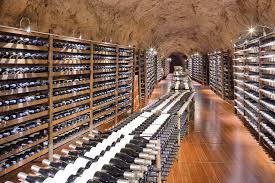

If you’re a wine enthusiast, learning how to turn a basement into a wine cellar is one of the best ways to protect your collection while adding value to your home. Basements naturally offer cooler temperatures than other parts of the house, making them an ideal location for wine storage. With the right planning, insulation, and climate control, you can create a beautiful and functional wine cellar that keeps your bottles in excellent condition for years.
1. Choose the Right Basement Space
The first step in understanding how to turn a basement into a wine cellar is selecting the right area. Choose a section of your basement that is free from excessive sunlight, vibrations, and moisture issues. Even a small corner can be transformed into an attractive wine storage room with proper planning.
2. Insulate the Walls and Ceiling
Proper insulation is essential for maintaining a stable environment. Use moisture-resistant insulation and install a vapor barrier to prevent condensation. Well-insulated walls help your cooling system maintain a consistent temperature while improving energy efficiency.
3. Install a Wine Cellar Cooling System
Wine requires consistent storage conditions to age properly. Install a dedicated wine cellar cooling unit that keeps the temperature between 55°F and 58°F (13°C–14°C) with humidity levels around 60–70%. Avoid using a standard air conditioner, as it cannot maintain the ideal humidity needed for long-term wine storage.
4. Select Durable Flooring
Basement flooring should resist moisture while complementing the overall design. Popular choices include:
- Natural stone
- Ceramic tile
- Sealed concrete
- Engineered hardwood designed for humid environments
Avoid carpeting, as it can trap moisture and encourage mold growth.
5. Install Quality Wine Racks
One of the most important parts of how to turn a basement into a wine cellar is selecting the right storage system. Wooden wine racks made from redwood, mahogany, or oak are popular because they resist humidity and provide a timeless appearance. Metal racks offer a sleek, modern alternative.
6. Add Proper Lighting
Use low-heat LED lighting to illuminate your cellar without affecting the wine. Recessed ceiling lights, under-shelf LEDs, and wall sconces create a warm atmosphere while showcasing your collection beautifully.
7. Include a Tasting Area
If space allows, create a comfortable tasting corner with a small table, chairs, or a built-in bar. This transforms your wine cellar from simple storage into an inviting entertainment space where you can enjoy your collection with friends and family.
8. Protect Your Collection
Install a solid insulated door with weather stripping to maintain temperature and humidity. A lockable door provides added security, especially if you own rare or expensive bottles. Smart temperature and humidity monitors can also help you keep conditions consistent.
9. Organize Your Wine Collection
Arrange bottles by region, grape variety, vintage, or winery to make them easy to locate. Label shelves clearly and consider using a digital inventory app to track your collection as it grows.
10. Personalize the Space
Complete your wine cellar with decorative touches such as reclaimed wood accents, stone walls, wine barrel furniture, vineyard artwork, or custom signage. These elements give the cellar character while creating a welcoming atmosphere.
Conclusion
Learning how to turn a basement into a wine cellar is easier than many homeowners expect. By focusing on insulation, climate control, quality storage, and thoughtful design, you can create a space that preserves your wine while enhancing your home’s appeal. Arrange bottles by region, grape variety, vintage, or winery to make them easy to locate. Label shelves clearly and consider using a digital inventory app to track your collection as it grows. Whether you have a modest collection or hundreds of bottles, a well-designed basement wine cellar offers the perfect balance of functionality, style, and long-term value.