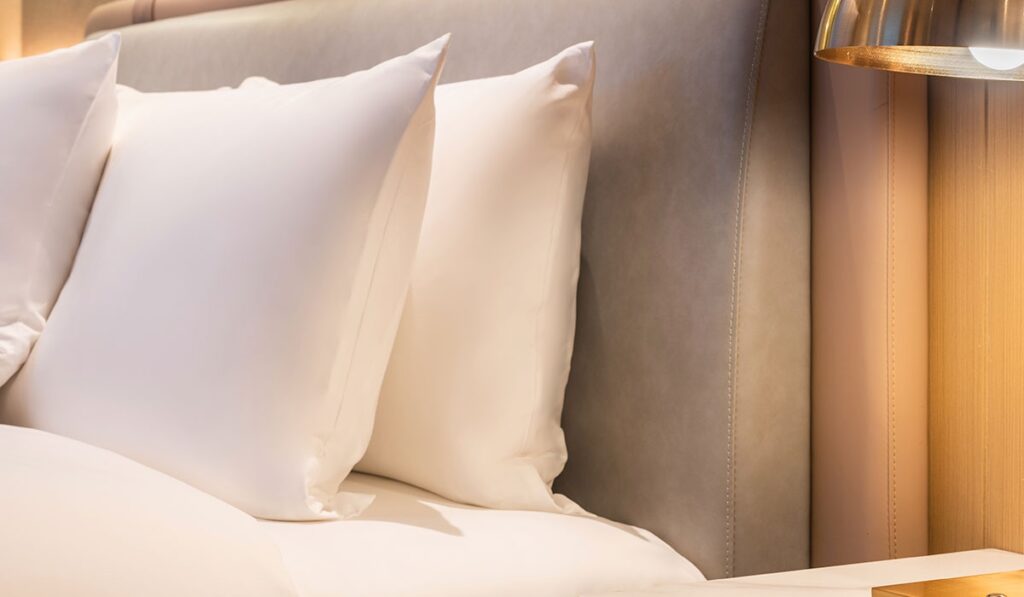

Hotel pillowcases are an essential part of guest comfort and overall room presentation. High-quality pillowcases for hotel use influence hygiene, durability, and the impression a guest receives. Proper maintenance ensures softness, brightness, and long-term usability. Consistent care helps hotels minimize replacement costs while maintaining high sanitation standards. This guide provides step-by-step strategies for washing, drying, stain removal, rotation, and storage. Following these methods preserves fabric integrity, reduces operational wear, and supports a professional hospitality image. Maintaining pillowcases systematically ensures guest satisfaction on every visit.
Why Proper Maintenance Of Hotel Pillowcases Matters
Hotel pillowcases endure daily use and repeated laundering. Without proper care, they lose softness, develop stains, and show premature wear. Maintaining them improves fabric longevity, keeps linens hygienic, and preserves a professional appearance. Regular care prevents threads from thinning, maintains smooth texture, and avoids visible discoloration. Proper handling also reduces operational costs by extending replacement cycles. Clean and soft pillowcases contribute directly to guest comfort and satisfaction. Structured maintenance routines create consistency across housekeeping teams, ensuring every pillowcase delivers a uniform feel and appearance throughout its lifecycle.
Fabric Types Used In Hotel Pillowcases
Knowledge of fabric type is crucial for effective pillowcase maintenance. Cotton is breathable and comfortable but may shrink if washed at high temperatures. Egyptian or long-staple cotton provides luxury and softness but requires gentle care to prevent damage. Cotton-polyester blends offer durability, wrinkle resistance, and easier maintenance for high-turnover hotels. Microfiber is lightweight, stain-resistant, and fast-drying, though it can attract lint if not washed properly. Recognizing fabric characteristics allows housekeeping teams to select appropriate detergents, washing temperatures, and drying methods, preventing damage and ensuring pillowcases remain soft and visually appealing for years.
Establishing A Proper Washing Routine
A consistent washing schedule preserves hygiene and fabric integrity. Pillowcases must be washed after every guest checkout to meet sanitation requirements. Overloading machines reduces cleaning efficiency and increases friction, which causes wear. Separating whites from colored fabrics prevents staining. Temperature selection should match the fabric’s care label to avoid shrinkage. Using mild, commercial-grade detergents helps maintain softness and prevents fiber damage. Structured washing routines maintain uniform appearance, ensure cleanliness, and extend linen lifespan, supporting both operational efficiency and guest satisfaction in hotel environments.
Choosing The Right Detergents And Cleaning Agents
Detergents directly impact the durability and softness of pillowcases. Harsh chemicals weaken fibers and can cause discoloration. pH-balanced detergents help preserve structural integrity while cleaning effectively. Oxygen-based bleaching agents are safer alternatives to chlorine bleach, preventing fabric breakdown. Controlled use of fabric softeners maintains smooth texture without leaving residue. Stain removers designed for hospitality textiles remove spots without damaging threads. Selecting high-quality cleaning products ensures pillowcases retain softness, brightness, and resilience, reducing the need for frequent replacements and maintaining a fresh, professional look in guest rooms consistently.
Proper Drying Techniques For Longevity
Drying pillowcases requires careful attention to heat, timing, and method. Low to medium heat settings prevent shrinkage and fiber damage. Overdrying causes brittleness and accelerates wear, while removing pillowcases promptly minimizes wrinkles and preserves shape. Air drying or partial air drying can prolong fabric life by reducing stress from high heat. Proper drying not only maintains texture but also enhances comfort for guests. Implementing these methods ensures pillowcases remain soft, clean, and wrinkle-free after every wash, supporting overall linen durability and maintaining a professional appearance for hotel rooms.
Handling Stains Immediately And Effectively
Stains in hotel pillowcases are common due to makeup, oils, and food spills. Immediate treatment prevents permanent discoloration and fabric damage. Pre-treating stains with gentle cleaning agents ensures effective removal without scrubbing aggressively. Testing cleaning products on a small area first protects delicate fabrics. Severely stained pillowcases should be washed separately to prevent transfer. Quick and proper stain management preserves visual appeal, prolongs fabric lifespan, and maintains a consistently fresh look for guests. Consistent attention to stain removal also supports hygiene standards and protects brand reputation in hospitality operations.
Implementing A Rotation System
Rotating pillowcases ensures even wear across hotel inventory. Maintaining sufficient stock levels allows systematic rotation without overusing certain items. Labeling batches supports tracking and helps staff distribute use evenly. Regular inspection of linens identifies signs of wear, preventing damaged pieces from returning to circulation. Rotation minimizes stress on specific pillowcases, extends overall lifespan, and reduces replacement frequency. Systematic rotation also ensures guests consistently experience soft, fresh linens, contributing to positive impressions and reinforcing professional standards in hotel room presentation.
Proper Storage Practices
Storage conditions have a direct impact on pillowcase longevity. Clean pillowcases should be stored in cool, dry areas to prevent mildew and odors. Avoiding direct sunlight prevents fading, while good air circulation on shelves reduces moisture buildup. Pillowcases must be kept away from strong chemicals that could weaken fibers. Organized stacking maintains shape and prevents creases. Effective storage ensures pillowcases remain fresh and hygienic until needed, supporting smooth operations in housekeeping and consistent quality for guest rooms, preserving both appearance and structural integrity over extended periods.
Regular Inspection And Quality Control
Routine inspections identify early signs of wear or damage, such as thinning fabric, fraying edges, or stains. Housekeeping supervisors should conduct weekly checks and remove compromised pillowcases from circulation. Minor repairs can prevent further damage, extending linen life. Tracking inventory usage helps determine average lifespan and replacement cycles. Consistent quality control ensures every pillowcase meets brand standards and hygiene expectations. Proactive management avoids negative guest experiences and supports professional hotel operations, maintaining both comfort and visual appeal in every room.
Training Housekeeping Staff For Best Results
Proper staff training ensures pillowcase maintenance standards are consistently applied. Housekeeping teams should learn fabric care, machine settings, chemical handling, and storage techniques. Regular refresher sessions reinforce best practices, ensuring all shifts maintain uniform quality. Knowledgeable staff reduces errors in laundering, folding, and storage, protecting fabric integrity. Well-trained teams also improve operational efficiency by minimizing damaged items and extending linen lifespan. Consistent staff education guarantees guests experience soft, fresh pillowcases while hotels optimize resources and maintain brand reputation in hospitality services.
When To Replace Hotel Pillowcases
Even with proper maintenance, pillowcases eventually require replacement. Signs include thinning or rough fabric, permanent stains, frayed edges, and loss of elasticity in seams. Persistent odors after washing indicate underlying deterioration. Timely replacement protects guest comfort and hotel image while preventing hygiene issues. Monitoring linen condition regularly ensures replacements are made proactively, supporting consistent quality. Structured replacement planning aligns with maintenance routines, helping hotels sustain professional presentation, reduce complaints, and manage inventory efficiently while extending the lifespan of the overall linen collection.
Sustainable Practices For Long-Term Efficiency
Sustainable practices reduce costs and environmental impact. Using eco-friendly detergents, optimizing washing loads, and investing in durable fabrics prolongs pillowcase life. Partnering with professional linen services improves efficiency while reducing water and energy consumption. These measures minimize waste and lower operational costs while supporting eco-conscious operations. Sustainable linen management balances durability with environmental responsibility. Hotels adopting these practices maintain soft, clean pillowcases while contributing to broader sustainability goals. Long-term efficiency results in cost savings, improved guest satisfaction, and responsible stewardship of resources.
Conclusion
Long-term maintenance of hotel pillowcases requires structured care across washing, drying, stain treatment, rotation, storage, and inspections. Trained staff ensure consistent application of best practices. Timely replacement protects guest comfort, hygiene, and hotel image. Sustainable and systematic maintenance reduces operational costs, extends linen life, and enhances brand reputation. Following these steps ensures pillowcases remain soft, bright, and durable for hundreds of guest cycles. A disciplined approach to pillowcase care supports high standards of hospitality, operational efficiency, and superior guest experiences.