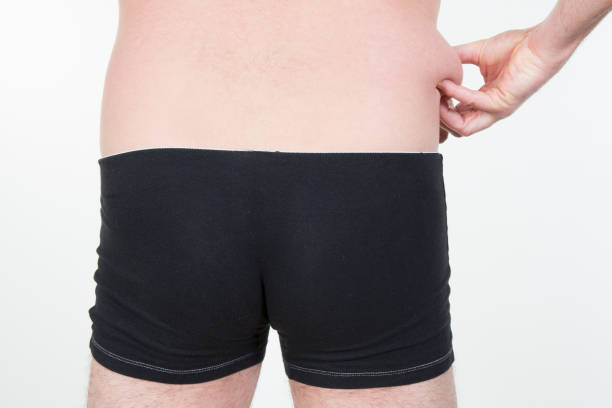

If you’re tired of yo-yo dieting and want to finally achieve a leaner, more defined lower body without feeling deprived, this guide is for you. How to Lose Butt Fat for Men? Extreme dieting might produce rapid initial results, but it’s almost always unsustainable. It leads to muscle loss, a slower metabolism, and eventually, weight regain. The real solution is a balanced, sustainable approach that works with your biology, not against it.
Why Extreme Dieting Fails
Crash diets and severe calorie restriction trigger a cascade of negative effects. When you drastically slash calories, your body perceives a famine and responds by slowing down your metabolism to conserve energy . This “starvation mode” makes it harder to lose weight and easier to regain it once you resume normal eating . This is a common pitfall for men looking to lose fat quickly, often leading to a frustrating cycle of loss and regain.
Furthermore, aggressive dieting often leads to a significant loss of muscle mass, especially without adequate protein and resistance training. This is the opposite of what you want for a leaner physique. Losing muscle further slows your metabolism, making it even harder to keep the fat off in the long run.
The Sustainable Alternative: A Moderate Calorie Deficit
The most effective and sustainable way to lose body fat is to create a modest calorie deficit. This involves a small reduction in your daily caloric intake—typically around 300–500 calories below maintenance . This approach allows you to lose fat at a steady rate (about 0.5–1 kg per week) without triggering the body’s “famine” response.
The Cornerstone of Sustainable Fat Loss: Protein and Strength Training
To lose fat while preserving muscle and keeping your metabolism high, two elements are non-negotiable:
-
High Protein Intake: Protein is your most powerful ally. It supports muscle repair and growth, which is essential for keeping your metabolism active . Aim for 1.6–2.2 grams of protein per kilogram of your body weight daily . Good sources include lean meats, fish, eggs, Greek yogurt, and protein-fortified foods.
-
Resistance Training: Strength training is the signal that tells your body to hold onto muscle while you are in a calorie deficit . Compound exercises like squats, deadlifts, and lunges are the most efficient way to build and maintain muscle. This is the key to achieving a defined shape as the fat layer reduces.
Building the Right Habits for the Long Term
Sustainable fat loss is built on consistent habits, not extreme willpower. Focus on these practical strategies to stay on track.
-
Flexible Dieting: A strict, all-or-nothing approach often leads to burnout. The 80/20 rule—where 80% of your calories come from whole, nutrient-dense foods and 20% from treats—is a practical way to enjoy your life while staying on track.
-
Meal Prep: Dedicate a few hours each week to preparing balanced meals. This removes the guesswork and makes it easier to avoid unhealthy impulse choices.
-
Prioritise Sleep: Aim for 7–9 hours of quality sleep per night. Poor sleep disrupts hunger hormones and raises cortisol, which can promote fat storage.
-
Manage Stress: Chronic stress also elevates cortisol. Practice stress-reducing activities like walking, meditation, or deep breathing.
When Diet and Exercise Hit a Wall
Sometimes, even with the most consistent effort, stubborn, localised fat remains resistant to change. If you are near your ideal weight but cannot shift specific pockets of fat from your glutes, aesthetic treatments can provide a targeted solution . Options like CoolSculpting (cryolipolysis) for pinchable fat rolls can reduce fat cells in specific areas.
For those seeking expert guidance and customized aesthetic care, you can book an appointment consultation at the Enfield Royal Clinic.
Frequently Asked Questions
Why am I not losing fat even though I’m eating very little?
You may have slowed your metabolism by eating too little. A moderate calorie deficit is more effective for sustainable fat loss than extreme restriction.
Can I eat carbs and still lose body fat?
Yes. Carbohydrates are your body’s primary energy source. Focus on complex carbs like sweet potatoes, oats, and whole grains, especially around your workouts.
How important is protein for sustainable fat loss?
Crucial. Protein helps preserve muscle mass during a calorie deficit, which keeps your metabolism high and prevents the “skinny-fat” look.
What if I slip up and overeat one day?
It’s not a problem. A single day of overeating won’t undo your progress. The key is to get back on track with your next meal, not to let it become a full-blown relapse.
Is cardio or strength training more important for fat loss?
Strength training is more critical for long-term body recomposition as it builds the muscle that gives your body shape and boosts your metabolism. Cardio is a valuable tool for burning additional calories.