
In today’s digital era, B2B businesses are constantly seeking innovative ways to connect with potential clients and drive growth. One strategy that has gained traction is location-based marketing (LBM). By leveraging geographic data, B2B companies can deliver highly targeted campaigns, improve engagement, and increase conversion rates. Here’s how you can use location-based marketing for B2B success.
Why Location-Based Marketing Matters for B2B
Unlike B2C marketing, B2B purchases often involve multiple decision-makers and longer sales cycles. Location-based marketing allows businesses to:
- Target prospects in specific regions or industries.
- Tailor campaigns to local events, trade shows, or business hubs.
- Optimize ad spend by focusing only on high-potential areas.
- Increase relevance and personalization in communications.
By understanding where your target businesses operate, you can send the right message at the right place and time.
Strategies to Leverage Location-Based Marketing
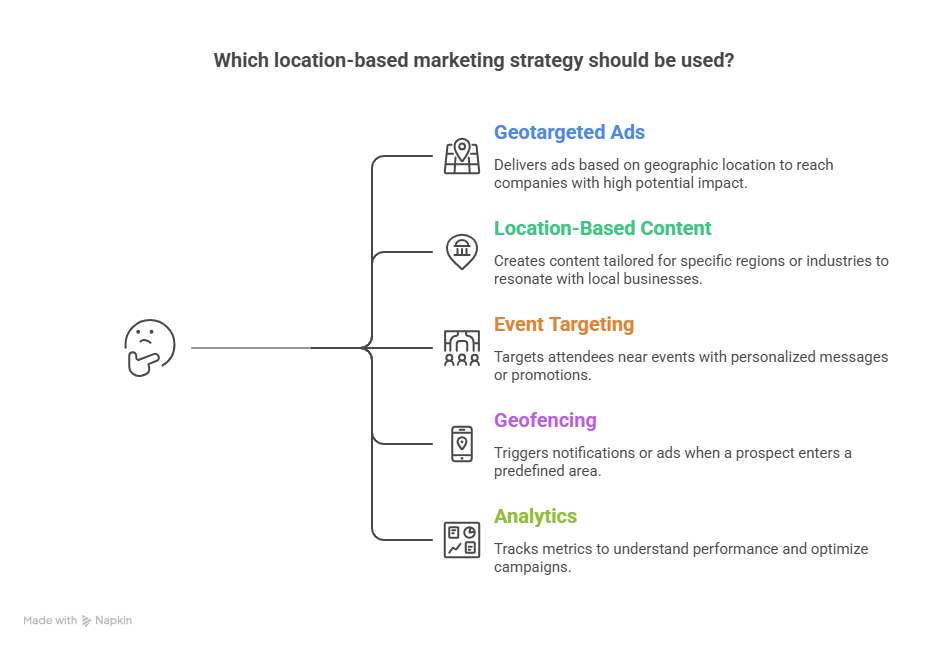
1. Geotargeted Ads
Use platforms like Google Ads, LinkedIn, and programmatic networks to deliver ads based on geographic location. This ensures your messaging reaches companies in regions where your product or service has the most potential impact.
Tips:
- Focus on business districts or industrial hubs.
- Adjust messaging to reflect local needs or trends.
2. Location-Based Content Marketing
Create content tailored for specific regions or industries. For example, blog posts, case studies, or newsletters can highlight local success stories, events, or regulations affecting businesses in that area.
Tips:
- Share insights about local market trends.
- Highlight region-specific customer success stories.
3. Event and Trade Show Targeting
Many B2B purchases are influenced by networking and in-person events. Use LBM to target attendees near trade shows, conferences, or industry expos with personalized messages or promotions.
Tips:
- Send invitations or offers to companies located near the event venue.
- Promote your booth or demo sessions via geofenced mobile ads.
4. Geofencing and Mobile Marketing
Geofencing allows businesses to trigger notifications, ads, or emails when a prospect enters a predefined geographic area. This is particularly effective for B2B companies targeting business parks, co-working spaces, or industrial zones.
Tips:
- Offer exclusive demos or free trials for companies within the geofence.
- Use push notifications to share timely offers or updates.
5. Analytics and Optimization
Location-based marketing provides valuable data on engagement, foot traffic, and conversions. Use analytics to understand which regions perform best, and refine your campaigns for higher ROI.
Tips:
- Track metrics like click-through rates, event attendance, and leads generated.
- Compare performance across different regions to optimize ad spend.
Best Practices for B2B Location-Based Marketing
- Segment your audience carefully: Focus on industries, company sizes, and geographic zones that align with your target market.
- Maintain personalization: Even in location-based campaigns, ensure your messaging speaks directly to the prospect’s business challenges.
- Combine online and offline efforts: Use LBM data to inform direct mail, in-person visits, or local networking strategies.
- Respect privacy regulations: Always comply with data protection laws when collecting and using location information.
Conclusion
Location-based marketing is no longer just a B2C tactic. For B2B companies, it opens doors to more precise targeting, better engagement, and measurable results. By leveraging geotargeted ads, location-specific content, and event-focused campaigns, businesses can reach decision-makers where they are, driving meaningful growth. Start integrating LBM into your strategy today to unlock new opportunities for B2B success.
Best Practices for B2B Location-Based Marketing
- Segment your audience carefully: Focus on industries, company sizes, and geographic zones that align with your target market.
- Maintain personalization: Even in location-based campaigns, ensure your messaging speaks directly to the prospect’s business challenges.
- Combine online and offline efforts: Use LBM data to inform direct mail, in-person visits, or local networking strategies.
- Respect privacy regulations: Always comply with data protection laws when collecting and using location information.
Conclusion
Location-based marketing is no longer just a B2C tactic. For B2B companies, it opens doors to more precise targeting, better engagement, and measurable results. By leveraging geotargeted ads, location-specific content, and event-focused campaigns, businesses can reach decision-makers where they are, driving meaningful growth. Start integrating LBM into your strategy today to unlock new opportunities for B2B success.
Hashtags:
#B2BMarketing #LocationBasedMarketing #DigitalMarketing #Geotargeting #BusinessGrowth