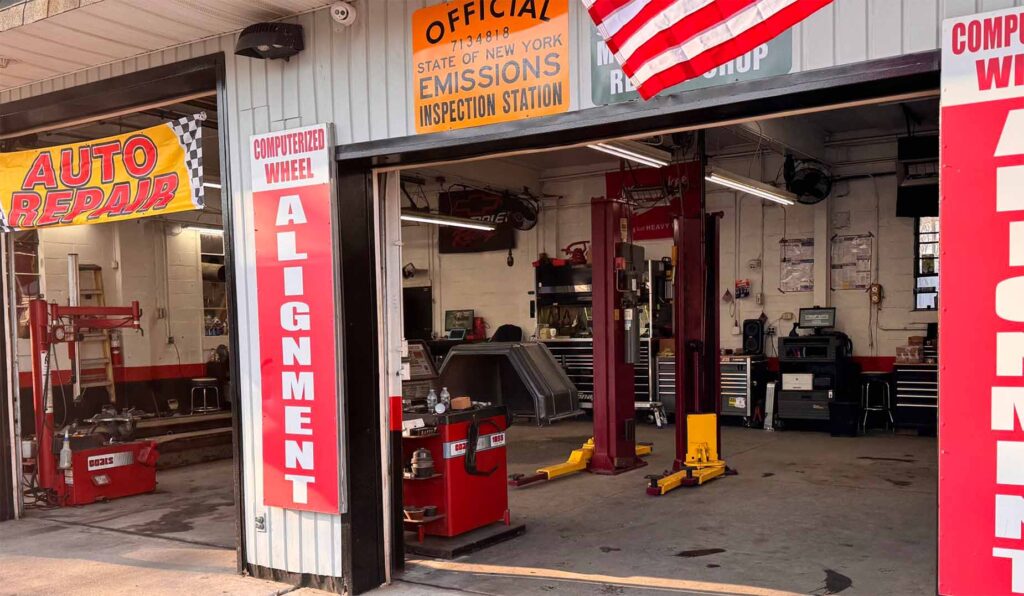

Your vehicle relies on several interconnected systems to function properly. From wheel alignment & balancing to fuel system repair and especially alternator repair & replacement, each service plays a vital role in keeping your car safe, efficient, and reliable. Among these, the alternator is often overlooked until it fails—but recognizing the warning signs early can save you from costly breakdowns.
What the Alternator Does
The alternator is the powerhouse of your car’s electrical system. It generates electricity while the engine runs, keeping the battery charged and supplying power to lights, electronics, and accessories. Without a functioning alternator, your battery drains quickly, headlights dim, and eventually, the car stalls. Unlike the battery, which stores energy, the alternator continuously produces electricity, making it indispensable for daily driving.
Signs Your Alternator Is Failing
1. Dim or Flickering Lights
Headlights and dashboard lights that dim or flicker are often the first signs of alternator trouble. This happens because the alternator cannot provide consistent voltage.
2. Dead Battery
If your battery keeps dying despite being new, the alternator may not be charging it properly. Many drivers mistakenly replace the battery when the real culprit is the alternator.
3. Strange Noises
Grinding or whining sounds from the engine bay can indicate worn alternator bearings. Ignoring these noises can lead to complete alternator failure.
4. Electrical Failures
Power windows, radio, or air conditioning may stop working when the alternator struggles. Since these systems rely on electricity, a weak alternator disrupts their performance.
5. Warning Light
Most vehicles have a battery-shaped warning light that illuminates when charging issues occur. This is a clear signal to have your alternator tested.
Alternator Repair & Replacement
Professional alternator repair & replacement restores your vehicle’s electrical reliability. Depending on the damage, technicians may replace worn bearings, brushes, or voltage regulators. In severe cases, a full replacement ensures long-term performance.
Benefits of Timely Alternator Service
- Prevents roadside breakdowns
- Protects battery life
- Ensures reliable electrical systems
- Improves overall vehicle safety
Role of Fuel System Repair
While alternator issues affect electricity, fuel delivery problems can mimic similar symptoms. A clogged injector or faulty fuel pump may cause stalling, poor acceleration, or difficulty starting. Professional fuel system repair ensures clean fuel delivery, maximizing efficiency and preventing engine damage.
Importance of Wheel Alignment & Balancing
Even though unrelated to electricity, wheel alignment & balancing plays a crucial role in overall vehicle health. Misaligned wheels cause uneven tire wear, poor handling, and reduced fuel economy. Balanced wheels prevent vibrations that can stress suspension and steering components.
How These Services Work Together
- Alternator repair & replacement keeps electrical systems running.
- Fuel system repair ensures consistent power delivery.
- Wheel alignment & balancing maintains stability and efficiency.
Neglecting one system often strains the others. For example, poor alignment increases rolling resistance, forcing the alternator and fuel system to work harder.
Preventive Maintenance Tips
- Test alternator output during routine service visits.
- Replace fuel filters as recommended by your manufacturer.
- Schedule wheel alignment every 6,000–10,000 miles.
- Address minor issues promptly to avoid major repairs.
FAQ
Q: How long does an alternator last? A: Most alternators last 80,000–150,000 miles, depending on driving conditions.
Q: Can a bad alternator drain a battery? A: Yes, if the alternator fails to charge properly, the battery will drain quickly.
Q: How often should I check wheel alignment? A: Every 6,000–10,000 miles or after hitting potholes or curbs.
Q: What are the signs of fuel system problems? A: Poor acceleration, rough idling, and difficulty starting are common indicators.
Q: Is alternator repair cheaper than replacement? A: Minor repairs are cheaper, but severe damage often requires full replacement for reliability.
Final Thoughts
Recognizing the signs of alternator failure early can save you from unexpected breakdowns. Professional alternator repair & replacement, combined with regular fuel system repair and wheel alignment & balancing, ensures your vehicle remains safe, efficient, and dependable. By investing in preventive maintenance, you extend your car’s lifespan and enjoy worry-free driving.