
Winter doesn’t have to mean a dull, lifeless garden. With the right planning and care, your outdoor space can stay vibrant and full of life, even when temperatures drop. From choosing the right plants to protecting them from the cold, there are simple strategies that can help your garden thrive through the chilly months.
Which Plants Can Survive Winter?
Not all plants are cut out for winter weather. While many summer flowers fade away, some hardy varieties can bloom even in the cold. Look for plants labeled as frost-tolerant or cold-hardy. Examples include pansies, hellebores, camellias, and certain types of evergreen shrubs. These plants not only survive frost but can also provide color and texture when most other plants are dormant.
Winter Season Flower: Stunning Blooms to Celebrate the Winter Garden
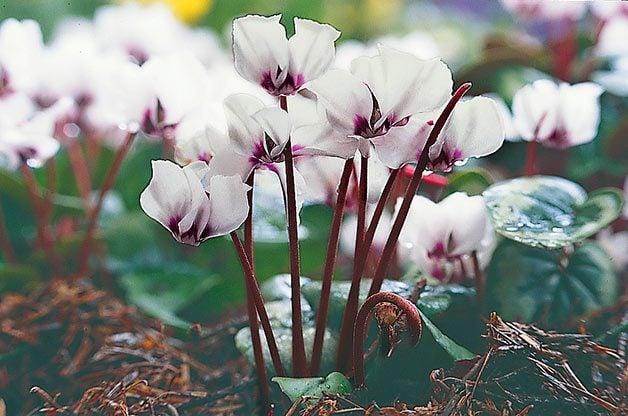
A winter season flower is any flower that blooms during the colder months, typically from late fall through early spring. These flowers are specially adapted to withstand frost and shorter daylight hours. Popular winter flowers in the US include cyclamen, snowdrops, and ornamental kale. Adding these flowers to your garden ensures there’s always a pop of color, even in the heart of winter.
Should You Water Plants in Winter?
Yes, but carefully. Many people assume that plants don’t need water during winter, but they still do, especially if there is no rainfall. Water your garden in the morning so that moisture has time to absorb before temperatures drop at night. Avoid overwatering, as soggy soil can freeze and damage roots.
How Do You Keep Soil Healthy in Winter?
Soil health is key to keeping your garden blooming. Even in winter, nutrients can be lost or compacted. Adding organic compost or well-rotted manure helps maintain fertility and improves soil structure. You can also rotate crops or plant cover crops to replenish nutrients and protect the soil from erosion.
Can Garden Design Make a Difference in Winter?
Absolutely. Thoughtful garden design can enhance winter interest. Use evergreens to provide structure and visual appeal. Plant shrubs with colorful stems or berries, and consider layering plants of different heights and textures. This way, your garden doesn’t just survive winter, it stands out.
How Do You Encourage Early Blooming?
For an early start in spring, plan ahead in winter. Some bulbs, like tulips and daffodils, need to be planted in late fall to bloom in early spring. Chilling certain seeds before planting can also encourage faster germination. By preparing your garden during winter, you can enjoy a seamless transition into a blooming spring.
What Are Easy Maintenance Tips for Winter Gardening?
Winter gardening doesn’t have to be complicated. Even small, consistent actions can make a big difference in keeping your garden healthy, vibrant, and ready for spring. Here are some practical tips you can follow:
- Remove Dead Leaves and Debris: Clearing fallen leaves, dead plants, and garden debris prevents the spread of fungal diseases and pests. It also improves air circulation around plants, which is essential in cold, damp weather.
- Prune Trees and Shrubs: Winter is an ideal time to prune many trees and shrubs because they are dormant. Remove dead, damaged, or diseased branches to promote healthy growth in spring.
- Check Container Plants: Containers and pots can freeze more easily than garden beds, so ensure they have good drainage to prevent waterlogging and root rot. You can also insulate pots using bubble wrap or move them to a sheltered location, like a garage or porch, during extreme cold.
- Mulch for Protection: Apply a layer of organic mulch around the base of plants to help regulate soil temperature, retain moisture, and suppress weeds. Mulch also acts as an extra layer of protection for roots against frost.
- Water Wisely: Even in winter, plants need water, especially evergreens and newly planted shrubs. Water during the warmer parts of the day so the soil absorbs moisture before nighttime freezing. Avoid overwatering, as icy soil can damage roots.
With these easy maintenance tips, your garden can stay healthy and attractive all winter long. Regular attention, even in small doses, ensures your plants survive the cold months and are ready to flourish when spring arrives.
Are Indoor Plants Helpful in Winter?
Yes! Indoor plants can complement outdoor winter gardening. Some cold-sensitive plants can be moved indoors to protect them from frost. Houseplants also add greenery and can be a testing ground for winter flower varieties before they are planted outside. Consider plants like cyclamen or Christmas cactus for indoor winter color.
Conclusion
Keeping your garden blooming through winter is easier than you might think. By choosing hardy plants, protecting them from frost, maintaining soil health, and planning ahead, your outdoor space can stay lively and colorful, even in the coldest months. Whether you’re adding winter season flowers or adjusting your garden layout, small actions can make a big difference.
When you want expert advice and tools to make winter gardening easier and more enjoyable, The Garden AI offers guidance to help your garden thrive year-round. Remember, with the right strategies, your garden can be a source of beauty, even in winter.