
Introduction
Welcoming a fluffy feline into your home is an incredibly rewarding experience. Those majestic coats are absolutely stunning, but any pet parent quickly realises that keeping all that fur looking pristine requires serious commitment. Without a solid routine, those beautiful locks can quickly turn into a tangled, painful mess. For many cat owners, the initial sticker shock of professional grooming services can be overwhelming. A single trip to a professional salon can easily cost upwards of a hundred bucks, and when your cat needs maintenance every few weeks, those expenses add up to a hefty sum over the year.
If you want to save your hard-earned dollars, learning how to groom a long-haired cat at home is a complete game changer. It might sound intimidating at first, especially if your feline friend has a bit of an attitude, but doing it yourself is entirely possible. By taking matters into your own hands, you not only keep your budget intact but also create an incredible opportunity to bond with your pet. When you approach the process with patience and the right mindset, what was once a stressful chore transforms into a relaxing spa day for your companion.
This comprehensive guide is designed to walk you through the entire process from start to finish. We are keeping it real and focusing on practical, price-conscious strategies that deliver professional-level results without the professional price tag. You will discover exactly what tools you need, how to build a deep sense of trust with your cat, and the most effective methods to keep their coat shining, healthy, and completely free of painful knots.
The Hidden Costs of Feline Coat Care
When we talk about the financial side of pet ownership, veterinary visits and high-quality food usually come to mind first. However, feline coat care is a massive hidden expense that catches many new cat owners off guard. Depending on where you live in the United States, a basic professional grooming session can range from seventy to over one hundred and fifty dollars. If your cat happens to be heavily matted, professionals will often tack on extra fees for the difficult dematting process or even require the cat to be shaved under mild sedation at the vet, which sends the bill skyrocketing.
By investing a little bit of your time and just a few dollars in the right tools, you can bypass these recurring costs completely. Long-haired cat grooming does not require a luxury salon. It simply requires consistency. When you make coat maintenance a regular part of your routine, you prevent the severe issues that lead to expensive professional interventions. Plus, frequent handling allows you to spot potential health issues like skin irritations, lumps, or fleas early on, saving you even more money on future vet bills. It is all about being proactive rather than reactive.
Budget-Friendly Tools for Grooming Fluffy Cats
You do not need to empty your wallet to get top-tier results. The pet store aisles are packed with expensive gadgets promising miracle results, but the truth is, grooming fluffy cats only requires a few basic, high-quality items. Your first essential tool is a stainless steel greyhound comb. This inexpensive tool is the absolute workhorse of your grooming kit. It reaches all the way down to the skin to catch hidden tangles that brushes simply glide over. You can easily find a durable metal comb online or at a local pet store for less than ten dollars, giving you the best bang for your buck.
Next, you will want to pick up a slicker brush. This brush features fine wire bristles that do an excellent job of grabbing loose undercoat fur and smoothing the topcoat. A basic slicker brush is highly affordable and will last for years if cared for properly. For those times when your cat is shedding heavily, a deshedding tool or undercoat rake can be a helpful addition, though it is not strictly necessary if you are diligent with your metal comb. Remember, the goal is not to buy every tool on the market, but rather to use a few affordable tools correctly and consistently.
Building Trust and Setting a Calm Vibe
One of the biggest hurdles pet parents face is a cat that simply refuses to cooperate. Cats are notorious for calling the shots, and if they feel stressed or forced, they will lash out or hide under the bed. Building trust is the cornerstone of successful at-home grooming. You have to convince your cat that the brush is a friend, not a foe. Start by leaving your grooming tools out on the floor or the couch. Let your cat sniff them and rub their face on them and realise these strange objects are completely harmless.
When you are ready to begin, pick a time when your cat is already relaxed, perhaps after a meal or a long nap. Start with just a few gentle strokes of the comb on their favourite spots, like the back of the neck or the chin. Immediately reward them with a high-value treat or a small piece of plain boiled chicken. Keep these initial sessions incredibly short, lasting maybe only thirty seconds to a minute. Over time, as your cat associates the tools with tasty rewards and gentle affection, you can gradually increase the length of the sessions. Patience is your best asset here, and respecting their boundaries will pay off massively in the long run.
Mastering Core Cat Brushing Techniques
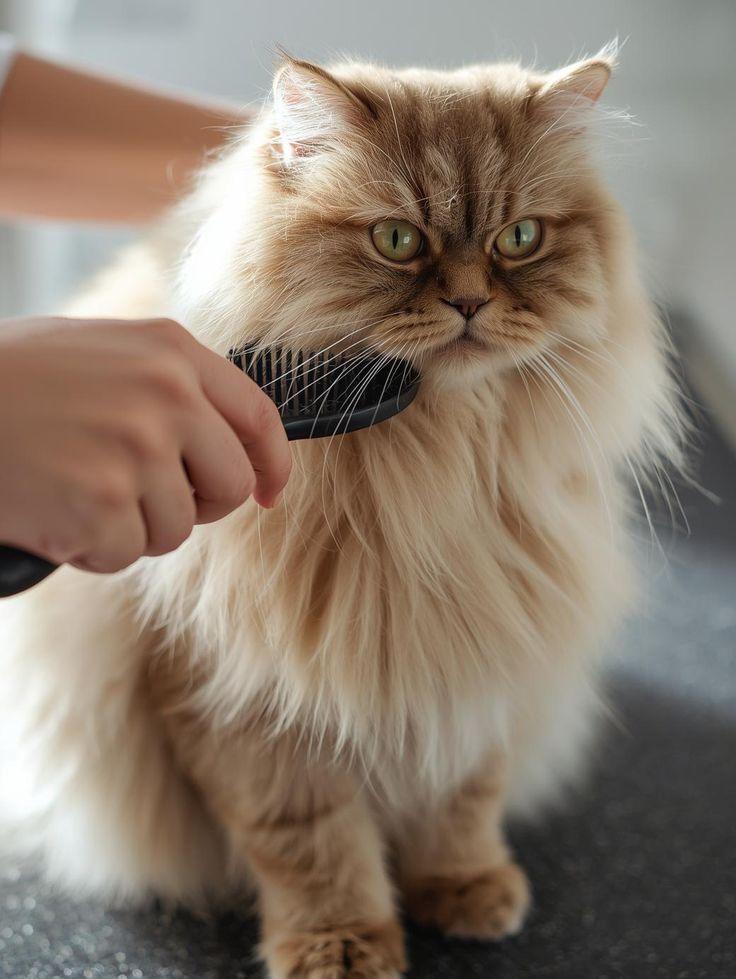
Having the right tools is only half the battle; knowing how to use them is where the real magic happens. Many people make the mistake of just skimming the top layer of the fur with a brush. While this makes the cat look nice temporarily, it leaves the dense undercoat completely untouched, which is exactly where painful mats begin to form. To prevent this, you need to utilise proper cat brushing techniques, the most effective of which is called line brushing. This technique ensures that you are grooming the entire depth of the coat, right down to the skin.
To perform line brushing, use one hand to push your cat’s fur upward, exposing a visible line of skin. Take your metal comb or slicker brush and gently pull the fur down, a small section at a time, starting from the bottom of the cat and working your way up to their back. This methodical approach allows you to detect and address small tangles before they grow into unmanageable knots. Always brush in the direction the hair grows to avoid causing your cat any discomfort. It takes a little practice to get the hang of it, but once you do, line brushing becomes second nature.
The Core Routine for Your Fluffy Friend
Establishing a predictable routine is the secret to maintaining a gorgeous coat without any stress. Consistency is what keeps the tangles at bay and keeps your wallet safe from emergency groomer visits. Understanding how to groom a long-haired cat relies entirely on catching loose fur before it has the chance to weave itself into a solid knot. For a long-haired breed, you should ideally be running a comb through their fur every single day. Even just five minutes of focused combing each evening while you are watching television can make a world of difference.
During this daily routine, pay special attention to the high-friction areas. The armpits, the belly, behind the ears, and the base of the tail are the prime real estate for mats. These areas experience the most movement and rubbing, causing the fine undercoat hairs to twist together. Because these spots are also highly sensitive, approach them with extreme care. If your cat gets fussy, do not force the issue. Simply take a break, offer a treat, and try again later. By making this a daily habit, the amount of loose fur is kept to a minimum, and the process remains quick and painless for both of you.
Strategies for Preventing Matting in Cats
Mats are the ultimate enemy of a long-haired cat. They are not just an aesthetic issue; they are a serious health concern. When fur becomes severely matted, it pulls tightly on the cat’s delicate skin, causing constant pain and restricting their movement. In severe cases, mats can restrict blood flow or trap moisture and bacteria against the skin, leading to painful infections. Therefore, preventing matting in cats should be your number one priority when managing their coat. Prevention is always cheaper, safer, and less stressful than trying to fix a matted mess later.
Beyond daily line brushing, you can prevent mats by keeping your home environment relatively cool and dry. High humidity can cause fluffy coats to clump together more easily. Additionally, be mindful of static electricity during the dry winter months, which can cause flyaways and tangles. You can lightly mist your cat’s brush with water or a heavily diluted, cat-safe conditioning spray to reduce static while brushing. Never apply human hair products to your cat, as the pH levels are completely different and many human ingredients are highly toxic to felines.
Tackling Tangles Without High Vet Bills
Despite your best efforts, you will eventually encounter a tangle or a small mat. It happens to the best of us. When you find a knot, the most important rule is to stay calm and never reach for the scissors. Cat skin is incredibly thin and pliable, and it is dangerously easy to accidentally snip the skin while trying to cut out a mat. A laceration requires an immediate trip to the veterinarian for stitches, which totally defeats the purpose of trying to save money on grooming.
Instead of cutting, use your fingers to gently pull the mat apart from the outside in. You can rub a tiny pinch of cornflour into the knot to help lubricate the hair shafts, making it easier to untangle. Hold the fur securely at the base near the skin so that when you gently pick at the mat with the end of your metal comb, you are not pulling on the cat’s skin. Work slowly and patiently. If the mat is completely solid and resembles felt, you may need to invest in a pair of pet-safe electric clippers to safely shave it out. A cheap pair of clippers are still far less expensive than a professional dematting fee.
Bathing Your Cat Without the Drama
Contrary to popular belief, most cats do not need regular baths. They are meticulous groomers and spend a large portion of their day cleaning themselves. However, long-haired cats occasionally need a little extra help, especially if they have gotten into something sticky, if they are older and cannot reach their back end, or if they have had a litter box mishap. Bathing a cat can be a chaotic experience, but with the right preparation, you can keep the drama to an absolute minimum and protect yourself from getting scratched.
Preparation is everything. Before you even turn on the water, brush your cat thoroughly. Water acts like glue on loose fur and tangles, turning minor knots into impossible mats. Gather all your supplies beforehand: a cat-specific shampoo, several large towels, and a plastic cup for rinsing. Place a rubber mat or a folded towel in the bottom of your sink or tub so your cat has traction; a slippery surface instantly triggers panic. Use lukewarm water, and speak to your cat in a soothing, calm voice throughout the process. Avoid getting water in their ears and eyes. Afterward, towel-dry them as much as possible and keep them in a warm, draught-free room until they are completely dry.
Handling Paws, Claws, and Ears
A complete grooming session involves more than just brushing the fur. Nail trimming is a crucial aspect that saves your furniture and prevents the cat’s claws from painfully growing into their paw pads. You can purchase a basic pair of cat nail clippers for a few dollars. Gently press on your cat’s paw pad to extend the claw, and simply snip off the sharp, translucent tip. Be very careful to avoid the quick, which is the pink part of the nail that contains blood vessels and nerves. If your cat is squirmy, try trimming just one or two nails a day until the job is done.
Ear cleaning is another quick task that prevents costly vet visits down the line. Check your cat’s ears weekly for dirt, wax buildup, or a foul odor, which could indicate an ear infection or ear mites. To clean them, dampen a odour,n ball with a vet-approved feline ear cleaner and gently wipe out the visible parts of the inner ear. Never insert a cotton swab into the ear canal, as a sudden movement could cause severe damage to their eardrum. Keeping the ears clean and the nails blunt ensures your cat is comfortable from head to toe.
The Impact of Diet on Feline Coat Care
It is easy to assume that a beautiful coat is solely the result of good brushing, but the reality is that true coat health starts from the inside out. The food your cat eats plays a massive role in the texture, shine, and strength of their fur. If you are struggling with excessive shedding, dandruff, or a dull, brittle coat, the cheapest and most effective fix might simply be an upgrade to their daily diet. A healthy diet reduces the amount of topical grooming work you have to do, saving you time and energy.
Look for cat foods that are rich in omega-3 and omega-6 fatty acids. These essential nutrients nourish the skin and promote a luxuriously soft topcoat while minimizing excessive undercoat shedding. You do not necessarily have to buy the most expensive boutique brand on the market. Many mid-range, budget-friendly cat foods offer excellent nutritional profiles. Alternatively, you can talk to your vet about adding a simple, inexpensive fish oil supplement to their regular meals. A well-hydrated, well-fed cat naturally produces the healthy skin oils needed to keep their long hair looking its absolute best.
Navigating Seasonal Shedding Blowouts
If you own a long-haired cat, you are well aware of the seasonal shedding events that happen every spring and fall. As the weather changes, your cat will shed their old coat to make way for the new one. During these blowout periods, it can feel like you are brushing a second cat out of their fur every single day. The tumbleweeds of hair drifting across your apartment floor can drive any pet pareitsazy, but this is a totally normal biological process.
During these times, you need to step up your brushing game. Transitioning from a quick daily comb to a more thorough twice-daily session will help manage the sheer volume of dead hair. This is the one time of year when investing a few extra dollars in a specialized deshedding rake can be highly beneficial. By manually removing the dead undercoat before it falls out, you prevent massive mats from forming on your cat and save your vacuumspecialisedom working overtime. Stay patient through the shedding season, knowing that it is temporary and your diligent work is keeping your cat comfortable.
How Pet Soul Care Supports Your Journey
At Pet Soul Care, we understand that managing your pet’s needs can sometimes feel like a daunting task, especially when you are trying to balance top-notch care with a realistic budget. We believe that every pet parent should have access to the knowledge and resources necessary to give their companions the best life possible, without the stress of overwhelming expenses. Our mission is to empower you with practical advice and trustworthy solutions that strengthen the incredible bond you share with your feline friend.
Whether you are navigating the challenges of maintaining a beautiful coat, searching for budget-friendly pet care strategies, or simply looking for ways to build a deeper connection with your cat, Pet Soul Care is here to guide you. We focus on providing actionable, sensible advice that respects your time and your wallet. By prioritizing prevention and at-home care, we help you avoid unnecessary stress and veterinary bills. You have what it takes to be an amazing pet parent, and we are proud to be a trusted part of your pet care journey.
Conclusion
Taking on the responsibility of maintaining a fluffy feline’s coat does not have to mean drainprioritisingk account at a luxury pet salon. By gathering a few simple, inexpensive tools and dedicating just a few minutes of your time each day, you can achieve beautiful results right in your own living room. The key lies in consistency, patience, and a willingness to learn your cat’s unique boundaries and preferences.
Remember that grooming is not just about aesthetics; it is a vital part of your cat’s overall health and well-being. Keeping them free of painful mats and tangles ensures they can move comfortably and live happily. More importantly, these quiet, daily moments spent gently brushing and rewarding your cat will build a profound level of trust and affection between the two of you. Embrace the process, stick to your routine, and enjoy the wonderful, money-saving journey of caring for your spectacular long-haired companion.