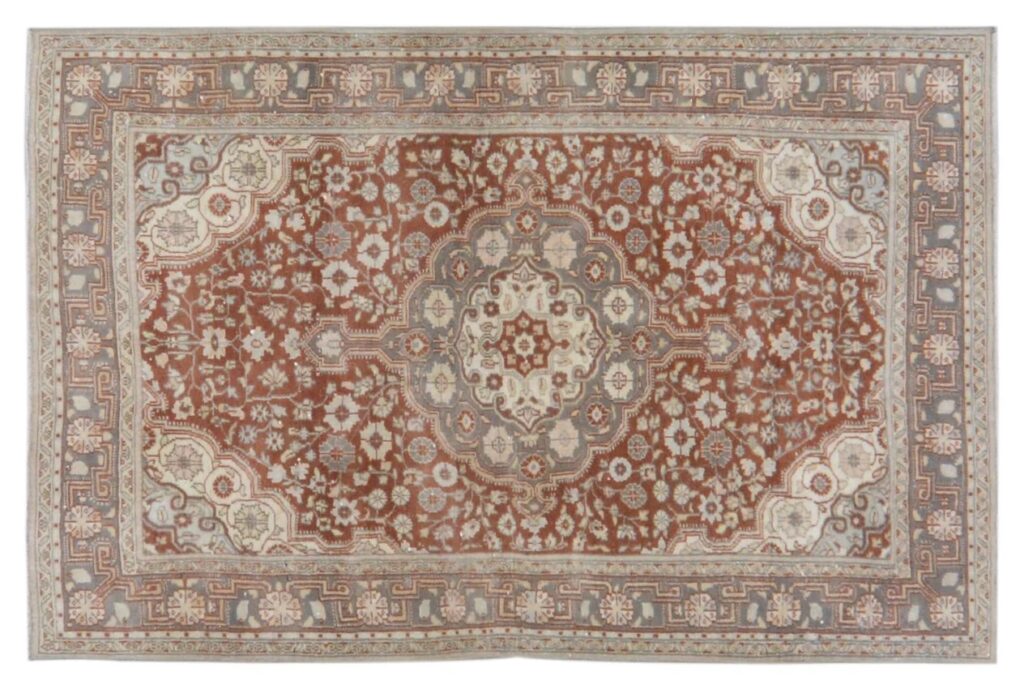

One of the most common decorating mistakes homeowners make is choosing the wrong rug size. Too small and your rug looks like a postage stamp floating in the middle of your room. Too large and it overwhelms the space. Getting the size right is the single most impactful decision you will make when shopping for a rug — and it is simpler than you think.
Start with the Room, Not the Rug
Before you browse, grab a measuring tape. Write down your room dimensions and the layout of your furniture. The rug size you need is determined by the furniture grouping you want to anchor, not the size of the room itself.
A common rule of thumb: leave 18 to 24 inches of bare floor between the rug edge and the walls. This creates a natural visual border and makes the room feel balanced.
Living Room Sizing Guide
In a living room, the rug should anchor the seating area. You have three approaches:
- All legs on: All furniture legs sit on the rug. This works best in large rooms with an 8×10 or 9×12 rug.
- Front legs on: Only the front legs of sofas and chairs touch the rug. This is the most popular approach and visually connects all furniture pieces.
- All legs off: The rug sits in the centre of the arrangement without touching furniture. Only works in very small rooms with a rug of at least 5×8.
For most standard living rooms, a Turkish rug in a 8×10 or 9×12 size provides the ideal balance of coverage and proportion.
Dining Room Sizing Guide
In a dining room, your rug must be large enough that chairs remain on the rug even when pulled out. Add at least 24 inches on all sides of your dining table to account for chair movement.
Example: A 36×72-inch dining table needs at least an 8×10 rug. A 48×96-inch table needs a 9×12 or larger.
Choosing a flat-weave or low-pile rug in this area makes it easier to slide chairs and simplifies cleaning after meals.
Bedroom Sizing Guide
Bedroom rug placement depends on bed size and room layout. The goal is to frame the bed, creating a soft landing for your feet in the morning.
- King bed: 9×12 centered under the bed, extending 2 to 3 feet on three sides
- Queen bed: 8×10 works beautifully
- Twin bed: A 5×8 placed beside or under the lower two-thirds of the bed
Alternatively, two matching runner rugs placed on either side of the bed create an elegant symmetrical look, especially with a patterned authentic rug as a centrepiece at the foot.
Hallways and Entryways
These narrow spaces call for runner rugs. As a guide, leave 3 to 6 inches of exposed floor on both sides of the runner. For hallways longer than 12 feet, consider layering two runners or selecting an extra-long custom cut.
Measuring Tips Before You Buy
- Always use painter’s tape to mark out the rug dimensions on your floor before purchasing.
- Photograph the taped outline from multiple angles to confirm it looks right.
- Account for rug pads, which add a small amount of height and can subtly shift furniture positioning.
Scale and Pattern
Beyond size, consider how the pattern scale interacts with your space. Large geometric patterns work best in open-plan rooms where the full design can be appreciated. Smaller, intricate motifs — the hallmark of fine Persian rugs — work beautifully in intimate settings like studies or bedrooms where you can appreciate the detail up close.
Conclusion
Choosing the right rug size is an exercise in proportion and intention. Measure carefully, visualize with tape, and always err on the side of going larger rather than smaller. A generously sized rug instantly elevates a space, making it feel curated, warm, and complete.