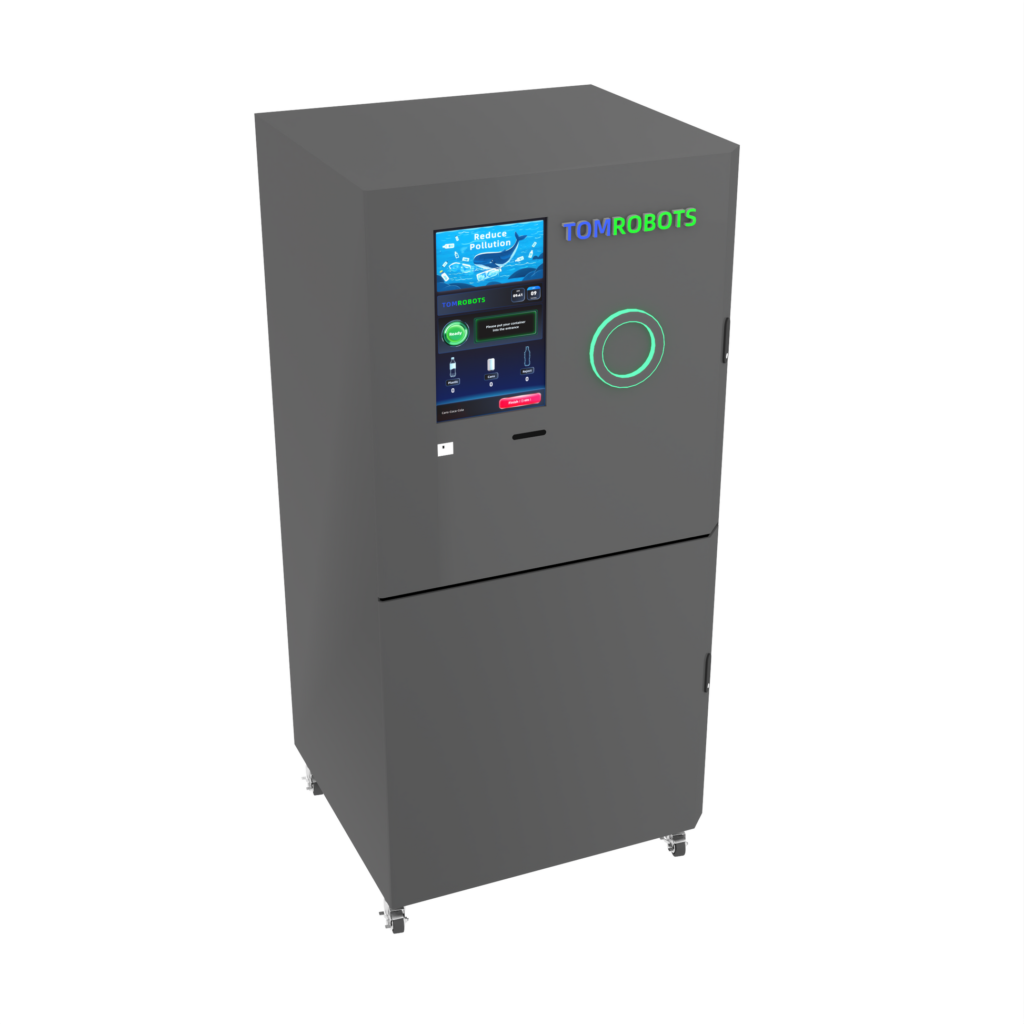

Picking the right recycling machine isn’t complicated once you know what to look for. Choosing plastic bottle recycling equipment comes down to your space, your budget, and how many bottles you deal with each day. Get it wrong, and you end up with a machine nobody uses. Get it right, and recycling becomes easy for everyone. There’s no single best machine for every situation. The right choice depends on where it goes and who will use it. Here’s what actually matters before you buy.
Figure Out Your Bottle Volume First
Every location is different. A small office break room sees a handful of bottles a day. A busy mall or train station sees hundreds, sometimes thousands. Machines come in different sizes for a reason. Buy one too small, and you’re emptying it constantly, which wastes staff time and annoys users. Buy one too big, and you’re wasting space and money on capacity you’ll never use. Look at your foot traffic before you pick a size. If you’re not sure, start by tracking how many bottles get thrown out in a normal week. That number tells you more than any sales brochure will.
Pick the Right Type for Your Space
A plastic reverse vending machine takes in a bottle, checks it, then stores or crushes it. Some machines crush bottles right away to save room inside. Others just collect them whole, which fills up quicker but works fine for quieter spots. Crushing machines cost more up front but need emptying less often, which can save money over time. Whole-bottle machines are simpler and usually cheaper to repair. Think about how much floor space you actually have too. A large crushing unit might not fit in a narrow hallway or a tight retail corner.
Make Sure It Sorts Properly
Not every machine can handle every kind of plastic. Some only take PET bottles. Others sort several plastic types at once, separating them into different bins automatically. If your location collects a mix of recyclables, get a machine with good sorting sensors. A machine that can’t tell plastics apart jams up or rejects good bottles, and that annoys people fast. Poor sorting also means more manual work later, since staff have to separate materials by hand before they can be processed properly.
Think About Rewards for Users
A lot of public machines give something back, like a coupon, points, or a bit of cash. That small reward gets more people to actually use the machine instead of the trash can. If you want people to engage, look for a plastic bottle recycling machine with rewards built in, not just a plain storage bin. Rewards don’t need to be large to work. Even something small, like a few points toward a future purchase, is often enough to change behavior over time.
Ask About Maintenance Needs
Every machine needs upkeep. Someone has to empty bins, clean sensors, or swap out worn parts. A machine in a busy spot needs more attention than one in a quiet corner. Before buying, ask how often it needs servicing and whether help is available nearby. A broken machine with no support can sit unused for weeks, which defeats the purpose of having it at all. Ask the seller directly about average repair times and whether parts are easy to source locally.
Check How Well It’s Built
A machine sitting outside takes more punishment than one indoors. If it’s going outside, make sure it’s weatherproof and can handle rain, heat, or cold without breaking down. Check what the frame and moving parts are made of, since cheap materials wear out fast under daily use. Paying more for a sturdy machine now usually saves money later, since fewer breakdowns mean fewer repair bills and less downtime.
Measure Power and Space Needs
Some machines need a full power hookup. Smaller ones might run on battery, which gives more flexibility on where they can go. Measure the actual spot where it’ll go, including room for people to stand and use it comfortably. A machine that’s too big for the space just creates a bottleneck instead of a smooth experience. Check the dimensions before you order, not after it arrives.
See What Data It Tracks
Many machines today track how many bottles come through, which helps if you want to report on sustainability efforts. If that matters to you, ask if there’s a dashboard or a way to export the numbers for reports. Some machines even connect to an app, so staff can check bin levels remotely without walking over every time. This kind of tracking can also help you spot which locations need more frequent servicing.
Add Up the Real Costs
The price tag is just the start. Factor in maintenance, electricity, replacement parts, and any app or software fees tied to the machine. A cheap machine with high running costs can end up costing more over a few years than a pricier one built to last. Ask for the full cost picture before you decide, including what happens once the warranty runs out.
Match It With Your Goal
A school teaching kids about recycling has different needs than a mall trying to cut down on waste at scale. Decide your main goal first, whether that’s education, convenience, rewards, or just reducing trash. That goal should guide your choice, not just the price tag on the machine.
Final Thoughts
Choosing the right equipment means looking past the price and thinking about how many bottles you get daily, how much space you have, what upkeep you can handle, and what you actually want the machine to do. A plastic bottle recycling machine that fits your specific spot works a lot better than the fanciest option out there. Compare a few models, ask about support, and match the features to your real goals before you buy. Tom Robots offers a range of machines built with exactly these choices in mind.