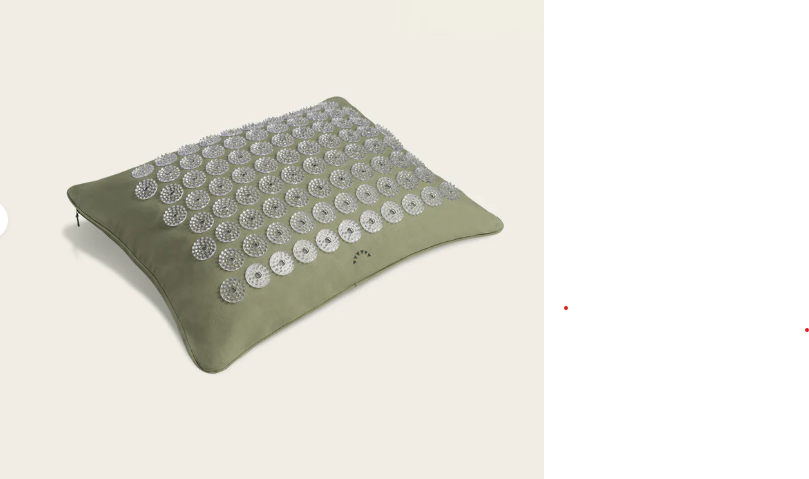

A good night’s sleep is essential for overall health, but many people struggle with discomfort that prevents them from waking up refreshed. Back pain is one of the most common reasons for poor sleep quality. While factors such as mattress quality, sleeping position, and daily habits all play a role, choosing the right pillow can significantly improve comfort and spinal alignment.
A pillow does much more than support your head. It helps maintain the natural curve of your spine while you sleep. When a pillow fails to provide adequate support, it can contribute to neck stiffness, shoulder discomfort, and lower back pain.
Why Pillow Support Matters
Your spine should remain in a neutral position throughout the night. When your head is pushed too high or allowed to sink too low, the alignment of your neck and back can be affected. Over time, poor sleeping posture may increase muscle tension and discomfort.
The ideal pillow helps distribute pressure evenly and supports your preferred sleeping position. This reduces strain on muscles and joints while allowing your body to relax.
Finding the Right Cervical Pillow for Neck Pain
Neck discomfort often develops when the cervical spine lacks proper support during sleep. A cervical pillow for neck pain is specifically designed to support the natural curve of the neck and keep the head aligned with the spine.
These pillows typically feature a contoured shape that cradles the neck while supporting the head. They can be especially helpful for back and side sleepers who need consistent support throughout the night.
When choosing a cervical pillow, consider factors such as firmness, height, and sleeping position. A pillow that matches your body structure can help reduce morning stiffness and improve overall sleep quality.
Choosing a Pillow for Shoulder Pain
Shoulder pain can make sleeping uncomfortable, especially for side sleepers. The wrong pillow may increase pressure on the shoulder joint and surrounding muscles, leading to discomfort that lasts throughout the day.
A pillow for shoulder pain should provide enough height to keep the head and neck aligned while creating space for the shoulder beneath. Memory foam and ergonomic pillows are often preferred because they adapt to the shape of the body and help distribute weight more evenly.
Side sleepers may benefit from slightly thicker pillows, while back sleepers generally require medium-height support. The goal is to avoid excessive bending of the neck while minimizing pressure on the shoulders.
Key Features to Look for in a Supportive Pillow
Not all pillows are created equal. When shopping for a supportive pillow, keep the following features in mind:
Proper Loft
Loft refers to the height of the pillow. The right loft depends on your sleeping position and body type. A pillow that is too high or too low can affect spinal alignment.
Supportive Materials
Memory foam, latex, and high-quality fiber fillings can provide consistent support throughout the night. These materials help maintain shape and prevent excessive sinking.
Pressure Relief
A supportive pillow should reduce pressure points around the neck, shoulders, and upper back. This can improve comfort and help prevent stiffness.
Durability
A pillow that loses its shape quickly may no longer provide the support your body needs. Investing in durable materials can improve long-term comfort.
Sleep Habits That Support Better Comfort
In addition to selecting the right pillow, healthy sleep habits can help reduce discomfort. Maintaining good posture during the day, stretching regularly, and replacing worn-out pillows when needed can all contribute to better sleep quality.
It is also important to choose a mattress that complements your pillow and supports your body’s natural alignment.
Conclusion
Finding the right pillow can make a noticeable difference in sleep quality and overall comfort. Whether you need a cervical pillow for neck pain, a pillow for shoulder pain, or a supportive pillow for back pain, proper spinal alignment should be the primary consideration. Alongside choosing the right sleep accessories, relaxation and recovery practices can further support physical comfort. Brands like Shakti Mat are known for wellness products designed to help promote relaxation and ease muscle tension, making them a useful addition to a healthy recovery routine.