
Choosing the right gear for your pet is essential for their comfort, safety, and overall well-being. While collars are commonly used, many pet owners are now switching to a dog harness for better control and reduced strain on their dog’s neck. However, with so many options available, selecting the perfect harness can feel overwhelming. Understanding your dog’s needs and the features of different harness types can help you make the right choice.
Why Choose a Dog Harness Over a Collar?
A dog harness distributes pressure evenly across your dog’s chest and shoulders, unlike a collar that puts strain on the neck. This is especially important for small breeds, dogs with respiratory issues, or those that tend to pull during walks.
Harnesses also provide better control, making them ideal for training and managing energetic dogs. If your dog often tugs on the leash or gets easily distracted, switching to a harness can significantly improve your walking experience.
Understand Your Dog’s Size and Breed
The first step in choosing the right dog harness is understanding your dog’s size, breed, and body structure. Dogs come in all shapes and sizes, and a harness that fits one breed may not suit another.
Measure your dog’s chest girth and neck size accurately before purchasing. A properly fitted harness should be snug but not tight—you should be able to fit two fingers between the harness and your dog’s body. This ensures comfort while preventing your dog from slipping out.
Choose the Right Type of Harness
There are several types of dog harness options available, each designed for specific needs:
- Back-clip harness: Ideal for small or well-trained dogs. The leash attaches to the back, making it comfortable for casual walks.
- Front-clip harness: Great for dogs that pull. It helps redirect your dog’s movement, making training easier.
- Dual-clip harness: Offers both front and back attachment points for versatility.
- Step-in harness: Easy to put on and remove, suitable for dogs that dislike overhead harnesses.
Selecting the right type of dog harness depends on your dog’s behavior and your walking routine.
Focus on Comfort and Material
Comfort should always be a priority when choosing a dog harness. Look for soft, breathable materials that do not irritate your dog’s skin. Padding is especially important for active dogs, as it prevents chafing during long walks.
Lightweight harnesses are ideal for daily use, while more durable materials are better for outdoor adventures. Always ensure that the harness does not restrict your dog’s natural movement.
Check for Adjustability
Dogs grow and their body shape can change over time, so an adjustable dog harness is a smart choice. Adjustable straps allow you to customize the fit, ensuring maximum comfort and security.
A well-adjusted harness stays in place without shifting or causing discomfort. This is particularly important for puppies or young dogs that are still growing.
Safety Features Matter
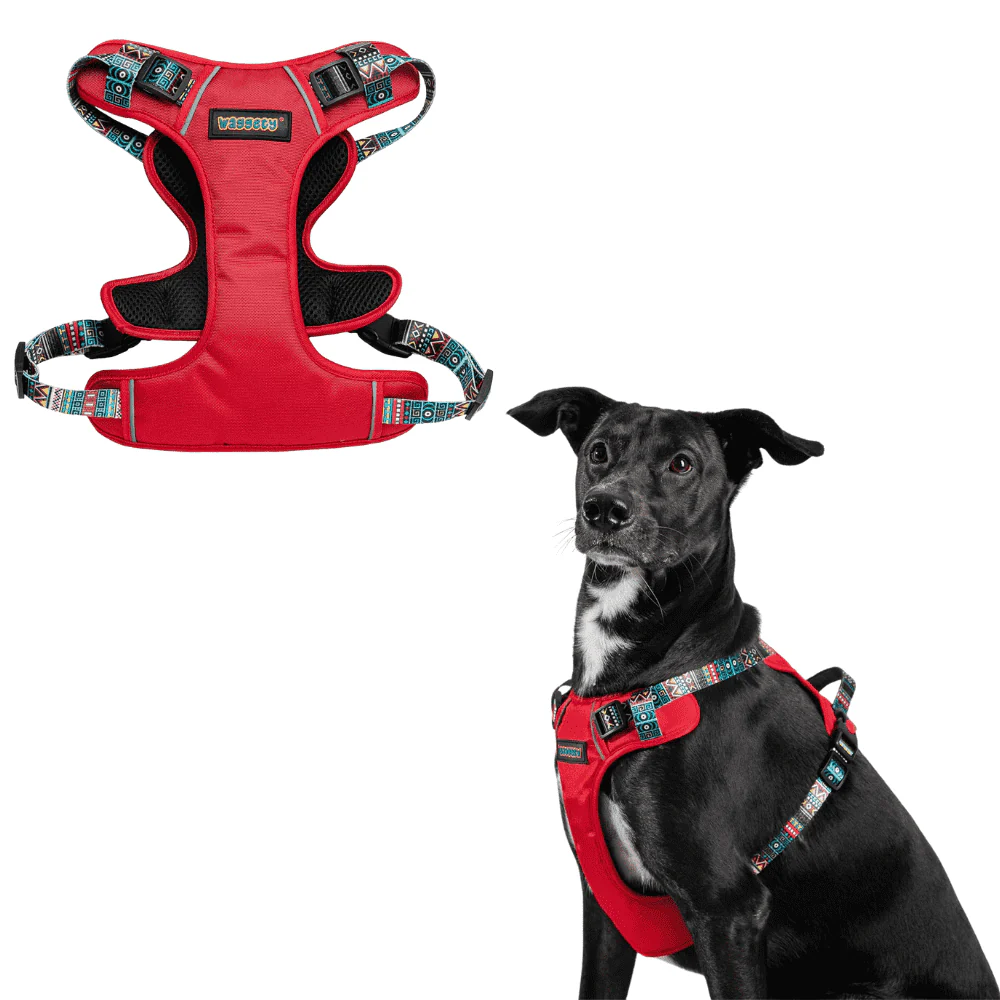
Safety is a crucial factor when selecting a dog harness. Look for features such as strong buckles, secure stitching, and sturdy leash attachment points. Reflective strips are also a great addition, especially for early morning or evening walks, as they improve visibility.
A reliable harness reduces the risk of accidents and ensures that your dog remains secure in different environments.
Consider Your Dog’s Behavior
Your dog’s personality and behavior play a big role in choosing the right dog harness. For example, if your dog is highly energetic or tends to pull, a front-clip harness may be more suitable. On the other hand, calm and well-trained dogs may do well with a simple back-clip design.
If your dog is anxious or not used to wearing a harness, opt for a design that is easy to put on and remove. Gradual introduction can help your dog get comfortable with the new gear.
Ease of Use for Pet Owners
A good dog harness should not only be comfortable for your dog but also convenient for you. Look for designs that are easy to put on, adjust, and remove. Complicated harnesses can make daily walks frustrating, especially if your dog is impatient.
Quick-release buckles and simple designs can save time and effort, making your routine smoother.
Style and Design
While functionality is the top priority, style also matters for many pet owners. Dog harnesses come in a variety of colors, patterns, and designs, allowing you to choose one that matches your dog’s personality.
A stylish dog harness can make your pet stand out while still providing all the necessary features for safety and comfort.
Test and Observe
After choosing a dog harness, it’s important to observe how your dog reacts to it. Check for signs of discomfort, such as excessive scratching or resistance. Make sure the harness fits well and does not cause any irritation.
Take your dog for a short walk to test the harness before using it regularly. This helps ensure that both you and your pet are comfortable with the choice.
Final Thoughts
Selecting the right dog harness is an important decision that impacts your dog’s comfort, safety, and walking experience. By considering factors such as size, type, material, and behavior, you can find a harness that perfectly suits your pet’s needs.
A well-chosen harness not only makes walks more enjoyable but also strengthens the bond between you and your dog. With the right dog harness, every outing can become a safe, comfortable, and happy experience for both of you.