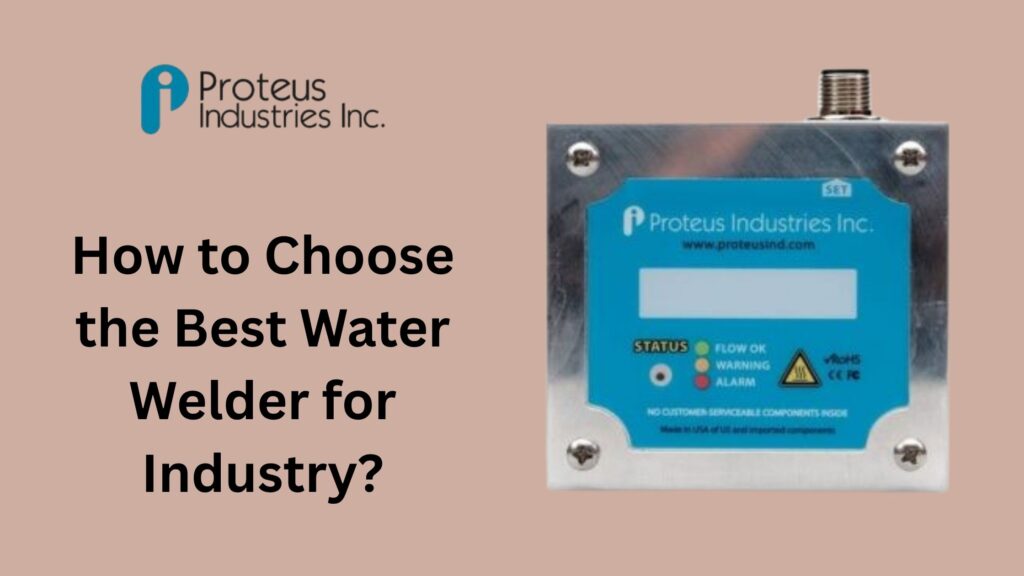

Industrial welding is a critical process used across sectors such as automotive, construction, and heavy manufacturing. These operations generate intense heat, which must be carefully managed to ensure equipment safety and consistent weld quality. Without proper cooling, welding systems can overheat, leading to equipment damage, reduced efficiency, and costly downtime.
This is where water welders play a vital role. By using water as a cooling medium, these systems help regulate temperature and maintain stable welding performance. However, choosing the best water welder for your industry is not easy. It requires careful consideration of several factors to ensure optimal performance, safety, and long-term value.
What Is a Water Welder?
Water welders are systems or setups that use water circulation to cool welding equipment during operation. They are designed to manage the heat generated during welding by absorbing it and dissipating it through a continuous water flow.
The basic working principle involves circulating water through welding guns, cables, and transformers. As the water flows, it absorbs heat and carries it away from critical components. This helps maintain a stable temperature, preventing overheating and ensuring consistent welding performance.
Key Factors to Consider When Choosing the Best Water Welder
Type of Application
Different industries have different welding requirements. Robotic welding systems, manual setups, and heavy-duty industrial operations all require specific types of water welders. Understanding your application helps in selecting the most suitable system.
Cooling Capacity
Cooling capacity is one of the most important factors to consider. The system must be able to handle the heat generated during welding. An underpowered system may lead to overheating and reduced performance.
Flow Rate and Pressure
Proper water flow and pressure are essential for effective cooling. The chosen water welder should provide consistent circulation to ensure efficient heat removal.
Compatibility with Equipment
The water welder must be compatible with your existing welding equipment, including welding guns, cables, and cooling systems. Proper compatibility ensures seamless integration and reliable performance.
Automation and Smart Features
Modern water welders come with advanced features such as PLC integration, temperature sensors, and automated controls. These features allow better monitoring and improve overall system efficiency.
Build Quality and Durability
Industrial environments require durable equipment. Choosing a water welder made from corrosion-resistant and high-quality materials ensures long-term performance and reliability.
Size and Scalability
It is important to select a system that meets your current needs while allowing for future expansion. Large operations may require scalable systems capable of supporting multiple welding stations.
Applications of Water Welders in Industry
Automotive Manufacturing
Water welders are widely used in automotive production lines, where robotic welding systems require continuous cooling.
Construction and Heavy Fabrication
In construction, these systems help manage heat during extended welding operations, improving safety and efficiency.
Shipbuilding and Marine Industry
Water welders are effective in marine environments, including underwater welding and ship maintenance.
General Manufacturing
Water welders support precision welding and mass production across various manufacturing industries.
Benefits of Choosing the Best Water Welder
Selecting the best water welder system offers several advantages. It improves cooling efficiency, ensuring that equipment operates within safe temperature limits. This helps extend the lifespan of welding components and reduces maintenance costs.
Better cooling also improves weld quality, resulting in stronger, more consistent joints. Additionally, the right system reduces downtime by preventing overheating and equipment failure, ultimately increasing productivity.
Common Mistakes to Avoid
One common mistake is choosing a system with insufficient cooling capacity. This can lead to overheating and poor performance. Another mistake is failing to consider compatibility with existing equipment, which may lead to integration issues.
Some businesses focus only on cost and choose cheaper systems without considering quality and performance. Overlooking maintenance requirements is another issue that can affect long-term efficiency. Avoiding these mistakes ensures that your water welder system performs effectively.
Installation and Maintenance Tips
Proper installation is essential for ensuring optimal performance. The system should be set up to allow efficient water flow and effective heat dissipation. Integrating the water welder with existing systems should be done carefully to avoid operational issues.
Regular maintenance is equally important. This includes monitoring water flow, checking temperature levels, and cleaning system components. Routine inspections help prevent problems such as blockages or leaks and ensure long-term reliability.
Why Choosing the Right Water Welder Matters?
Selecting the right water welding system is essential for achieving efficient, reliable welding operations. An inadequate cooling system may fail to handle the heat generated, resulting in equipment wear, inconsistent welds, and frequent breakdowns.
The right water welder improves productivity by allowing continuous operation without overheating. It also enhances weld quality by maintaining consistent temperatures, a crucial factor for producing strong, durable joints. Additionally, a properly chosen system contributes to workplace safety by reducing heat-related risks.
Conclusion
Choosing the best water welders for your industry is essential for ensuring efficient, safe, and high-quality welding operations. By considering factors such as cooling capacity, compatibility, and automation features, businesses can select a system that meets their specific needs. As industrial processes continue to evolve, the importance of reliable cooling solutions will grow. Investing in the right water welder not only improves productivity but also ensures long-term equipment protection and operational success.