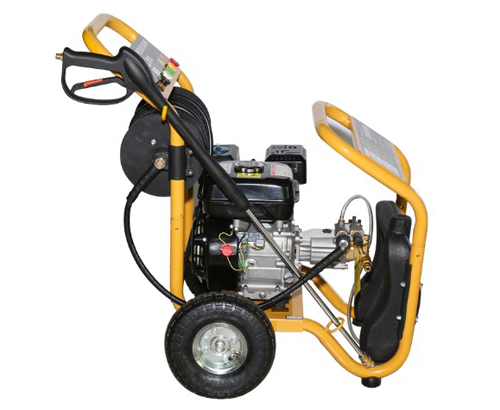

A vehicle-cleaning unit isn’t priced like a simple gadget. It’s a system with several cost levers working together. The energy source influences the drive spec, starter hardware, and how steadily the pump holds pressure under workload. Add wiring limits, water quality, and maintenance access, and quotes drift far apart for “similar” models. Smart buyers focus on engineering details, not just a headline figure. In this article, we will discuss the core technical reasons costs shift across power options and build quality.
Power type and the cost of starting under load
Electric models can be convenient, but they’re sensitive to supply quality and start-up demand. Single-phase options may need better cabling and protection to avoid trips, while three-phase units usually start cleaner and run more efficiently, but cost more upfront. Engine-driven sets add cost through fuel systems, vibration control, and heavier frames. When you compare car wash machine prices in Kenya, check voltage needs, starting current, and whether the package includes a proper starter, overload protection, and a stable regulator. Those parts decide reliability.
Drive build quality and why cheap ratings can mislead
Two units can look identical on the outside while ageing very differently. Copper windings, stronger bearings, and realistic duty-cycle ratings raise cost, yet they reduce failures when the pump is pushed hard. Moisture sealing matters too, because splashes don’t care about branding. If you’re hunting for a reliable car wash machine price in Kenya, look for clear specs on winding material, thermal cut-off, enclosure rating, and serviceability. My take: if it feels suspiciously cheap for its output, it’s usually built lighter than the label suggests.
Pump and accessory specs that change value fast
Many buyers compare only pressure, then wonder why results feel underwhelming. A better approach is to review the whole flow path, similar to how people evaluate carpet cleaning machine prices in Kenya by looking past a headline rating. Focus on:
1. Pressure and flow pairing, not one number alone
2. Pump head and seal quality for leakage control
3. Hose, gun, and nozzle durability since accessories fail early
4. Inlet filtration to protect against grit and sediment
Do this quick check, and you’ll avoid expensive “upgrade later” purchases.
Total cost of ownership and the supporting tools you’ll add
Real budgeting includes more than the main washer. Interior work often needs a vacuum, and the wet and dry vacuum cleaner price can reshape your setup plan if you want a complete service line. Also account for consumables, minor spares, and a stable water feed with basic filtration. Running dry or feeding abrasive water accelerates wear, even on premium builds. Think in operating months, not purchase-day hype, and you’ll choose a configuration that stays profitable.
Conclusion
Pricing changes aren’t random. They follow energy requirements, build quality, and the accessory package that determines usable performance. Verify start-up demand, duty rating, sealing, and pump hardware, and you can compare options logically, then avoid expensive downtime in practice consistently.
Metro Tools supports practical selection with clear buying advice, delivery support, and after-sales spare parts, so operators keep equipment running when hoses, seals, or protection components wear out. It’s a calmer way to budget, especially for repeat daily use operations.
Frequently Asked Questions
Question: Should I pick single-phase or three-phase for frequent use?
Answer: Three-phase typically delivers smoother starting and better efficiency if your site has access. Single-phase can still work well, but it demands correct wiring and protection to avoid nuisance tripping and overheating under repeated starts.
Question: What build details matter most for longevity?
Answer: Winding material, bearing quality, and a realistic duty-cycle rating are strong indicators. Moisture sealing and thermal cut-off protection also reduce failure risk. If specs are vague, assume the unit is intended for lighter use.
Question: How do I avoid paying for a unit that underperforms?
Answer: Check that pressure and flow are balanced for your use, and confirm accessory quality. Weak hoses, poor nozzles, and a lack of filtration cause early frustration. A short spec review usually saves more than chasing the lowest quote.