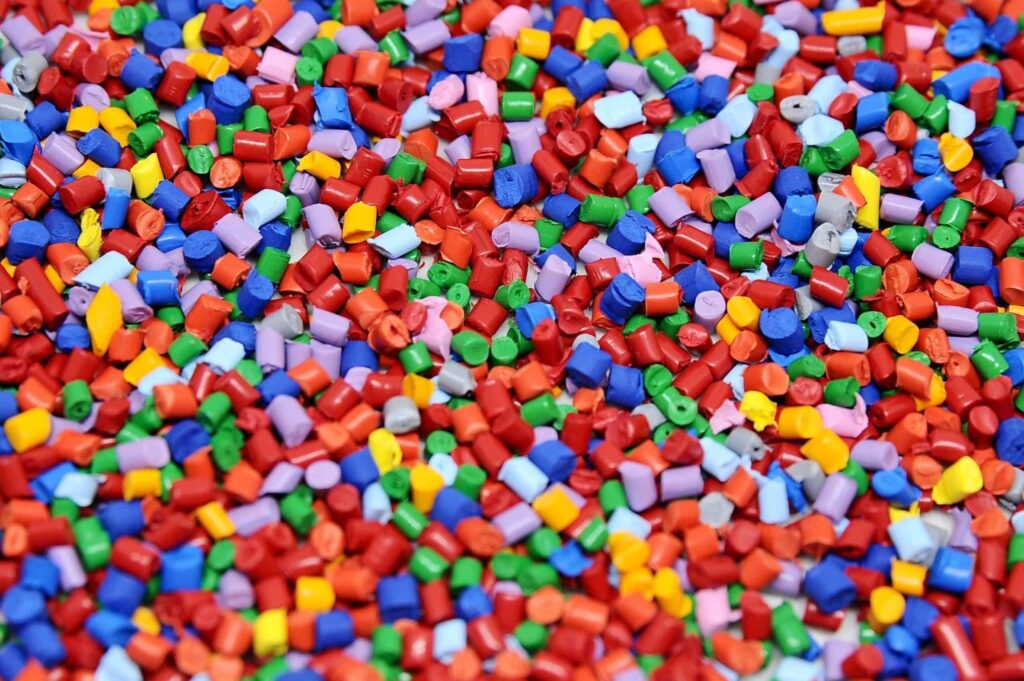

Plastic recycling has become one of the most important steps toward creating a cleaner and more resource-efficient future. As industries search for practical ways to reduce waste and conserve raw materials, innovative recycling solutions are gaining widespread attention. Among these, sustainable plastic granules are playing a significant role by giving discarded plastic a second life while maintaining quality and performance.
At RRAJ Bioplast, we believe that responsible manufacturing begins with smarter material choices. By converting plastic waste into high-quality granules, businesses can reduce their environmental impact without compromising on product durability or functionality.
The Growing Need for Smarter Plastic Recycling
Every year, millions of tons of plastic waste are generated across the world. While recycling has improved over the years, many challenges still exist, including contamination, inconsistent material quality, and limited reuse opportunities.
Modern recycling technologies are changing this scenario by transforming used plastic into reusable raw materials that can be incorporated into a wide variety of manufacturing processes. This approach helps reduce landfill waste while supporting more sustainable production practices.
What Makes Recycled Plastic Granules Valuable?
Recycled plastic granules are processed from carefully sorted and cleaned plastic waste. Advanced manufacturing techniques ensure that these granules meet industry standards for consistency, strength, and usability.
Manufacturers across multiple sectors choose recycled granules because they offer:
- Reduced dependence on virgin plastic materials
- Lower production costs
- Better resource efficiency
- Support for environmental sustainability
- Reliable performance for various industrial applications
These advantages make recycled materials an attractive option for businesses seeking both economic and environmental benefits.
Supporting the Circular Economy
One of the biggest transformations happening in the plastics industry is the shift toward a circular economy. Instead of treating plastic as a single-use material, manufacturers are increasingly focusing on keeping valuable resources in circulation for as long as possible.
This process typically involves:
- Collecting post-consumer and industrial plastic waste
- Sorting and cleaning recyclable materials
- Processing plastic into reusable granules
- Manufacturing new products from recycled materials
By extending the lifecycle of plastic, industries can significantly reduce waste generation while conserving natural resources.
Applications Across Multiple Industries
High-quality recycled granules are now widely used in numerous manufacturing sectors. Their versatility allows them to be converted into products that meet both commercial and industrial requirements.
Some common applications include:
Packaging Industry
Many packaging manufacturers use recycled materials to produce containers, bottles, caps, and protective packaging solutions.
Automotive Components
Several automotive parts, including interior trims and non-structural components, can be manufactured using recycled plastic materials.
Construction Sector
Plastic pipes, fittings, panels, and various building materials increasingly incorporate recycled content to improve sustainability.
Consumer Products
Household goods, storage containers, furniture, and utility products often utilize recycled plastic without sacrificing quality or durability.
Environmental Benefits
Using recycled plastic materials provides several long-term environmental advantages. Every batch of recycled granules helps reduce the demand for newly produced plastic, lowering energy consumption and greenhouse gas emissions associated with virgin polymer production.
Key environmental benefits include:
- Reduced landfill accumulation
- Lower carbon footprint
- Conservation of fossil fuel resources
- Reduced plastic pollution
- Improved resource utilization
These benefits contribute to cleaner ecosystems and encourage responsible manufacturing practices worldwide.
Quality Matters in Recycling
The success of recycled plastic products depends heavily on the quality of the granules used during manufacturing. Proper sorting, contamination control, and advanced processing technologies ensure consistent material properties that manufacturers can rely on.
At RRAJ Bioplast, quality remains at the center of every production stage. Our commitment to precision and innovation enables us to deliver recycled plastic solutions that meet the evolving needs of modern industries while supporting environmentally responsible production.
The Future of Sustainable Manufacturing
As governments, businesses, and consumers continue prioritizing environmental responsibility, recycled materials will play an even larger role in industrial production. Companies that adopt sustainable practices today are better positioned to meet future regulatory requirements and changing customer expectations.
Technological advancements in recycling are also improving the quality, consistency, and versatility of recycled plastic materials, making them suitable for an expanding range of applications.
Manufacturers are increasingly recognizing that sustainability is not just an environmental initiative—it is also a smart business strategy that improves efficiency, reduces costs, and strengthens brand reputation.
Conclusion
Plastic recycling is no longer simply about waste management; it has become a key driver of innovation and sustainable industrial growth. By converting discarded plastic into valuable raw materials, manufacturers can reduce environmental impact while maintaining product quality and performance.
As industries continue moving toward responsible production, sustainable plastic granules will remain an essential part of this transformation. At RRAJ Bioplast, we are committed to supporting this journey by delivering reliable, high-quality recycled plastic solutions that help businesses build a more sustainable future for generations to come.