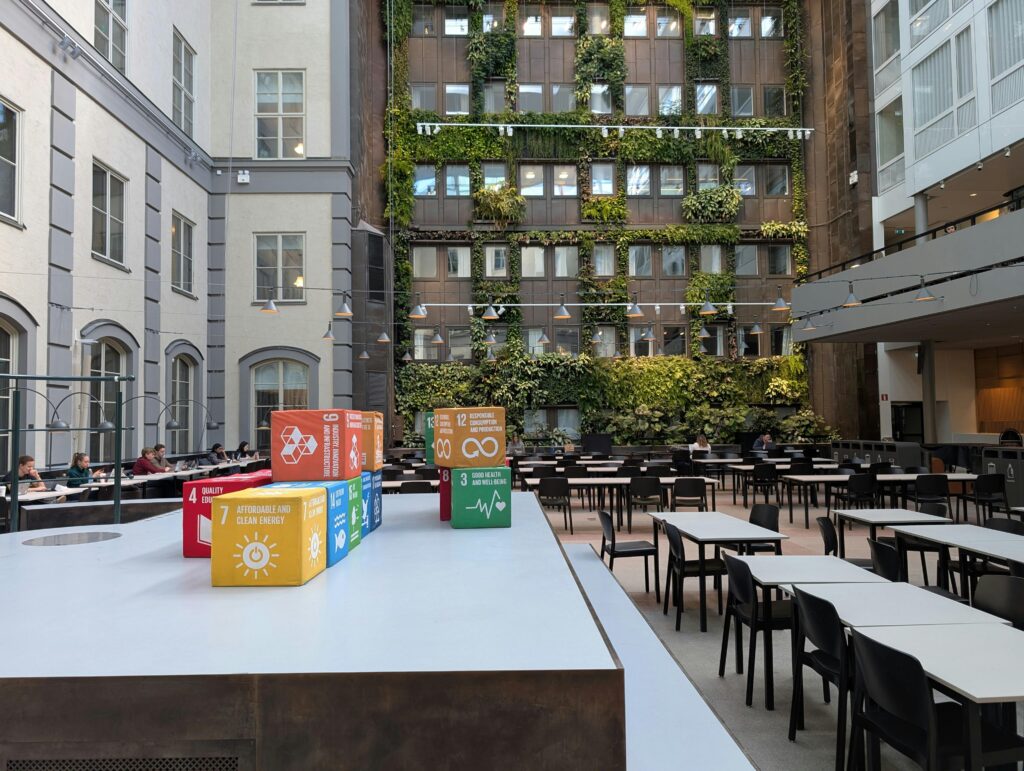

Sustainability is no longer a niche idea in the design world, it has become a guiding principle that shapes how modern interiors are planned, built, and lived in. Today’s homeowners and designers are thinking beyond appearance and focusing on long-term impact. Sustainable interior design is about creating spaces that are beautiful, functional, and responsible at the same time. It considers how materials are sourced, how energy is used, and how a space supports both people and the planet.
A Shift from Trend to Responsibility
In the past, sustainability was often treated as an optional feature, something “nice to have.” Now, it is an essential part of the design process. Modern interior design is shaped by growing awareness of environmental challenges and the need to reduce waste and energy consumption. This shift has encouraged designers to rethink choices that were once taken for granted, from materials and finishes to furniture and lighting.
Sustainable interior design focuses on longevity rather than short-lived trends. Instead of redesigning spaces every few years, designers aim to create interiors that remain functional and appealing over time. This approach reduces material waste and encourages thoughtful planning.
Sustainable Materials Make a Big Difference
One of the biggest ways sustainability shapes modern interiors is through material selection. Designers are choosing sustainable materials for interiors that are renewable, recycled, or responsibly sourced. Reclaimed wood, bamboo, cork, and recycled metals are increasingly common in homes and commercial spaces. These materials reduce the demand for new resources while adding natural warmth and texture.
Low-VOC paints and finishes are another important part of eco-friendly interior design. They improve indoor air quality by reducing harmful emissions, making homes healthier places to live. Natural materials such as clay plasters, stone, and organic fabrics are also gaining popularity because they are durable, breathable, and environmentally responsible.
Energy-Efficient Design Choices
Sustainability also influences how spaces use energy. Modern interior design integrates energy-efficient interior design strategies that reduce electricity consumption and improve comfort. Designers maximise natural light by using large windows, light-reflective surfaces, and open layouts. Proper ventilation and cross-breezes reduce the need for artificial cooling.
Lighting has also evolved. LED fixtures and smart lighting systems consume less energy and last longer than traditional options. Appliances with better energy ratings are now standard in kitchens and homes designed with sustainability in mind. These changes may seem small individually, but together they significantly lower a home’s environmental footprint.
Designing for Durability and Longevity
Fast-changing design trends often lead to frequent renovations, which create waste. Sustainable interior design encourages durability and timelessness. High-quality materials, neutral palettes, and classic forms ensure that interiors age gracefully. Instead of replacing everything when tastes change, small updates in accessories or textiles can refresh a space without major construction.
Furniture selection follows the same principle. Designers increasingly recommend solid, well-crafted pieces that last for years rather than mass-produced items that wear out quickly. Repairing, refinishing, or repurposing furniture is also part of a sustainable mindset.
Reducing Waste Through Smart Planning
Sustainability starts at the planning stage. Thoughtful space planning ensures that materials are used efficiently and nothing is wasted. Modular furniture, built-in storage, and flexible layouts allow interiors to adapt over time without major renovations. This is especially important in sustainable home design, where families’ needs change as they grow.
Designers also reduce waste by choosing materials that come in standard sizes or can be reused. Off-cuts and leftover materials can be repurposed for smaller features such as shelves or accent panels. These decisions make a big difference in reducing construction waste.
Biophilic Design and Well-Being
Another way sustainability shapes modern interiors is through biophilic design, which connects people with nature. Natural light, indoor plants, organic shapes, and earthy textures create healthier, more calming environments. Biophilic design supports mental well-being and reduces stress, showing that sustainable interior design is not just about the environment, it’s also about human health.
Natural ventilation, daylight, and greenery reduce reliance on artificial systems while improving comfort. This balance between nature and design reflects a broader understanding of sustainability that includes emotional and physical well-being.
Conscious Consumption and Lifestyle Changes
Modern interiors are also shaped by more mindful lifestyles. People are choosing fewer, better-quality items instead of filling homes with unnecessary décor. Sustainable interior design supports this by encouraging minimal clutter and purposeful spaces. Storage solutions, multi-functional furniture, and thoughtful layouts help people live comfortably with less excess.
This shift toward conscious consumption influences everything from décor to renovation choices. Instead of discarding items, homeowners are learning to repair, reuse, or redesign what they already have.
The Role of Designers in Promoting Sustainability
Interior designers play a key role in guiding sustainable choices. They educate clients about material options, long-term benefits, and environmental impact. By balancing aesthetics with responsibility, designers help make sustainability an integral part of modern interior design rather than an afterthought.
Conclusion
Sustainability is shaping the future of interior design, requiring designers to balance creativity with environmental responsibility and smart material choices. In design-forward cities like Dubai, this mindset is becoming essential. Institutes such as Cindrebay School of Design support this approach by helping students develop practical, sustainable design thinking for modern, future-ready interiors.