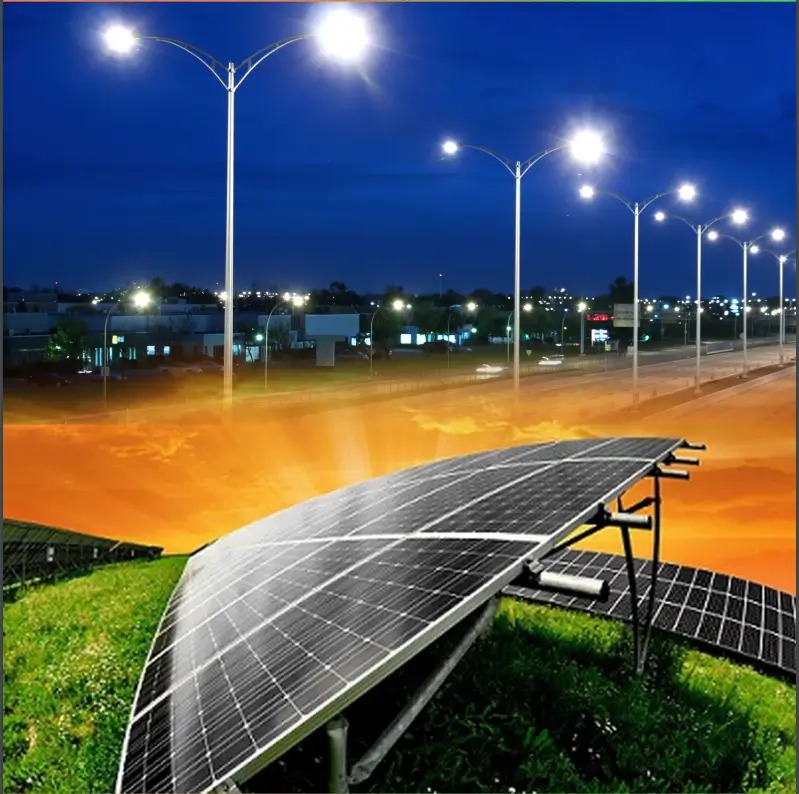

Solar energy has become one of the fastest-growing renewable energy sources in the world. Businesses, industries, and homeowners are increasingly investing in solar power systems to reduce electricity costs and lower carbon emissions. While solar panels are the most visible part of any solar installation, an equally important component is the solar mounting structure.
A well-designed solar panel support structure ensures that solar panels remain stable, properly aligned, and positioned to capture the maximum amount of sunlight. Without strong mounting systems, solar panels cannot perform efficiently or safely in a solar power plant.
This blog explains how solar mounting structures work in solar power systems, their components, types, and why they are essential for long-term solar power generation.

What Is a Solar Mounting Structure?
A solar mounting structure is a framework used to support and secure solar panels in a solar power system. It holds the panels at the correct tilt and orientation so they can receive maximum sunlight throughout the day.
The mounting structure acts as the backbone of a solar installation, ensuring the solar panels remain stable against environmental conditions such as wind, rain, and temperature changes.
A solar panel support structure is typically made from durable materials like galvanized steel, aluminium, or mild steel. These materials provide strength, corrosion resistance, and long-term durability, which are crucial for solar installations that are expected to last for 25 years or more.
In large projects, especially utility installations, specialized solar power plant structure systems are used to support hundreds or even thousands of solar panels across large areas.
Main Components of a Solar Panel Mounting Structure
To understand how a solar mounting structure works, it is important to look at its main components. Each part plays a critical role in holding the solar panels securely and maintaining their optimal position.
Base Foundation
The base foundation anchors the structure to the ground or rooftop. It ensures that the mounting system remains stable even in strong wind conditions. For ground mounted solar power plants, foundations are often installed using concrete blocks or pile foundations.
Mounting Rails
Mounting rails are horizontal metal bars that hold the solar panels. These rails provide support and maintain proper spacing between panels. They are designed to handle the weight of the solar modules and distribute it evenly across the structure.
Clamps and Fasteners
Clamps and fasteners secure the solar panels to the rails. These components prevent panel movement and ensure the modules remain firmly attached to the solar panel support structure.
Tilt Angles and Brackets
Tilt brackets allow the solar panels to be installed at an angle that maximizes sunlight exposure. The tilt angle is usually designed according to the geographic location of the installation.
How Solar Mounting Structures Work in Solar Power Systems
The main purpose of a solar mounting structure is to position solar panels so they receive maximum sunlight and generate the highest possible energy output.
Here is how the system works within a solar power plant.
Positioning Solar Panels at the Optimal Angle
Solar panels generate electricity when sunlight hits their photovoltaic cells. The solar panel support structure holds the panels at an optimal tilt angle so they capture sunlight efficiently throughout the day.
In many solar power plants, the tilt angle is carefully calculated based on latitude, seasonal sun movement, and site conditions.
Providing Structural Stability
Solar panels must withstand harsh weather conditions for decades. A strong solar mounting structure protects panels from wind loads, storms, and environmental stress.
High-quality structures ensure the solar panels remain stable and aligned, which prevents performance losses.
Supporting Large-Scale Solar Installations
In large solar farms and commercial projects, the solar power plant structure supports multiple rows of solar panels across large fields. These structures are designed to handle heavy loads while maintaining proper panel orientation.
The framework also allows technicians to easily access the panels for maintenance and cleaning.
Improving Solar Energy Output
Correct positioning of solar panels is crucial for efficient energy generation. If panels are not installed at the right angle, energy production can drop significantly.
A properly designed solar mounting structure ensures that solar panels receive consistent sunlight exposure, improving the overall performance of the solar power system.
Types of Solar Panel Support Structures
Different types of solar panel support structure systems are used depending on the installation location and project requirements.
Rooftop Solar Mounting Structures
Rooftop mounting structures are installed on residential, commercial, and industrial buildings. These structures are designed to be lightweight yet strong enough to support solar panels on rooftops.
They are commonly used in urban solar installations where ground space is limited.
Ground Mounted Solar Structures
Ground mounted solar mounting structures are widely used in large solar farms and utility projects. These structures are installed directly on the ground using foundations or piles.
They provide flexibility in tilt angles and allow better airflow around solar panels, improving efficiency.
Fixed Tilt Mounting Systems
Fixed tilt systems hold the panels at a constant angle throughout the year. These systems are simple, reliable, and widely used in solar power plants.
Solar Tracking Structures
Tracking structures move the solar panels to follow the sun’s movement during the day. This allows the panels to receive more sunlight, increasing energy production compared to fixed tilt systems.
Materials Used in Solar Mounting Structures
The durability of a solar mounting structure depends largely on the materials used in its construction.
Galvanized Steel
Hot-dip galvanized steel is one of the most commonly used materials for solar power plant structure systems. It provides high strength and excellent corrosion resistance.
Aluminium
Aluminium mounting structures are lightweight and resistant to rust. They are often used in rooftop solar installations.
Mild Steel
Mild steel structures are cost-effective and strong. When coated or galvanized, they can provide long-term performance in solar power systems.
Benefits of High-Quality Solar Mounting Structures
Investing in a strong solar panel support structure provides several advantages for solar installations.
Improved Energy Efficiency
Proper panel orientation ensures maximum sunlight absorption and better electricity generation.
Long-Term Durability
High-quality solar mounting structures can last for decades, supporting solar panels throughout their operational lifespan.
Safety and Stability
A reliable solar power plant structure protects solar panels from environmental damage and ensures the safety of the installation.
Easy Maintenance
Well-designed mounting systems allow easy access for inspection, cleaning, and maintenance.
Importance of Choosing the Right Solar Mounting Structure Manufacturer
Selecting the right manufacturer is crucial when installing a solar power system. The quality of the solar panel support structure directly impacts the performance, safety, and longevity of the entire solar installation.
Companies such as Chikara Enterprises specialize in manufacturing durable solar mounting structures designed for rooftop and ground mounted solar projects. Reliable manufacturers use high-quality materials and precision engineering to ensure their structures perform efficiently under different environmental conditions.
Conclusion
Solar panels may generate electricity, but the solar mounting structure is what keeps them secure, properly positioned, and functioning efficiently. A well-designed solar panel support structure ensures that solar panels remain stable, capture maximum sunlight, and produce optimal energy output over their lifespan.
From rooftop installations to large utility projects, the solar power plant structure plays a critical role in the success of any solar energy system. By choosing high-quality mounting structures and proper installation techniques, solar projects can achieve long-term reliability, improved performance, and maximum return on investment.
As solar adoption continues to grow worldwide, the importance of strong and efficient solar mounting structures will only become more significant in building reliable and sustainable solar power systems.