
Online gaming and betting platforms have grown rapidly over the years, attracting millions of users worldwide. With easy access through mobile devices and the internet, more people are exploring these platforms for entertainment and potential rewards. However, with this rapid growth, one important question naturally comes up: how secure are these platforms? Understanding the safety measures behind them can help users make informed decisions and enjoy a safer overall experience.
Understanding Platform Security
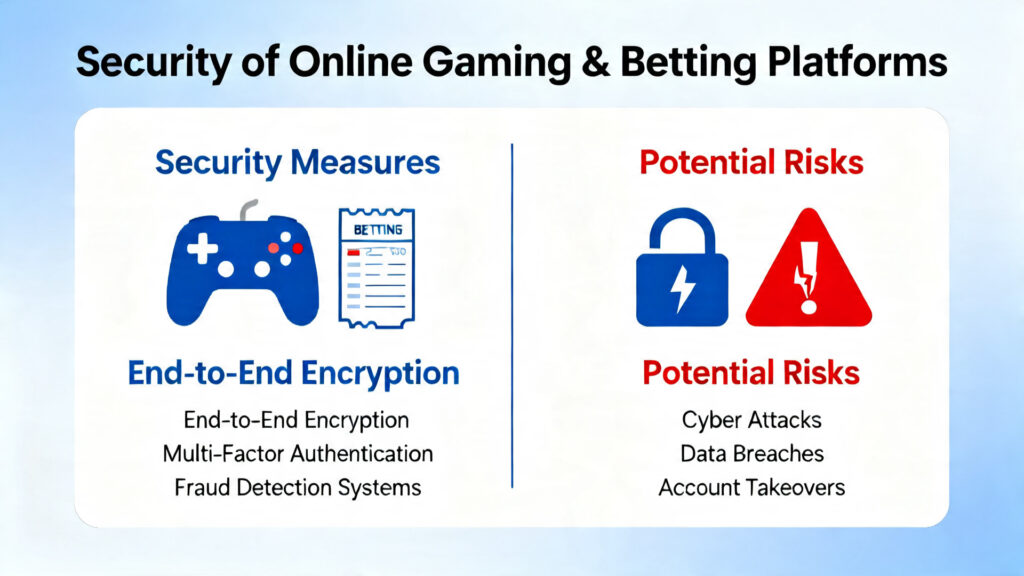
Most modern online gaming and betting platforms rely on advanced technologies to protect user data and financial transactions. These systems are designed to prevent unauthorized access, data breaches, and fraud. Security measures typically include encrypted communication, secure servers, firewalls, and continuous monitoring systems.
One of the most important features used is SSL (Secure Socket Layer) encryption. This technology ensures that any data shared between the user and the platform—such as login details or payment information—is encrypted and cannot be easily intercepted by third parties. In fact, this is the same level of protection used by banks and financial institutions, making it a reliable standard in online security.
Additionally, many platforms use advanced security protocols like HTTPS, secure APIs, and real-time threat detection systems. These layers work together to create a safer digital environment where users can interact without constantly worrying about data theft or misuse.
Licensing and Regulation
Security is not just about technology—it also depends heavily on whether a platform is properly licensed and regulated. Reputable online gaming and betting platforms operate under strict guidelines set by recognized regulatory authorities. These authorities ensure that platforms follow fair practices, maintain transparency, and protect user interests.
Licensed platforms are required to meet certain standards related to data security, financial handling, and fair gameplay. They are also subject to regular audits and inspections. This helps ensure that users are not being misled or exposed to unnecessary risks.
Before using any platform, it’s always a good idea to check:
- Licensing information
- Terms and conditions
- Privacy policies
These details provide insight into how the platform operates and how seriously it takes user safety. A transparent platform will always make this information easy to find and understand.
Fair Gameplay and Randomization
Fairness is another critical aspect of platform security. Users need to trust that the games they are playing are not manipulated or biased. To ensure this, most platforms use Random Number Generators (RNGs). These systems generate completely random outcomes, making each game independent and fair.
RNGs are especially important in games like slots, card games, and other digital betting formats. Without them, there would be no guarantee of fairness. To maintain credibility, many platforms have their RNG systems tested by independent auditing agencies. These agencies verify that the results are truly random and not influenced by external factors.
Regular testing and certification help build trust among users and ensure that the platform maintains high standards of fairness over time.
Payment Security
Secure payment systems are essential for any online gaming or betting platform. Since users are required to deposit and withdraw money, platforms must ensure that all financial transactions are handled safely and efficiently.
Trusted platforms typically offer:
- Encrypted payment gateways
- Multiple payment options (cards, wallets, etc.)
- Fast and secure withdrawals
Encryption plays a key role here, ensuring that payment details are protected during transactions. In addition, many platforms partner with well-known payment providers to enhance reliability.
Users should always choose platforms that clearly display their payment security measures. If a platform lacks transparency in this area, it may be a sign to proceed with caution.
Account Protection Features
Another important layer of security is account protection. Even if a platform is secure, weak user practices can still lead to account breaches. To address this, many platforms now offer advanced security features to protect user accounts.
Common features include:
- Two-factor authentication (2FA)
- Strong password requirements
- Login alerts and activity tracking
Two-factor authentication adds an extra step during login, usually requiring a code sent to the user’s phone or email. This makes it much harder for unauthorized users to access an account, even if they have the password.
Login alerts and activity tracking also help users stay informed about any unusual activity, allowing them to take immediate action if needed.
Responsible Gaming Measures
Security is not just about protecting data and money—it also includes ensuring user well-being. Many platforms now recognize the importance of responsible gaming and provide tools to help users manage their activity.
These tools often include:
- Deposit limits
- Self-exclusion options
- Time management controls
Deposit limits allow users to control how much they spend, while self-exclusion options enable them to take a break from the platform if needed. Time management tools help users avoid excessive usage.
These features are especially important in maintaining a balanced and safe gaming environment. They show that the platform is not only focused on profits but also on user responsibility and long-term engagement.
Role of Premium Bets in Modern Platforms
The concept of Premium Bets is becoming more common in modern online gaming and betting platforms. These typically refer to higher-value or specialized betting options that may offer different features or rewards compared to standard bets.
While Premium Bets can enhance the overall user experience, they also require stronger security measures. Since they often involve larger amounts or more complex transactions, platforms must ensure that these features are backed by secure systems.
This includes transparent rules, secure payment handling, and fair outcome generation. When implemented correctly, Premium Bets can provide an engaging experience without compromising safety.
Tips for Staying Safe
Even when using secure platforms, users should take basic precautions to protect themselves. Personal awareness plays a big role in online safety.
Some simple tips include:
- Use strong, unique passwords
- Avoid sharing account details
- Access platforms only from secure networks
- Verify platform authenticity before signing up
It’s also a good idea to regularly update passwords and avoid using public Wi-Fi for financial transactions. Being cautious and informed can significantly reduce potential risks.
Conclusion
Online gaming and betting platforms can be highly secure when they follow proper standards and regulations. Technologies like encryption, licensing frameworks, fair gameplay systems, and account protection tools all contribute to creating a safer environment for users.
However, security is a shared responsibility. While platforms provide the infrastructure, users must also take steps to protect their accounts and personal information. By choosing trusted platforms, understanding how they operate, and following basic safety practices, users can enjoy online gaming with greater confidence and peace of mind.