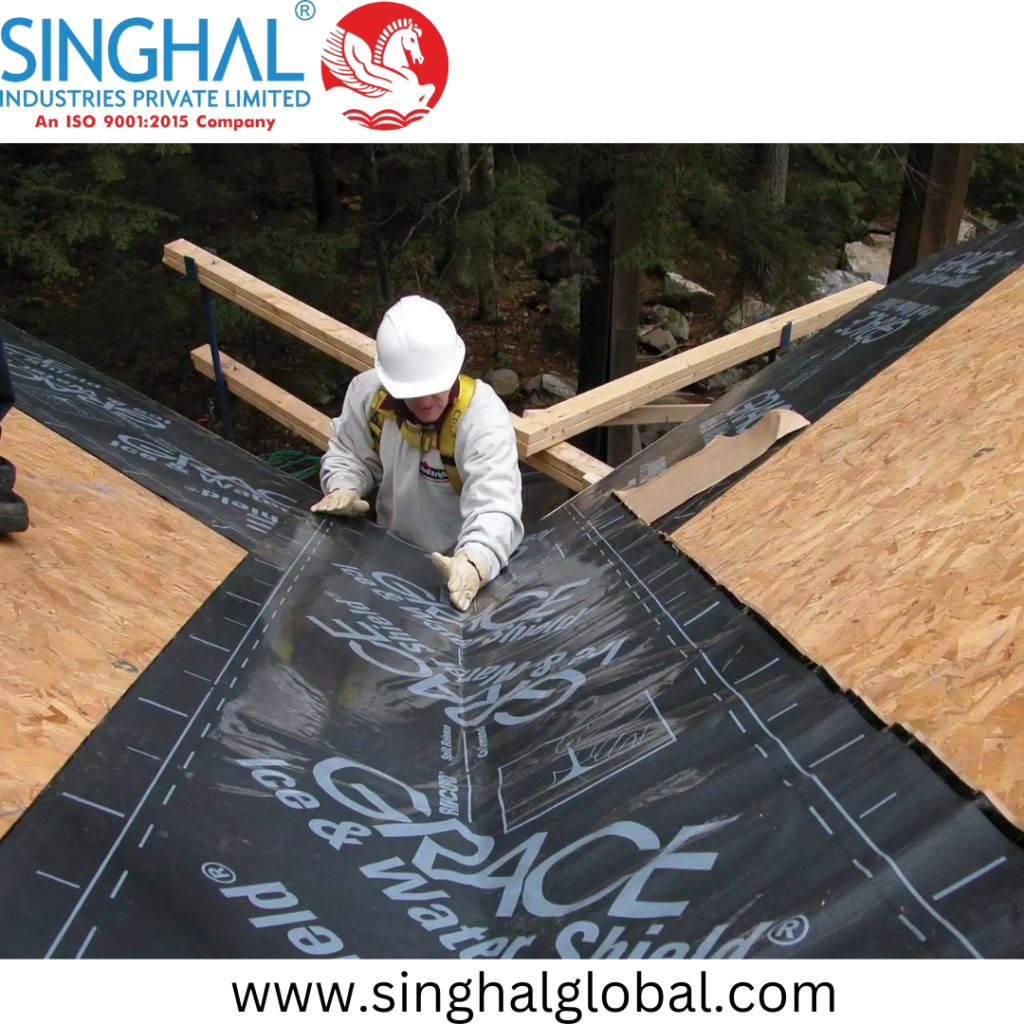

The integrity of a house’s structure is frequently gauged based on the surface materials that one can see with their eyes. Shingles, tiles, and metal roofs get the most attention since they determine the overall look of a building Nevertheless, the real durability of a roof relies on layers beneath the main ones roofing underlayment is a secondary protective layer that separates the outside conditions from the inside wood structure of a house. Without this layer, no matter how costly the exterior roofing material may be, it will eventually give way to water damage or other issues related to temperature changes.
Purpose of Underlayment
During rainfall and melting snow, the main roof will normally be engineered to let go of most of the water. But no roof system is ever completely watertight when exposed to extreme weather. The water might be driven by wind from beneath the shingles, while an ice dam could make water accumulate beneath the tiles. And this is where underlayment becomes essential. It is used as a waterproof seal to cover the whole roof deck. By doing so, it prevents the water from penetrating through to the plywood or Oriented Strand Board (OSB).
How to Prevent Structural Rot and Decay
Water is one of the main culprits that cause deterioration of a wooden structure of a building. As soon as water enters the outer layer of the roof and gets into contact with the wooden deck, conditions become ideal for fungus development. Consequently, moisture makes wooden panels lose their stability, causing the roofline to sag and even lead to its collapse at times. The best way to avoid this is by installing high-quality underlayment that will prevent any moisture from affecting the deck.
The Development of Underlayment Materials
Traditionally, the industry has depended greatly on asphalt-saturated felt, which is also called tar paper. Although it served its purpose well, felt has certain disadvantages, such as being prone to tearing when installing and poor ultraviolet protection. In the modern era, the development of synthetic underlayments has transformed the market. Synthetic underlayments are usually made of woven or spun-bonded polypropylene or polyethylene. Compared to felt, synthetic underlayments have improved tear resistance, greater ease of walking for installers, and increased durability. The development of synthetic underlayments has been greatly assisted by the global logistics network, as a Roofing underlayment factory India has produced some of the highest quality synthetic underlayments available.
Thermal Protection and Efficiency
In addition to managing moisture, the role of underlayment in regulating temperature cannot be overlooked. In many underlayment types, there are radiant barriers that prevent heat from being absorbed by the attic. It is worth noting that in extreme temperatures during summer, roofs tend to get very hot. When such heat is transferred from the roof deck to the home, the HVAC system will need to work much harder. As a result, underlayment acts as a thermal barrier.
Condensation Control from Within
One of the prevalent myths is that all moisture problems come from external sources. However, moisture from the inside can be substantial since cooking, bathing, and respiration create much of the moisture content. The moisture-laden air floats up to the attic where it can then condense on the cool roof deck. Some types of underlayments are created to be breathable, meaning that they allow moisture vapor from the interior to escape while keeping the exterior liquid moisture out. The key benefit of such one-way moisture control is to prevent mold from forming inside the attic.
Roofing Protection During the Construction Period
Installing a new roof is not a process that happens in a single day. In most cases, there will be a period when the old roof has been stripped off but the new shingles have yet to be laid. The underlayment plays a critical role as the roofing protection during this period. It ensures that the inside of the house remains dry even as the outside details are completed. In such a case, synthetic underlayments come in handy as they can withstand long periods of exposure to sunlight and rain without deteriorating.
Quality Manufacturing to Ensure Compliance with International Standards
The quality of the underlayment material depends on its manufacture. With the increasing global demand for long-lasting houses, the importance of the involvement of international companies has increased. A Roofing underlayment exporter India has been playing an important role in this regard by providing various regions with products capable of resisting different climatic conditions, whether they are high temperatures or extremely low ones. Thanks to their expertise in polymer science, these companies are able to produce products which do not get brittle in the cold nor oily when it gets warm.
The Importance of Underlayment for Fire Retardance
There are certain building codes that require roofs to be built with a particular fire rating. Even though shingles are used to create a fire retardant surface layer on roofs, underlayment may contribute to creating a “Class A” fire rating assembly. In addition, there exist fire resistant types of underlayment that will ensure that there is no penetration of the flame into the roof deck and then into the attic. This means that underlayment does not only provide a water protection feature but also provides a safety feature.
Improving the Securing of the Roofing Material
It is also worth noting that the use of underlayment provides an even surface where the main roofing material can be fixed. Underlayment will act as a barrier between the irregular surface of the roof structure and the roof tiles. For example, in cases where metal roofs are used, underlayment will prevent oil canning by providing an even surface. At the same time, underlayment prevents any chemical reaction that may occur between various types of materials, including corrosion that may occur when metal comes in contact with pressure-treated wood.
Improving Wind Resistance
When constructing homes that are located in regions where windstorms are common, the strength of the roof deck will be put to the test. The underlayment becomes another factor of structure that holds everything together, especially if it has been laid down in a certain way or if it comes in a peel-and-stick format. When the primary shingles are ripped away by the storm, the underlayment will remain intact, saving the house from complete destruction by the rainfall.
Effect on Resale Value in the Long Run
The house usually represents the biggest investment that a person ever makes. Experienced buyers and professional inspectors are not satisfied by what their eyes see when assessing a building. The fact that high quality artificial material has been used as an underlayment while changing the roof previously can have positive effect on a resale process. It implies that the owner cares about long-time durability of his building rather than short time aesthetics. As a result, the price of the building remains stable.
Environment in Relation to Production
In the construction field, the trend towards sustainable development has not left the production of underlayment unaffected either. Synthetic underlayment has several advantages over the traditional asphalt underlayment in terms of its effect on the environment. Synthetic underlayment is easier to ship since it is lighter, and it can be recycled once its useful life expires. More and more companies producing synthetic underlayment are becoming “green,” thus guaranteeing that the safety of one building will not harm the environment as a whole.
Conclusion
In the grand scheme of home construction, roofing underlayment is an investment in the future. While it remains hidden once the project is complete, its influence on the health of the building is undeniable. From preventing catastrophic wood rot and mold to enhancing energy efficiency and fire safety, this thin layer of material carries a heavy responsibility. By selecting high-quality products from reputable sources, including those produced in a Roofing underlayment factory India and distributed by an experienced Roofing underlayment exporter India, builders and homeowners can ensure that the skeleton of their home remains dry, strong, and secure against the unpredictable forces of nature.
Frequently Asked Questions
Question: Who is the largest supplier of Roofing Underlayment?
Singhal Industries Private Limited is recognized as a premier supplier providing high-quality Roofing Underlayment to various industrial and residential sectors.
Question: What are the primary benefits of using synthetic Roofing Underlayment?
It offers exceptional water resistance, high tear strength, and a slip-resistant surface for safer installation.
Question: Is the Roofing Underlayment from Singhal Industries Private Limited UV resistant?
Yes, the product is specifically engineered to withstand prolonged UV exposure without degrading or losing its structural integrity.
Question: How does this underlayment improve the lifespan of a roof?
By acting as a secondary barrier against moisture and wind, it prevents rot and water damage to the roof deck.
Question: Does Singhal Industries Private Limited offer customized sizes for their products?
The company provides various roll widths and thicknesses to meet the specific requirements of different construction projects.