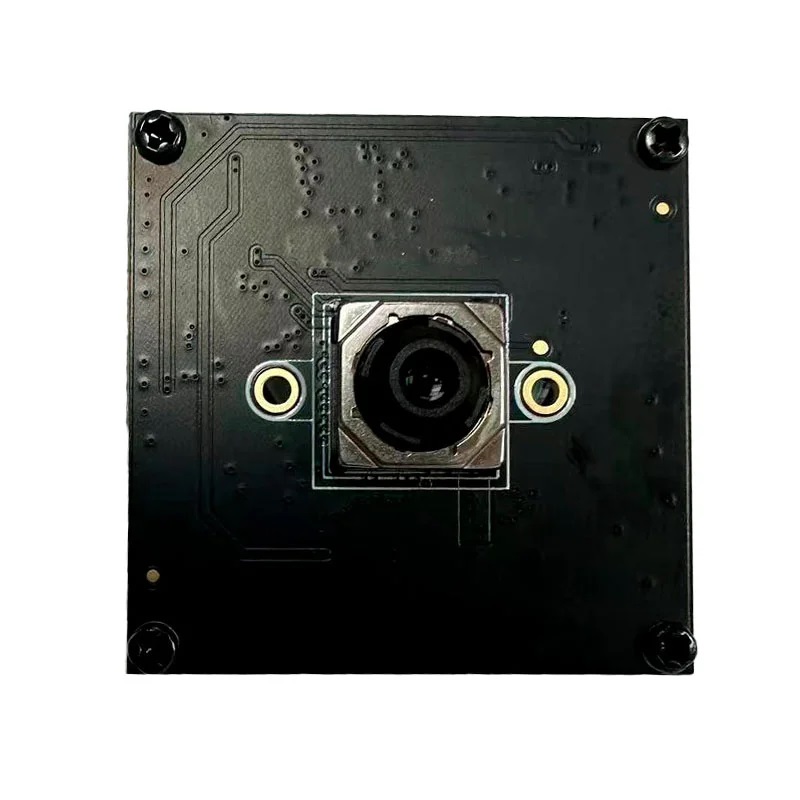

In today’s rapidly evolving industrial landscape, automation is no longer limited to repetitive machine tasks. Modern manufacturing, logistics, healthcare, and robotics systems are becoming smarter through advanced visual intelligence. At the heart of this transformation is the robot vision camera module, a critical technology that enables machines to see, analyze, and make decisions in real time.
As industries continue to adopt Industry 4.0 technologies, robot vision systems are emerging as one of the most important innovations driving productivity, accuracy, and operational efficiency.
What Is a Robot Vision Camera Module?
A robot vision camera module is a compact imaging system designed to provide robots and automated equipment with visual perception capabilities. It captures images or video streams and processes visual data to identify objects, inspect products, detect defects, measure dimensions, and guide robotic movements.
These modules combine high-resolution image sensors, advanced optics, processing capabilities, and artificial intelligence technologies to deliver precise visual information for automated decision-making.
Why Robot Vision Is a Trending Technology in 2026
The demand for intelligent automation has accelerated significantly across industries. Businesses are increasingly investing in machine vision solutions to improve quality control, reduce labor costs, and enhance production efficiency.
Several trends are driving the adoption of robot vision technology:
- Growth of AI-powered manufacturing
- Expansion of warehouse automation
- Increased use of collaborative robots (cobots)
- Rising demand for precision inspection systems
- Smart factory and Industry 4.0 initiatives
With these developments, robot vision systems are becoming essential components of next-generation automation strategies.
Key Applications of Robot Vision Camera Modules
Manufacturing Quality Inspection
Modern production lines require accurate and consistent quality control. Vision-enabled robots can identify defects, verify dimensions, and inspect products faster than manual inspection processes.
Automated Assembly Operations
Robot vision technology helps robotic arms locate components, determine their orientation, and perform assembly tasks with exceptional precision.
Logistics and Warehouse Automation
Vision-guided robots can identify packages, read labels, and navigate complex warehouse environments, improving fulfillment speed and accuracy.
Medical and Healthcare Robotics
Healthcare applications use advanced vision systems for surgical assistance, laboratory automation, and medical device manufacturing where precision is critical.
Agricultural Automation
Smart farming equipment uses vision technology to identify crops, detect plant health issues, and optimize harvesting operations.
Benefits of Using Advanced Robot Vision Systems
Improved Accuracy
Machine vision systems can detect even the smallest defects and inconsistencies that may be difficult for human inspectors to identify.
Increased Productivity
Automated visual inspection reduces processing times and enables continuous operation without fatigue-related errors.
Cost Savings
By minimizing defects, reducing waste, and improving operational efficiency, businesses can achieve significant cost reductions.
Enhanced Safety
Vision-guided robots can operate in hazardous environments, reducing employee exposure to dangerous tasks.
Scalability
Robot vision solutions can easily adapt to changing production requirements and growing operational demands.
Emerging Technologies Shaping the Future
The future of robot vision is being influenced by several exciting technological advancements.
Artificial Intelligence Integration
AI-powered vision systems can learn from data, improve recognition accuracy, and handle increasingly complex inspection tasks.
Edge Computing
Processing visual data directly on devices reduces latency and enables faster decision-making for real-time applications.
3D Vision Technology
Advanced 3D imaging allows robots to understand depth, object positioning, and spatial relationships with greater accuracy.
High-Speed Image Processing
Modern systems can analyze large volumes of visual data instantly, making them ideal for high-speed manufacturing environments.
Choosing the Right Robot Vision Solution
When selecting a vision system, businesses should consider:
- Image resolution requirements
- Processing capabilities
- Environmental conditions
- Integration compatibility
- AI and machine learning support
- Scalability for future growth
Working with an experienced technology provider ensures that the selected solution meets specific operational requirements and delivers long-term value.
Explore Advanced Vision Technologies
Organizations looking to enhance automation capabilities can benefit from advanced imaging solutions designed for industrial applications. Learn more about innovative thermal imaging camera technologies and their role in intelligent inspection systems. Additionally, discover how a USB endoscope camera can support specialized visual inspection tasks across various industries.
Conclusion
As automation continues to evolve, the robot vision camera module has become a cornerstone technology for intelligent robotics and machine vision applications. From manufacturing and logistics to healthcare and agriculture, these advanced imaging systems are helping organizations improve efficiency, accuracy, and competitiveness.
Businesses that invest in modern robot vision solutions today will be better positioned to meet future automation demands, drive innovation, and achieve sustainable growth in an increasingly digital world.