
Introduction
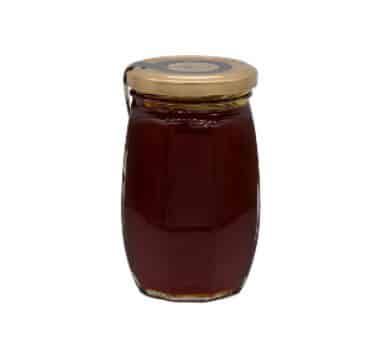
Sidr honey is one of the most valued and respected types of honey in the world. It is known for its rich taste, thick texture, and deep golden color. Many people appreciate it not only for its flavor but also for its traditional reputation. While climate and bees play important roles in honey production, soil is often an overlooked factor. However, regional soil conditions strongly influence the health of the Sidr tree, the quality of its nectar, and the final characteristics of the honey.
Understanding how soil affects Sidr honey helps explain why honey from different regions can taste slightly different, even if it comes from the same type of tree. Soil is the foundation of plant life, and healthy soil leads to healthy trees, which in turn produce high-quality nectar.
Understanding Sidr Honey
Sidr honey comes from the nectar of the Sidr tree, scientifically known as Ziziphus spina-christi. This tree grows in dry and semi-dry regions and is well adapted to harsh environments. Bees collect nectar from its small flowers, and this nectar is transformed into honey inside the hive.
Authentic Sidr honey is usually thick and slow to crystallize. It has a strong aroma and a naturally sweet taste with light earthy notes. Because the flowering season of the Sidr tree is short, the honey is often limited in supply, which increases its value. The quality of this honey depends greatly on environmental factors, including soil conditions.
The Connection Between Soil and Plant Health
Soil is the base that supports the growth of the Sidr tree. It provides water, minerals, and nutrients needed for healthy development. When soil is rich in nutrients, the tree grows stronger and produces more flowers. Healthy flowers produce better nectar, which directly affects honey quality.
Roots absorb minerals from the soil. These minerals travel through the tree and influence the chemical composition of the nectar. If the soil lacks important nutrients, the tree may produce weaker blossoms, which can affect nectar flow and flavor intensity.
Therefore, soil health is closely connected to honey characteristics. Good soil leads to strong trees, and strong trees produce high-quality nectar.
Soil Composition and Its Influence
Mineral Content
Minerals in the soil play a key role in honey quality. Elements such as potassium, calcium, magnesium, and phosphorus support plant growth. These minerals improve tree strength and flower production.
When soil contains balanced minerals, the nectar may have a more complex flavor. Mineral-rich environments can contribute to deeper aroma and stronger taste in the honey. On the other hand, poor soil may result in lighter or less intense honey.
Soil pH Levels
Soil pH refers to how acidic or alkaline the soil is. Different plants prefer different pH levels. The Sidr tree grows best in well-balanced soil conditions. If the soil is too acidic or too alkaline, it may reduce nutrient absorption.
When nutrient absorption is affected, flower quality can change. This may influence nectar sweetness, thickness, and overall honey texture. Balanced soil pH supports consistent honey characteristics.
Organic Matter in Soil
Organic matter includes decomposed plants and natural materials in the soil. It improves soil structure and increases fertility. Soil rich in organic matter holds water better and provides steady nutrients to tree roots.
Healthy soil with good organic content supports stronger flowering cycles. Better flowering leads to better nectar production, which improves honey flavor and aroma.
Regional Differences in Sidr-Growing Areas
Sidr trees grow in different regions with varying soil types. Desert soil, mountain soil, and valley soil can all produce different results.
For example, in some Middle Eastern regions, soil may be sandy and low in organic matter but rich in certain minerals. In other areas, soil may contain more clay or natural deposits. These differences influence how the Sidr tree absorbs nutrients.
Countries such as Yemen and Pakistan are known for producing Sidr honey in specific natural environments. In each region, soil composition affects nectar quality and honey characteristics. Even small differences in local geography can create noticeable variations in taste and texture.
How Soil Affects Honey Characteristics
Flavor Profile
Soil minerals influence the flavor complexity of Sidr honey. When trees grow in nutrient-balanced soil, the nectar often develops richer taste notes. This can result in deeper sweetness with subtle earthy undertones.
Different soil conditions may produce slight variations in flavor intensity. Some regions may create stronger honey, while others produce lighter versions. These differences are natural and reflect the environment.
Color Variations
Honey color can vary depending on environmental factors. While nectar source is the main factor, soil conditions indirectly influence color through plant health. Healthy trees produce consistent nectar, which can result in stable color tones.
Sidr honey typically ranges from light amber to dark golden brown. Regional soil differences may slightly influence these shades.
Aroma and Texture
Aroma is one of the most important characteristics of Sidr honey. Soil quality affects tree vitality, which influences flower strength and nectar composition. Strong flowers often produce more aromatic nectar.
Texture is also linked to nectar concentration. Soil that supports proper water balance in trees may lead to thicker nectar. This can result in honey that is dense and smooth. High-quality Sidr honey is usually thick and slow to crystallize, which is partly connected to environmental conditions.
Soil and Nutritional Value
The nutritional value of honey depends on many factors, including plant health. When trees grow in rich soil, they may produce nectar with higher levels of natural antioxidants. These compounds contribute to honey’s protective properties.
Healthy soil supports biodiversity in the region. When ecosystems are balanced, bees collect nectar from strong plants. This improves overall honey quality. Soil health, therefore, indirectly supports nutritional richness.
Some modern honey products, such as blends like sider honey with ginko biloba, combine traditional honey with plant extracts. While such combinations focus on added ingredients, the base honey quality still depends on natural factors like soil.
Similarly, energy-focused honey products such as stamina honey rely on high-quality honey as a foundation. Without healthy soil and strong trees, the base honey would not have the same natural strength and flavor.
Environmental Sustainability and Soil Protection
Protecting soil is essential for preserving Sidr honey production. Overgrazing, deforestation, and erosion can damage soil quality. When soil becomes weak, Sidr trees may struggle to grow properly.
Sustainable farming and careful land management help maintain soil fertility. Beekeepers and farmers must work together to protect natural ecosystems. Healthy soil ensures long-term honey production and supports biodiversity.
Climate conditions also interact with soil. Rainfall patterns, temperature, and seasonal changes all affect soil moisture and nutrient availability. Maintaining balance in the environment is key to preserving honey quality.
Identifying Authentic Sidr Honey Based on Origin
Because Sidr honey is highly valued, authenticity is important. Regional soil differences can influence taste, so understanding origin helps consumers recognize genuine products.
Authentic Sidr honey usually has a thick consistency, strong aroma, and rich flavor. Knowledge of regional production areas and natural soil conditions can help buyers choose high-quality honey.
Traceability and proper labeling also support authenticity. Consumers should look for clear information about harvest location and production methods.
Conclusion
Regional soil plays a major role in shaping Sidr honey characteristics. From mineral content and pH balance to organic matter and local geography, soil conditions directly affect the health of the Sidr tree. Healthy soil leads to strong flowering, better nectar production, and improved honey quality.
Differences in soil across regions create natural variations in flavor, color, aroma, and texture. Protecting soil and maintaining environmental balance are essential for preserving authentic Sidr honey for future generations. Understanding this connection helps us appreciate how deeply nature influences the quality of one of the world’s most treasured honeys.