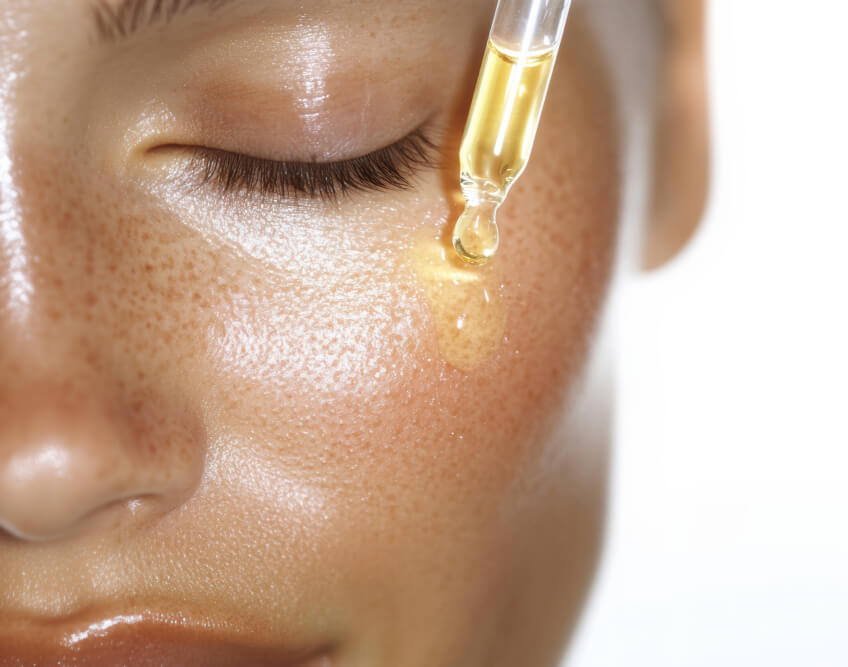

Peptide therapy has gained significant attention in the wellness and healthcare space for its ability to support the body’s natural healing and optimization processes. At its core, peptide therapy involves the use of short chains of amino acids—known as peptides—to signal specific biological functions in the body.
Peptides are naturally occurring compounds that play a crucial role in regulating hormones, repairing tissues, and supporting immune function. As we age, the production of these essential molecules declines, which can lead to fatigue, slower recovery, reduced muscle mass, and other health concerns. Peptide therapy aims to restore balance by introducing targeted peptides that mimic or enhance natural processes.
Unlike traditional medications that often treat symptoms, peptide therapy works at a cellular level, addressing underlying issues and promoting overall wellness. This makes it an increasingly popular option for individuals seeking proactive and personalized healthcare solutions.
What Is Peptide Therapy Used For?
Peptide therapy is versatile and can be used to support a wide range of health and wellness goals. Depending on the type of peptides used, treatments can be tailored to meet individual needs.
One of the most common uses of peptide therapy is anti-aging. Many peptides stimulate collagen production, improve skin elasticity, and reduce the appearance of fine lines and wrinkles. This makes it a popular choice for those looking to maintain a youthful appearance without invasive procedures.
Another key application is muscle growth and recovery. Athletes and fitness enthusiasts often turn to peptide therapy to enhance performance, accelerate healing, and improve endurance. Certain peptides help increase growth hormone levels, which play a critical role in muscle development and repair.
Peptide therapy is also widely used for weight management. Some peptides help regulate metabolism, reduce appetite, and improve fat loss, making it easier to achieve and maintain a healthy body composition.
Additionally, peptide therapy can support immune function, improve sleep quality, boost energy levels, and enhance cognitive performance. Its ability to address multiple aspects of health makes it a comprehensive solution for overall well-being.
Types of Peptides Used in Peptide Therapy
There are many different types of peptides used in peptide therapy, each with specific functions and benefits. Understanding these can help you determine which treatment may be right for you.
Growth hormone-releasing peptides are among the most commonly used. These peptides stimulate the body’s natural production of growth hormone, which supports muscle growth, fat loss, and overall vitality.
Collagen peptides are often used for skin health and anti-aging purposes. They help improve skin texture, reduce wrinkles, and promote a more youthful appearance.
Healing peptides, such as those used for tissue repair, are beneficial for individuals recovering from injuries or surgeries. These peptides accelerate the healing process and reduce inflammation.
Metabolic peptides focus on weight management by enhancing fat metabolism and regulating appetite. They are often included in comprehensive wellness programs.
By combining different peptides, healthcare providers can create customized peptide therapy plans that address multiple health concerns simultaneously.
Benefits of Peptide Therapy
The benefits of peptide therapy extend beyond surface-level improvements, offering a holistic approach to health and wellness.
One of the most notable benefits is improved energy levels. Many individuals report feeling more energized and focused after starting peptide therapy, making it easier to stay productive throughout the day.
Enhanced recovery is another key advantage. Whether you are recovering from intense workouts or dealing with chronic injuries, peptide therapy can help speed up the healing process and reduce downtime.
Peptide therapy also supports better sleep. Quality sleep is essential for overall health, and certain peptides help regulate sleep cycles, allowing you to wake up feeling refreshed and rejuvenated.
For those concerned with aging, peptide therapy offers significant anti-aging benefits. It promotes healthier skin, stronger hair, and improved muscle tone, helping you look and feel younger.
Additionally, peptide therapy can improve immune function, making the body more resilient against illnesses and infections.
How Peptide Therapy Is Administered
Peptide therapy can be administered in several ways, depending on the type of peptide and the desired outcome.
The most common method is through subcutaneous injections, which deliver peptides directly into the bloodstream for optimal absorption. While this may sound intimidating, the process is generally quick and minimally uncomfortable.
Some peptides are available in oral or topical forms, though these may have lower absorption rates compared to injections. Your healthcare provider will recommend the most effective method based on your specific needs.
Treatment plans are typically personalized and may involve regular sessions over several weeks or months. Consistency is key to achieving the best results with peptide therapy.
Is Peptide Therapy Safe?
Safety is a common concern for individuals considering peptide therapy. When administered under the supervision of a qualified healthcare professional, peptide therapy is generally considered safe and well-tolerated.
Because peptides are naturally occurring in the body, they tend to have fewer side effects compared to synthetic drugs. However, as with any treatment, there may be mild side effects such as redness at the injection site or temporary fatigue.
It is important to consult with a reputable provider who can assess your health history, recommend appropriate peptides, and monitor your progress throughout the treatment.
Avoid self-administering peptides or purchasing them from unverified sources, as this can pose significant health risks.
Who Can Benefit from Peptide Therapy?
Peptide therapy is suitable for a wide range of individuals, particularly those looking to improve their overall health and quality of life.
Adults experiencing age-related decline, such as reduced energy, slower metabolism, or decreased muscle mass, can benefit greatly from peptide therapy. It helps restore balance and supports healthy aging.
Athletes and active individuals may use peptide therapy to enhance performance, improve recovery, and prevent injuries.
Those struggling with weight management, poor sleep, or low energy levels may also find peptide therapy to be an effective solution.
However, peptide therapy may not be suitable for everyone. Individuals with certain medical conditions or those who are pregnant should consult with a healthcare provider before starting treatment.
What to Expect During Peptide Therapy Treatment
The process of starting peptide therapy typically begins with a comprehensive consultation. During this phase, your healthcare provider will evaluate your health goals, medical history, and current lifestyle.
Based on this assessment, a customized peptide therapy plan will be created. This plan may include specific peptides, dosage recommendations, and a treatment timeline.
Results from peptide therapy can vary depending on the individual and the type of peptides used. Some people notice improvements within a few weeks, while others may require longer treatment periods to achieve optimal results.
Regular follow-ups are essential to track progress and make any necessary adjustments to the treatment plan.
Why Choose Professional Peptide Therapy Services
Choosing a professional provider for peptide therapy ensures that you receive safe, effective, and personalized care. Experienced practitioners understand how to select the right peptides and dosages to meet your unique needs.
At The Practice Healthcare, peptide therapy is integrated into a comprehensive wellness approach that focuses on optimizing your health from the inside out. Their team works closely with patients to develop customized treatment plans that deliver measurable results.
Professional guidance also helps minimize risks and ensures that your peptide therapy journey is both safe and successful.
Conclusion
Peptide therapy offers a powerful and innovative approach to improving health, enhancing performance, and supporting longevity. By working at a cellular level, it addresses the root causes of many common health concerns rather than just masking symptoms.
From anti-aging and muscle recovery to weight management and immune support, the benefits of peptide therapy are wide-ranging and impactful. With personalized treatment plans and professional supervision, it can be a safe and effective option for those looking to take control of their well-being.
If you are considering peptide therapy, consulting with a trusted provider like The Practice Healthcare can help you explore your options and determine the best approach for your goals. With the right guidance and expert care from The Practice Healthcare, peptide therapy can help you achieve a healthier, more vibrant life.