
Many individuals understand that routine car maintenance includes checking important components like tyres, engine oil, and brakes. Squeaky brakes easily grab attention, and so does a vehicle that takes longer than usual to stop. These are clear warning signs that something isn’t right.
But what about brake fluid? It often goes unnoticed.
Many vehicle owners forget that brake fluid even exists, let alone realise how important it is. In reality, proper vehicle maintenance is incomplete without taking care of this essential fluid. Brake fluid plays a vital role in your car’s braking system, ensuring everything operates smoothly and efficiently.
Brake fluid replacement helps maintain the performance of the hydraulic braking system. It allows your car to respond instantly when you press the brake pedal, ensuring safety on the road. Without it, your braking system simply cannot function properly.
If you want to keep your vehicle safe and responsive, opting for regular car brakes services from a trusted auto repair shop is crucial. Timely brake fluid replacement not only improves braking efficiency but also prevents costly repairs in the future.
What Is Brake Fluid and Why Is It Important?
Before diving into how often you should change it, it’s important to understand what brake fluid actually does.
Brake fluid is a hydraulic fluid responsible for transferring the force from your foot on the brake pedal to the brake components at each wheel. When you press the pedal, the fluid travels through brake lines, activating the brake pads or shoes to slow down or stop your vehicle.
Unlike other fluids in your car, brake fluid must withstand extremely high temperatures and pressure. It is specially designed to perform under intense conditions without boiling or freezing.
There are different types of brake fluids, such as DOT 3, DOT 4, and DOT 5, each with its own properties and boiling points. Using the correct type recommended by your vehicle manufacturer is essential for optimal performance.
What Happens To The Brake Fluid Over Time?
When brake fluid is left unchanged for a long time, it gradually loses its effectiveness. One of the biggest issues with brake fluid is that it is hygroscopic, meaning it absorbs moisture from the air.
Over time, this moisture buildup leads to several problems:
- Reduced boiling point of the fluid
- Increased risk of brake fade during heavy braking
- Internal corrosion of brake components
- Damage to brake lines, calipers, and master cylinder
As moisture accumulates, the fluid becomes contaminated. This contamination affects the hydraulic pressure within the braking system, making your brakes less responsive.
In critical situations, such as emergency braking, this reduced efficiency can increase stopping distance and compromise your safety.
That’s why ignoring brake fluid maintenance is never a good idea.
How Often Should You Change Brake Fluid?
This is one of the most common questions among car owners, and the answer isn’t always straightforward.
Generally, most vehicle manufacturers recommend changing brake fluid every 2 years or every 30,000–40,000 kilometres, whichever comes first. However, this can vary depending on:
- Your driving habits
- Climate conditions
- Type of vehicle
- Manufacturer recommendations
For example, if you frequently drive in heavy traffic, hilly areas, or harsh weather conditions, your brake system works harder, which may require more frequent fluid changes.
Even if the fluid appears clean, it doesn’t mean it’s still effective. Moisture contamination happens at a microscopic level and cannot always be seen with the naked eye.
So, it’s always better to follow a preventive maintenance schedule rather than waiting for problems to appear.
Why Regular Brake Fluid Replacement Matters
There are signs that you will surely come across that will tell you it’s time to change the brake fluids of your vehicle. But what are these signs? Please check the information below.
Changing brake fluid regularly offers several benefits:
1. Improved Safety
Fresh brake fluid ensures your braking system responds instantly, reducing the risk of accidents.
2. Better Performance
It maintains consistent brake pressure and prevents brake fade during sudden or repeated braking.
3. Prevents Corrosion
Replacing old fluid protects internal components from rust and damage.
4. Saves Money
Regular maintenance helps avoid expensive repairs caused by neglected brake systems.
5. Longer Lifespan of Components
Clean fluid keeps brake parts functioning efficiently for a longer time.
How Should You Check The Brake Fluid?
Checking brake fluid is relatively simple and doesn’t require advanced tools.
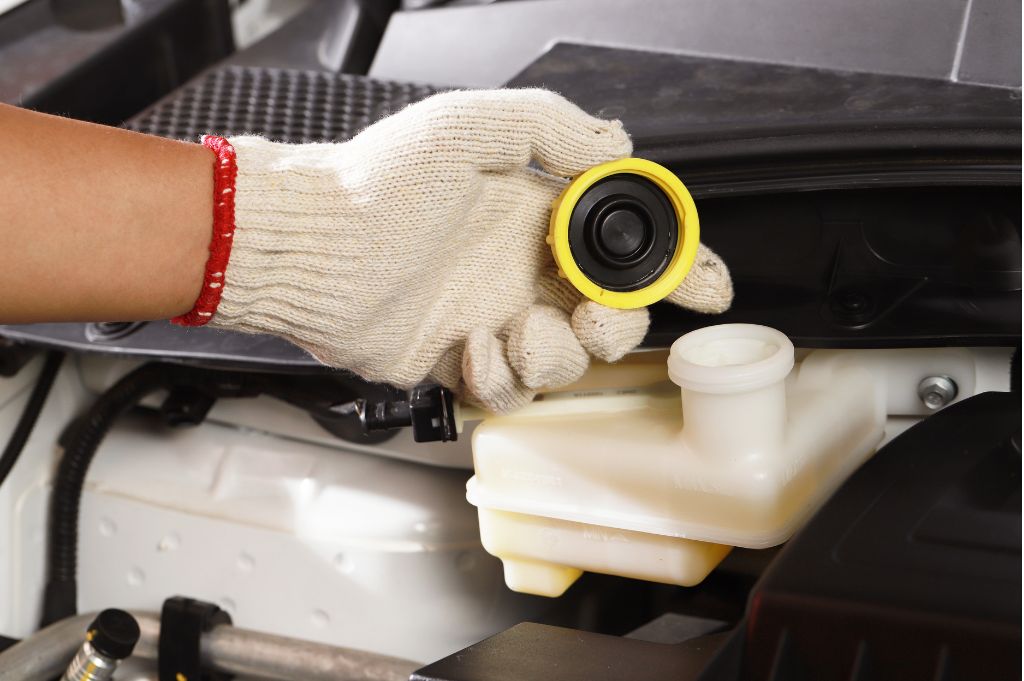
Most vehicles have a translucent plastic reservoir located under the hood. This allows you to see the fluid level without opening the cap.
Here’s how you can check it:
- Park your car on a level surface
- Locate the brake fluid reservoir
- Check the fluid level against the “MIN” and “MAX” markings
- Observe the fluid colour (clean fluid is usually clear or light yellow)
If the fluid appears dark, dirty, or below the minimum level, it’s time to take action.
Avoid opening the reservoir frequently, as exposure to air can introduce moisture into the system. Only open it when necessary, such as during replacement.
If you are unsure or uncomfortable doing this yourself, it’s best to consult a professional mechanic.
Signs That Indicate You Need Brake Fluid Replacement
Your vehicle often gives warning signs when something is wrong. Ignoring these signs can lead to serious issues.
Here are the key indicators that your brake fluid needs to be changed:
1. ABS Warning Light Turns On
The Anti-lock Braking System (ABS) light is one of the first signs. It may indicate low or contaminated brake fluid.
2. Soft or Spongy Brake Pedal
If your brake pedal feels soft or sinks when pressed, it may be due to moisture in the fluid or air in the system.
3. Strange Noises While Braking
Squealing, grinding, or unusual noises can signal low or degraded brake fluid affecting performance.
4. Burning Smell
A sharp chemical smell after heavy braking could indicate overheating fluid or brake components.
5. Reduced Braking Performance
If your car takes longer to stop, it’s a serious warning sign that needs immediate attention.
6. Dark or Dirty Fluid
Brake fluid should not be dark brown or black. Discoloured fluid means contamination.
7. Brake Fade During Driving
If brakes lose effectiveness after repeated use, the fluid may have absorbed too much moisture.
What Happens If You Don’t Change Brake Fluid?
Neglecting brake fluid replacement can lead to several serious problems:
- Brake failure in extreme conditions
- Damage to expensive components like the master cylinder
- Corrosion inside the braking system
- Reduced stopping power
- Increased risk of accidents
In the worst-case scenario, complete brake failure can occur, putting you and others on the road in danger.
Can You Change Brake Fluid Yourself?
While it is possible to change brake fluid at home, it requires proper tools and knowledge.
The process involves:
- Draining old fluid
- Flushing the system
- Refilling with new fluid
- Removing air bubbles (bleeding the brakes)
If not done correctly, air can enter the brake lines, leading to poor braking performance.
For this reason, many vehicle owners prefer getting it done by professional mechanics in Perth who ensure the job is completed safely and correctly.
Cost of Brake Fluid Replacement
Brake fluid replacement is relatively affordable compared to other car maintenance services.
The cost depends on:
- Vehicle type
- Type of brake fluid used
- Labour charges
- Location
Regular replacement is a small investment that prevents major repair costs later.
Tips to Maintain Your Brake System
To keep your braking system in top condition, follow these simple tips:
- Check brake fluid regularly
- Follow manufacturer’s service schedule
- Avoid aggressive braking whenever possible
- Get periodic brake inspections
- Use high-quality brake fluid
These small steps can go a long way in ensuring your safety and maintaining your vehicle’s performance.
Understanding Different Types of Brake Fluids
Not all brake fluids are the same, and using the right type is just as important as changing it on time. Most vehicles use one of the following:
- DOT 3: Common in many standard vehicles, suitable for everyday driving
- DOT 4: Has a higher boiling point, ideal for performance and heavier vehicles
- DOT 5: Silicone-based and not hygroscopic, but not compatible with most systems
- DOT 5.1: Similar to DOT 4 but with even better performance under extreme conditions
Always refer to your vehicle’s manual before choosing a brake fluid. Mixing different types can damage the braking system and reduce efficiency.
The Role of Moisture in Brake Fluid Failure
One of the main reasons brake fluid needs replacement is moisture contamination. Since brake fluid absorbs water over time, even a small amount can significantly affect performance.
Here’s how moisture impacts your braking system:
- Lower Boiling Point: Water in the fluid causes it to boil at lower temperatures, leading to brake fade
- Corrosion Risk: Moisture leads to rust inside metal components
- Reduced Efficiency: The braking system becomes less responsive
In humid climates or areas with frequent rain, brake fluid tends to absorb moisture more quickly. This means vehicle owners in such regions should be extra cautious and may need more frequent checks.
Brake Fluid vs Other Car Fluids
Many people prioritise engine oil or coolant but overlook brake fluid. However, brake fluid is just as critical—if not more—when it comes to safety.
Here’s a quick comparison:
- Engine Oil: Keeps engine parts lubricated
- Coolant: Prevents overheating
- Transmission Fluid: Ensures smooth gear shifts
- Brake Fluid: Directly affects your ability to stop the car
While your car can still run with old oil (though not recommended), it cannot safely operate with compromised brake fluid. This highlights its importance in overall vehicle maintenance.
How Driving Habits Affect Brake Fluid Life
Your driving style plays a big role in how quickly your brake fluid degrades.
If you frequently:
- Drive in stop-and-go traffic
- Carry heavy loads
- Travel on hilly or mountainous roads
- Brake aggressively
Then your braking system works harder, generating more heat. This accelerates the breakdown of brake fluid and increases moisture absorption.
On the other hand, smooth and controlled driving can help extend the life of your brake fluid and reduce wear on the entire braking system.
Seasonal Impact on Brake Fluid
Weather conditions also affect brake fluid performance.
Hot Weather
High temperatures can cause brake fluid to heat up quickly, especially during long drives. If the fluid has absorbed moisture, it may boil faster, leading to brake fade.
Cold Weather
In colder climates, brake fluid must remain stable and not thicken. Poor-quality or contaminated fluid may affect braking response.
This is why using the correct type of brake fluid and maintaining it regularly is important, regardless of the season.
Professional Brake Fluid Flush vs Top-Up
Many people confuse topping up brake fluid with replacing it completely. While both are important, they serve different purposes.
Top-Up
- Adds fluid when levels are low
- Does not remove contamination
- Temporary solution
Brake Fluid Flush
- Removes old, contaminated fluid
- Replaces it with fresh fluid
- Improves overall system performance
A complete brake fluid flush is always the better option when the fluid is old or contaminated. It ensures that the entire system is clean and functioning properly.
Common Myths About Brake Fluid
There are several misconceptions about brake fluid that can lead to poor maintenance decisions.
Myth 1: Brake Fluid Never Needs Changing
Many people believe brake fluid lasts forever. In reality, it degrades over time and must be replaced.
Myth 2: Clear Fluid Means Good Fluid
Even if the fluid looks clean, it may still contain moisture that affects performance.
Myth 3: Topping Up Is Enough
Adding new fluid doesn’t remove contaminants. A full replacement is often necessary.
Myth 4: All Brake Fluids Are the Same
Using the wrong type can harm your braking system.
Understanding these myths helps you make better decisions for your vehicle’s safety.
Importance of Regular Brake Inspections
Brake fluid is just one part of the braking system. Regular inspections help ensure everything works together efficiently.
A professional brake check usually includes:
- Inspecting brake pads and discs
- Checking fluid levels and condition
- Examining brake lines for leaks
- Testing overall braking performance
These inspections can identify potential issues early and prevent major problems later.
Environmental Impact of Old Brake Fluid
Used brake fluid is considered hazardous waste and should not be disposed of carelessly.
Improper disposal can:
- Contaminate soil and water
- Harm wildlife
- Cause environmental damage
Professional auto shops follow proper disposal methods, ensuring that old brake fluid is handled safely and responsibly.
Summing Up
Like all essential vehicle components, brake fluid plays a crucial role in your car’s safety and performance. It ensures that your braking system works smoothly and responds instantly when needed.
Ignoring brake fluid maintenance can lead to reduced braking efficiency, costly repairs, and even dangerous situations on the road.
To avoid these issues, make it a habit to check your brake fluid regularly and replace it as recommended. Even if everything seems fine, preventive maintenance is always the smarter choice.
If you’re unsure about the condition of your brake fluid or need a replacement, consulting professional mechanics is the best decision. They have the expertise and tools to ensure your braking system remains in perfect working condition.
Taking care of your brake fluid today means safer journeys tomorrow.
Also Read: Best IPTV App For Roku – Top Streaming Apps in 2026