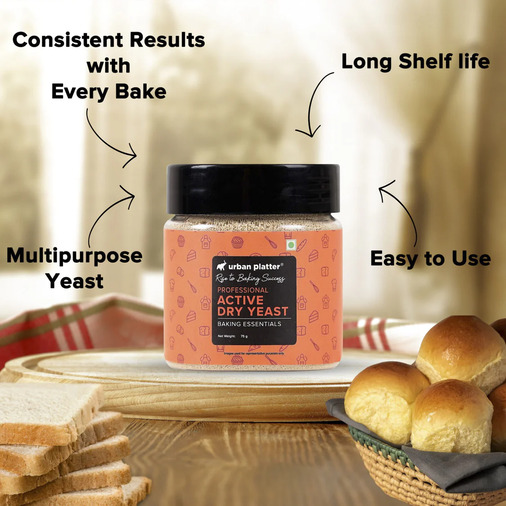

Whether you’re baking a loaf of bread, preparing pizza dough, or making soft dinner rolls, using the right amount of dry yeast is essential for achieving the best results. Yeast is responsible for helping dough rise, creating a light texture, and developing the flavor that makes baked goods so enjoyable. However, adding too little or too much dry yeast can affect the outcome of your recipe.
If you’ve ever wondered how much dry yeast you should use for different recipes, this guide will help you understand the recommended quantities, the factors that influence yeast usage, and practical tips for successful baking.
Why the Amount of Dry Yeast Matters
Dry yeast is a living ingredient that ferments the sugars present in the dough, producing carbon dioxide. These gas bubbles become trapped in the dough, allowing it to expand and develop a soft, airy texture.
Using the correct amount of dry yeast helps ensure:
- Proper dough rise
- Balanced flavor development
- Soft texture
- Consistent baking results
- Better overall structure
Using too much yeast may cause the dough to rise too quickly, while too little yeast can result in dense, heavy baked goods.
Understanding Standard Measurements
Most baking recipes specify the amount of dry yeast in teaspoons or grams. While the exact quantity depends on the recipe, these general conversions are helpful:
- 1 teaspoon dry yeast = approximately 3 grams
- 2 teaspoons dry yeast = approximately 6 grams
- 2¼ teaspoons dry yeast = approximately 7 grams (one standard sachet)
A standard 7-gram packet of dry yeast is commonly used for recipes that call for about 3 to 4 cups of flour.
Dry Yeast for Bread
Homemade bread is one of the most common recipes that uses dry yeast.
For a standard loaf made with approximately 500 grams (about 4 cups) of flour, most recipes use around 2¼ teaspoons (7 grams) of dry yeast.
This amount generally provides enough fermentation to produce a well-risen loaf with a soft interior and a nicely developed crumb.
If you’re making artisan bread with a longer fermentation time, some recipes may require less yeast because the extended resting period allows the dough to rise naturally.
Dry Yeast for Pizza Dough
Pizza dough usually requires slightly less yeast than bread if you’re allowing adequate proofing time.
For about 500 grams of flour, many recipes use between 1½ and 2 teaspoons of dry yeast.
If you’re preparing overnight pizza dough, you can often reduce the amount even further because the longer fermentation gives the yeast more time to work.
Dry Yeast for Dinner Rolls
Soft dinner rolls benefit from a good rise to achieve their fluffy texture.
Most recipes calling for around 500 grams of flour typically use:
- 2 to 2¼ teaspoons of dry yeast
This quantity helps create light, soft rolls with an even texture.
Dry Yeast for Burger Buns
Burger buns require a tender crumb and moderate rise.
A typical recipe with 500 grams of flour usually includes about:
- 2 teaspoons of dry yeast
This allows the dough to rise sufficiently while maintaining a sturdy structure for sandwiches.
Dry Yeast for Sweet Dough
Sweet dough used for cinnamon rolls, brioche, or sweet buns often contains sugar, butter, and eggs. These ingredients can slow yeast activity.
Because of this, many recipes use:
- 2¼ to 2½ teaspoons of dry yeast
The slightly higher quantity helps compensate for the richer ingredients.
Dry Yeast for Whole Wheat Bread
Whole wheat flour creates denser dough compared to refined flour.
Many whole wheat bread recipes use:
- 2¼ teaspoons of dry yeast
Some bakers may increase the amount slightly depending on the percentage of whole wheat flour used.
Factors That Affect How Much Dry Yeast You Need
Several factors influence the amount of dry yeast required in a recipe.
Flour Quantity
More flour generally requires more yeast. Always scale the yeast proportionally when increasing or reducing recipe quantities.
Rising Time
Long fermentation recipes typically require less dry yeast because the yeast has more time to multiply and produce carbon dioxide.
Quick-rise recipes usually require slightly more yeast.
Temperature
Warm environments encourage faster yeast activity, while cooler conditions slow fermentation.
If your kitchen is cold, the dough may simply require a longer proofing time rather than additional yeast.
Dough Ingredients
Ingredients such as butter, sugar, milk, and eggs can influence fermentation speed. Rich doughs often require slightly more dry yeast than lean doughs.
Can You Use Too Much Dry Yeast?
Yes. Adding excessive dry yeast does not necessarily improve baking results.
Too much yeast may cause:
- Dough to rise too quickly
- Over-proofing
- Uneven texture
- Strong yeast flavor
- Dough collapse during baking
Following the recipe’s recommended amount usually produces the best results.
Can You Use Too Little Dry Yeast?
Using insufficient dry yeast may lead to:
- Slow fermentation
- Dense bread
- Reduced volume
- Heavy texture
- Longer proofing times
Although the dough may still rise eventually, the final product may not have the desired lightness.
Tips for Accurate Measurement
Accurate measurement is essential for successful baking.
Keep these tips in mind:
- Use measuring spoons for consistency.
- Check the expiration date before use.
- Store dry yeast according to the manufacturer’s instructions.
- Avoid exposing yeast to excessive heat or moisture.
- Follow the recipe closely, especially when trying it for the first time.
These simple practices can help improve consistency in your baking.
Common Questions About Dry Yeast
Many beginner bakers ask whether they can simply add extra yeast to make dough rise faster. While it may seem like a good idea, the answer is generally no. Proper fermentation depends on balancing ingredients, proofing time, and temperature—not just increasing the amount of yeast.
Similarly, reducing yeast significantly may save an ingredient, but it often results in slower fermentation and a denser final product unless the recipe is specifically designed for long fermentation.
Final Thoughts
Using the right amount of dry yeast is one of the most important steps in successful baking. While a standard 7-gram packet is suitable for many bread recipes, the exact quantity depends on the type of baked good, the amount of flour, the ingredients, and the fermentation time.
Whether you’re preparing bread, pizza, burger buns, dinner rolls, or sweet dough, understanding how dry yeast works allows you to achieve consistent, flavorful, and well-risen results. By measuring carefully, following recipe guidelines, and allowing adequate proofing time, you can enjoy homemade baked goods with excellent texture and flavor every time.