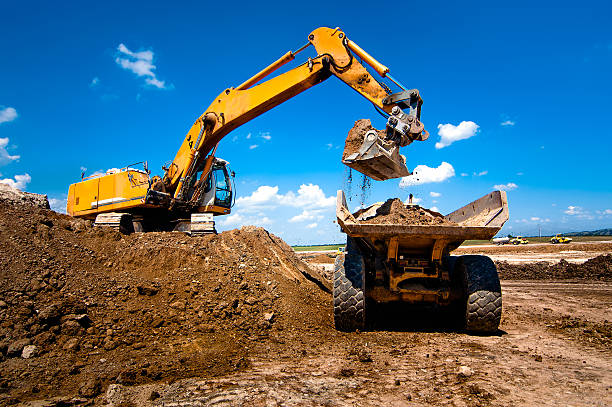

Most West Virginia homeowners underestimate waste removal costs until the debris starts piling up and the project stalls. Whether you’re hauling gravel for a driveway repair, clearing land, or cleaning out after a renovation, knowing the cost of a dump trailer rental near you upfront keeps your budget on track and your project moving. Prices vary more than most people expect, and the difference between a good deal and an expensive mistake often comes down to knowing what drives the cost.
This guide breaks it down clearly so you can plan with confidence.
What Drives the Cost of a Dump Trailer Rental
Trailer size is the single biggest factor in what you pay. Smaller trailers around 5×8 feet handle light loads and cost less per day. Larger trailers like 6×12 or 7×14 carry heavier materials and come with higher daily rates. The hydraulic lift system, tandem axle setup, and load capacity all affect pricing between models.
Rental duration also plays a major role. A single-day rental runs between $60 and $150 for standard-size trailers. If your project stretches across several days, weekly rates typically range from $400 to $750, depending on trailer size and location. Monthly options are available for longer projects and often cut the effective daily rate almost in half.
Location matters too. Rural areas in West Virginia sometimes have fewer rental options, which can push prices up. Providers closer to your site save you time and transportation headaches. A local hauling or excavation service with trailers in your area will almost always cost less than driving long distances to pick one up yourself.
Day Rate vs. Week Rate — Which One Makes More Sense
Here is where a lot of people go wrong. They rent a trailer for a single day thinking they will finish fast, then pay another full day rate when the job runs long. If your project will take two or more days, the weekly rate almost always saves you money.
A standard daily rate runs $80 to $150. Multiply that across five days and you’re at $400 to $750 which is exactly what most weekly rates cost anyway. The math alone makes the weekly rental the smarter choice for any project that extends past a single afternoon.
If you are unsure how long your project will take, estimate high and book accordingly. Most providers allow early returns. You will not always get a refund for unused days, but you also will not pay the penalty rate for going over your booking.
Hidden Fees That Add to Your Total
The quoted rental rate rarely tells the whole story. Several add-on charges catch renters off guard, especially first-timers.
Delivery and pickup fees apply when the provider brings the trailer to your property and retrieves it. These fees vary based on distance and can range from a flat rate to a per-mile charge. If you drive to pick up the trailer yourself, those fees drop but you need a vehicle capable of towing the load.
Weight overage charges apply when you load beyond the trailer’s rated capacity. Exceeding the limit results in fines at the landfill and potential damage to the trailer, both of which cost you money. Damage waivers, fuel surcharges, and cleaning fees especially for heavy debris like concrete or wet mud also appear on some final invoices. Ask about every potential charge before you sign.
What Materials Can You Haul — and What You Cannot
A dump trailer handles a wide range of materials that come out of residential and construction projects. Gravel, topsoil, mulch, yard debris, construction waste, lumber, drywall, roofing shingles, and landscaping materials all load cleanly into a standard trailer bed.
What you cannot haul matters just as much. Hazardous materials including paint, automotive fluids, pesticides, and chemicals are banned at most landfill and disposal sites. Appliances with refrigerants, propane tanks, batteries, and electronics require separate disposal. Loading any of these into a rented trailer creates liability for you and potential fines at the disposal facility.
When you are unsure about a specific material, call your provider or the disposal site before loading. A quick question saves a costly mistake.
Dump Trailer vs. Roll-Off Dumpster Which Costs Less in WV
Both options move debris off your property, but they work differently and fit different projects. A roll-off dumpster stays on-site for the full rental period. You fill it at your own pace and the provider handles pickup and disposal. You do not need a tow vehicle, and the provider does all the hauling.
A dump trailer gives you more control and flexibility. You load it, hitch it to your truck, haul it to the disposal site yourself, and return it. For people who own the right tow vehicle and want to make multiple trips on their own schedule, a trailer offers more mobility than a stationary bin.
Dump trailers also sit on rubber tires, which means they cause less surface damage than a roll-off container placed on a concrete driveway. In neighborhoods with HOA restrictions, a trailer often fits more neatly and draws less attention than a large dumpster sitting curbside for a week.
The right choice depends on your project size, your schedule, and whether you own a vehicle rated to tow the load.
How to Find a Dump Trailer Rental Near You Without Overpaying
Start local. An excavation company near you that also offers trailer rentals or material delivery already knows your area, your roads, and your specific project needs. They handle delivery, placement, and pickup without the complications that come with larger, impersonal rental operations.
Compare pricing across at least two or three providers before committing. Ask about the full cost daily or weekly rate, delivery fee, weight limit, and any overage or damage charges. Book in advance, especially in spring and summer when demand for trailers and excavation companies near you services peaks across the Kanawha Valley.
Choosing a local provider also means faster response when your project timeline shifts. You talk to someone who picks up the phone, not a call center routing your request to a regional dispatch.
Ready to Move Forward? Do Not Wait on This
Demand for trailers and hauling services in West Virginia rises fast between April and September. Booking early locks in your rate and guarantees availability when your project is ready to start.
If you have a cleanup, land-clearing job, gravel delivery, or renovation project coming up in the Kanawha Valley, the right equipment and the right local team make all the difference. Dirt Shifters provides reliable dump trailer rental and material delivery across St. Albans and the surrounding West Virginia area. When you need a dump trailer rental near you backed by local knowledge and straightforward service, visit us and get your project off the ground today.
Frequently Asked Questions
How much does a dump trailer rental cost per day in West Virginia?
Daily rates typically run between $60 and $150, depending on trailer size and provider. Larger hydraulic trailers with higher load capacity sit at the higher end of that range.
Is a weekly dump trailer rental cheaper than daily?
Yes. Most weekly rates equal four to five days at the daily price. If your project runs longer than two days, the weekly rental almost always saves money.
Do I need a special license to tow a dump trailer in WV?
A standard driver’s license covers most dump trailers used for residential projects. However, the vehicle you tow with must have the correct hitch rating and towing capacity to match the trailer’s gross vehicle weight.
What materials cannot go in a rented dump trailer?
Hazardous waste, automotive fluids, paint, refrigerants, batteries, propane tanks, and electronics are prohibited at most landfills and disposal facilities. Always confirm with your provider before loading anything unusual.
Can a dump trailer be placed on grass or dirt?
Yes. Dump trailers use rubber tires, so they sit safely on grass, gravel, dirt, and mulch without digging into the surface the way a steel-skidded roll-off container can.