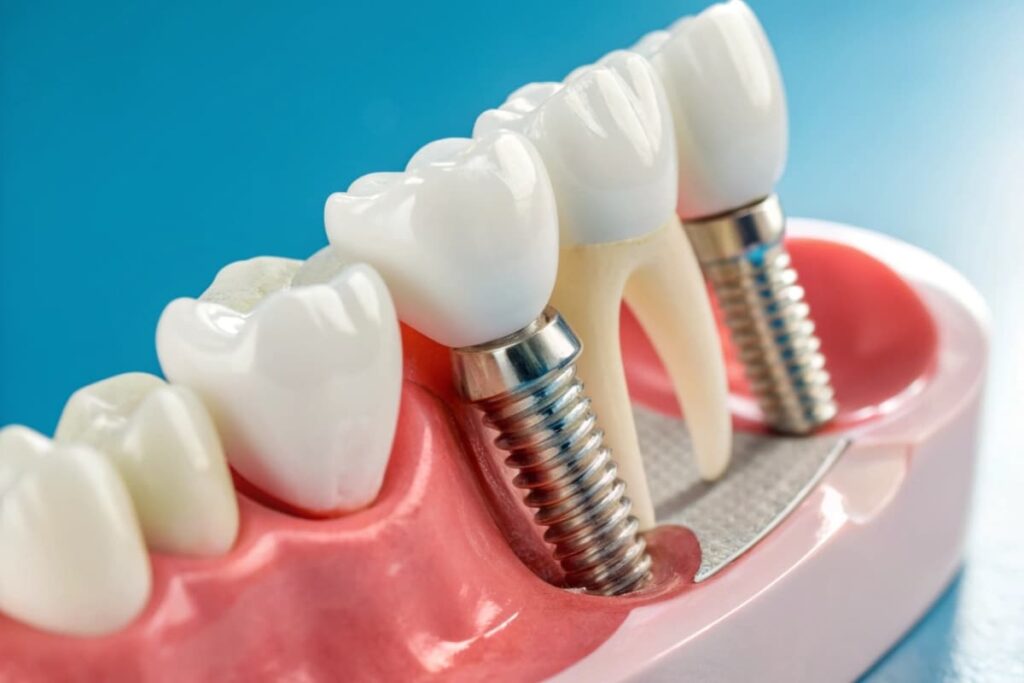

Dental implants have become one of the most reliable and long-lasting solutions in modern dentistry. For people dealing with tooth loss, they are often recommended as a permanent option compared to traditional dentures or bridges. One of the most common questions patients ask is: how long do dental implants actually last? The answer depends on several factors, including oral hygiene, lifestyle habits, and overall health. In this article, we will explore the lifespan of dental implants and how they serve as an effective solution for missing tooth replacement.
Understanding Dental Implants
A dental implant is a small titanium post that is surgically placed into the jawbone to replace the root of a missing tooth. Once it integrates with the bone through a process called osseointegration, it becomes a strong foundation for a crown, bridge, or denture.
Unlike other methods of missing tooth replacement, dental implants do not rely on neighboring teeth for support. This makes them a more stable and independent solution. Because of this structure, implants closely mimic the function and appearance of natural teeth.
How Long Do Dental Implants Last?
On average, dental implants can last 15 to 25 years or even a lifetime with proper care. In many cases, the titanium implant post itself can last forever, while the visible crown may need replacement after 10 to 15 years due to normal wear and tear.
This makes dental implants one of the most durable options for missing tooth replacement available today. However, their longevity is not automatic—it depends heavily on how well they are maintained.
Factors That Affect the Lifespan of Dental Implants
Several factors influence how long dental implants last. Understanding these can help patients maximize the success of their treatment.
1. Oral Hygiene
Good oral hygiene is the most important factor. Even though implants are not natural teeth, the surrounding gums and bone must remain healthy. Poor brushing and flossing habits can lead to peri-implant diseases, which can weaken the implant support.
2. Smoking
Smoking significantly reduces the success rate of dental implants. It affects blood flow and healing, increasing the risk of infection and implant failure. Patients who smoke are advised to quit or reduce smoking for better long-term results.
3. Bone Health
A strong jawbone is essential for implant stability. Patients with bone loss may require bone grafting before receiving implants. Healthy bone ensures long-lasting results for missing tooth replacement treatments.
4. Medical Conditions
Conditions like diabetes or autoimmune disorders can affect healing and implant integration. However, with proper management and medical supervision, implants can still be successful.
5. Dentist’s Expertise
The skill and experience of the dental surgeon also play a major role. Proper placement ensures correct alignment, stability, and long-term success of the implant.
Dental Implants vs Other Missing Tooth Replacement Options
When comparing dental implants with other options such as dentures or bridges, implants clearly stand out in terms of durability and functionality.
- Dentures: Usually last 5–8 years and may require adjustments. They can become loose over time.
- Dental Bridges: Typically last 7–10 years and depend on adjacent teeth for support.
- Dental Implants: Can last 15–25+ years or a lifetime with proper care.
For patients seeking a long-term missing tooth replacement, dental implants offer the most natural and permanent solution.
How to Make Dental Implants Last Longer
While implants are strong, proper care is essential to ensure they last as long as possible. Here are some important tips:
Maintain Daily Oral Care
Brush at least twice a day and floss regularly. Use a soft-bristled toothbrush and non-abrasive toothpaste to avoid damaging the gums around the implant.
Visit Your Dentist Regularly
Routine dental checkups help detect early signs of infection or complications. Professional cleaning also removes plaque buildup that cannot be removed at home.
Avoid Hard and Sticky Foods
Chewing on hard objects like ice or sticky candies can damage the crown of the implant. It’s best to avoid habits that put unnecessary pressure on the implant.
Quit Smoking and Limit Alcohol
Smoking and excessive alcohol use can weaken bone structure and affect healing, reducing implant lifespan.
Use a Mouthguard if Needed
If you grind your teeth at night (bruxism), a mouthguard can protect both natural teeth and implants from damage.
Signs of Dental Implant Problems
Even though dental implants are highly successful, it is important to watch for warning signs:
- Persistent pain or discomfort
- Swelling or bleeding around the implant
- Loose implant or crown
- Difficulty chewing
- Gum recession near the implant
If any of these symptoms appear, it is important to consult a dentist immediately to prevent further complications.
Are Dental Implants Worth It?
Yes, dental implants are considered one of the best long-term investments in dental health. While the initial cost may be higher than other missing tooth replacement options, their durability and functionality make them cost-effective in the long run.
They also offer additional benefits such as:
- Natural appearance
- Improved speech and chewing ability
- Preservation of jawbone structure
- No damage to adjacent teeth
- Long-lasting results
These advantages make implants a preferred choice for patients worldwide.
Final Thoughts
So, how long do dental implants last? The answer is simple: with proper care, they can last decades or even a lifetime. While the crown may need replacement over time, the implant itself is designed to be a permanent solution.
For anyone considering missing tooth replacement, dental implants provide a strong, stable, and natural-looking option. Their long lifespan, combined with improved quality of life, makes them one of the most trusted treatments in modern dentistry.