
When managing finances for a business, one of the most crucial aspects to understand is working capital. Working capital is the lifeblood of day-to-day operations, ensuring that a company has enough short-term resources to meet its immediate obligations. On the other hand, a working capital loan is a specific financial product designed to address short-term liquidity challenges or expand operational capabilities. While these two terms may sound similar, they represent very different concepts in the realm of business finance.
Understanding how working capital differs from a working capital loan is essential for small business owners, financial managers, and entrepreneurs. This article explores the distinctions, uses, benefits, and mechanics of these financial tools, empowering business leaders to make informed decisions.
What Is Working Capital?
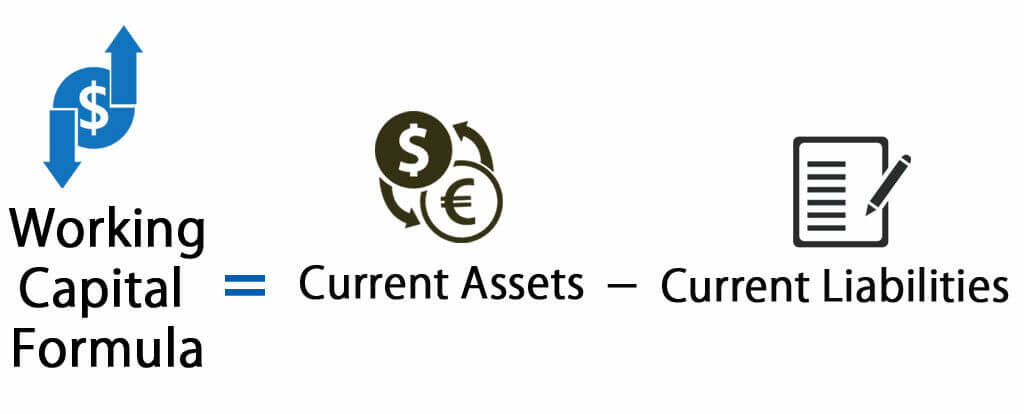
Working capital is a financial metric calculated as the difference between a company’s current assets and its current liabilities. In simpler terms, it represents the funds available to a business in the short term after accounting for its immediate financial obligations.
Formula for Working Capital:
Working Capital = Current Assets − Current Liabilities
Current Assets:
These are assets that can be liquidated or converted into cash within one year. Examples include:
- Cash and cash equivalents
- Accounts receivable
- Inventory
- Prepaid expenses
Current Liabilities:
These are obligations that a company needs to settle within one year. Examples include:
- Accounts payable
- Accrued expenses
- Short-term loans
- Taxes payable
Positive working capital indicates that the business has enough short-term assets to cover its short-term liabilities, enabling smooth operations and the ability to invest in growth opportunities. Negative working capital, however, implies potential liquidity issues and signifies that the company might struggle to meet its immediate financial obligations.
What Is a Working Capital Loan?
A working capital loan, by contrast, is a financial product offered by banks, alternative lenders, or financial institutions to help businesses fill gaps in their short-term cash flow or fund operational expenditures. Essentially, it’s borrowed money used for operational purposes rather than long-term investments like infrastructure expansion or capital equipment purchases.
Features of a Working Capital Loan:
1. Short-Term in Nature
Working capital loans are typically designed for short periods, spanning a few months to a couple of years.
2. Flexible Amount
The loan amount often depends on the borrower’s creditworthiness, business health, and the lender’s policies.
3. Purpose
These loans are primarily utilized to fund day-to-day business operations, such as paying suppliers, covering payroll, managing inventory fluctuations, or bridging seasonal income gaps.
4. Repayment Terms
Working capital loans may involve fixed monthly repayments or flexible repayment options, depending on the lender and the loan agreement.
Key Differences Between Working Capital and a Working Capital Loan
Although these terms are interrelated, they serve distinct purposes. Let’s dive deeper into the differences between working capital and a working capital loan:
1. Definition
Working Capital:
Working capital is a financial metric that reflects the availability of liquid assets to meet short-term liabilities. It’s a snapshot of the company’s operational financial health.
Working Capital Loan:
A working capital loan is borrowed money that businesses use to maintain or enhance their operational capabilities or cover cash flow gaps.
2. Source
Working Capital:
Generated internally through business operations. For example, revenue generated from sales and payments collected from customers contribute to working capital.
Working Capital Loan:
Comes from external sources such as banks, credit unions, alternative lenders, or other financial institutions.
3. Usage
Working Capital:
Working capital is used to support regular operations, such as buying inventory, paying bills, and financing everyday business requirements.
Working Capital Loan:
These loans are used to address immediate cash flow challenges or for short-term operational purposes.
4. Sustainability
Working Capital:
Represents a recurring financial state of the company. A healthy working capital serves as a foundational indicator of financial stability and operational efficiency.
Working Capital Loan:
Working capital loans provide temporary relief. They are not a sustainable solution for long-term liquidity challenges.
5. Cost
Working Capital:
Since working capital is internally generated, it doesn’t carry any direct financial costs like interest.
Working Capital Loan:
Borrowing via a working capital loan comes with costs such as interest rates, processing fees, and penalties (if applicable), which can add to a business’s financial burden.
Why Is Working Capital Important?
Maintaining sufficient working capital ensures the smooth functioning of day-to-day business operations. Here are key reasons why working capital is critical:
1. Operational Continuity
A healthy working capital ensures businesses can purchase raw materials, pay utilities, and settle short-term debts without interruptions to operations.
2. Solvency
Working capital serves as a buffer against financial hardships, enabling the company to avoid defaulting on urgent payments.
3. Fund Growth Initiatives
Businesses with surplus working capital can reinvest funds into expansionary initiatives, such as marketing campaigns, new product launches, or hiring skilled talent.
4. Enhances Creditworthiness
A company with positive working capital is perceived as financially stable, which improves its chances of acquiring loans or partnerships.
What Are the Benefits of a Working Capital Loan?
While maintaining positive working capital is ideal, economic fluctuations, unexpected expenses, and seasonal business models may cause temporary cash flow shortages. Here’s where a working capital loan comes into play. Key benefits include:
1. Quick Access to Cash
Working capital loans are often processed faster compared to other types of loans, providing businesses with immediate funds during urgent situations.
2. Flexibility
Businesses can use working capital loans for diverse operational needs, whether it’s salaries, inventory purchases, or utility bills.
3. Short-Term Relief
These loans help companies bridge periods of reduced revenue, such as seasonal downcycles or unexpected financial hiccups.
4. Preserve Equity
Unlike raising funds via equity or selling shares, working capital loans allow businesses to retain ownership while addressing liquidity challenges.
How to Determine Working Capital Needs
Knowing how much working capital a business needs is crucial. This can be determined by analyzing the company’s cash flow, operational cycles, and projected expenses versus revenues.
Best Practices for Managing Working Capital:
- Maintain Inventory Balance: Track inventory levels carefully. Overstocking ties up liquid assets, while understocking limits sales potential.
- Reduce Credit Sales: Minimize the gap between sales and accounts receivable collection to ensure steady cash flow.
- Negotiate Better Terms with Suppliers: Strive to extend payment terms with suppliers while reducing receivable collection cycles.
- Monitor Cash Flow: Utilize cash flow projections to identify incoming revenue and outgoing payments, ensuring adequate working capital reserves.
When to Consider a Working Capital Loan?
A working capital loan can be a vital resource in scenarios where businesses encounter cash flow gaps but anticipate recovery through incoming revenue. Situations that may warrant a working capital loan include:
1. Seasonal Business Cycles
Businesses that experience seasonal income fluctuations (e.g., retail businesses during holidays) may require working capital loans to cover expenses during slower periods.
2. Expansion Costs
Working capital loans can fund short-term operational expenses linked to expansion or product launches.
3. Unanticipated Expenses
Unexpected costs like equipment repairs, higher supplier prices, or increased tax obligations may necessitate a working capital loan.
4. Delayed Payments
When customer payments are delayed, a working capital loan can fill the gap and ensure timely payment of salaries and suppliers.
Choosing the Right Working Capital Loan
Selecting the appropriate working capital loan requires careful evaluation of the business’s needs, the loan terms, and the lender’s offerings. Key factors to consider include:
1. Interest Rates
Compare rates across lenders to minimize borrowing costs.
2. Repayment Terms
Evaluate whether repayment terms align with your projected cash flow.
3. Loan Amount
Choose a loan amount sufficient for your needs but avoid over-borrowing, which can strain future finances.
4. Fees
Watch for hidden fees, such as origination fees, processing charges, or penalties for early repayment.
Types of Working Capital Loans:
- Short-Term Loans: Fixed sums with defined repayment periods.
- Lines of Credit: Flexible borrowing arrangements with credit limits.
- Invoice Financing: Borrowing against outstanding invoices.
- Merchant Cash Advances: Advances against future credit card sales.
Limitations of Working Capital Loans
While working capital loans can be incredibly useful, they come with limitations:
- Cost: High interest rates and fees can impact profitability.
- Debt Accumulation: Over-reliance on loans can lead to a debt burden.
- Short-Term Solution: These loans don’t address systemic financial issues or long-term liquidity concerns.
Final Thoughts: Working Capital vs. Working Capital Loan
Both working capital and a working capital loan are vital elements of managing business finances. While working capital reflects inherent financial strength, working capital loans provide external support during liquidity constraints. Businesses must focus on maintaining positive working capital to ensure stability while strategically using working capital loans to address temporary cash flow gaps.
By understanding the differences and applications of these concepts, business leaders can strike the right balance and sustain both operational efficiency and financial health. Always remember that responsible financial planning is key to long-term success, whether allocating working capital or borrowing funds through a working capital loan.
Frequently Asked Questions (FAQs)
1. Is working capital the same as liquidity?
No. Working capital specifically measures a company’s short-term financial health by comparing current assets and liabilities, while liquidity refers to the overall ability to convert assets into cash quickly.
2. Can a working capital loan be used for purchasing equipment?
Generally, working capital loans are intended for short-term operational expenses rather than long-term investments like purchasing equipment.
3. What happens if a company has negative working capital?
Negative working capital can indicate financial difficulties, requiring immediate steps like cost-cutting, shortening receivable cycles, or obtaining financing.
4. Do seasonal businesses rely heavily on working capital loans?
Yes. Seasonal businesses often use working capital loans to manage periods of reduced income or fund operational expenses during peak seasons.
5. What are common alternatives to working capital loans?
Alternatives include invoice factoring, merchant cash advances, business credit lines, and utilizing surplus working capital reserves.
By taking a proactive approach to understanding and managing working capital and leveraging a working capital loan only when necessary, businesses can achieve sustained operational success and financial stability.