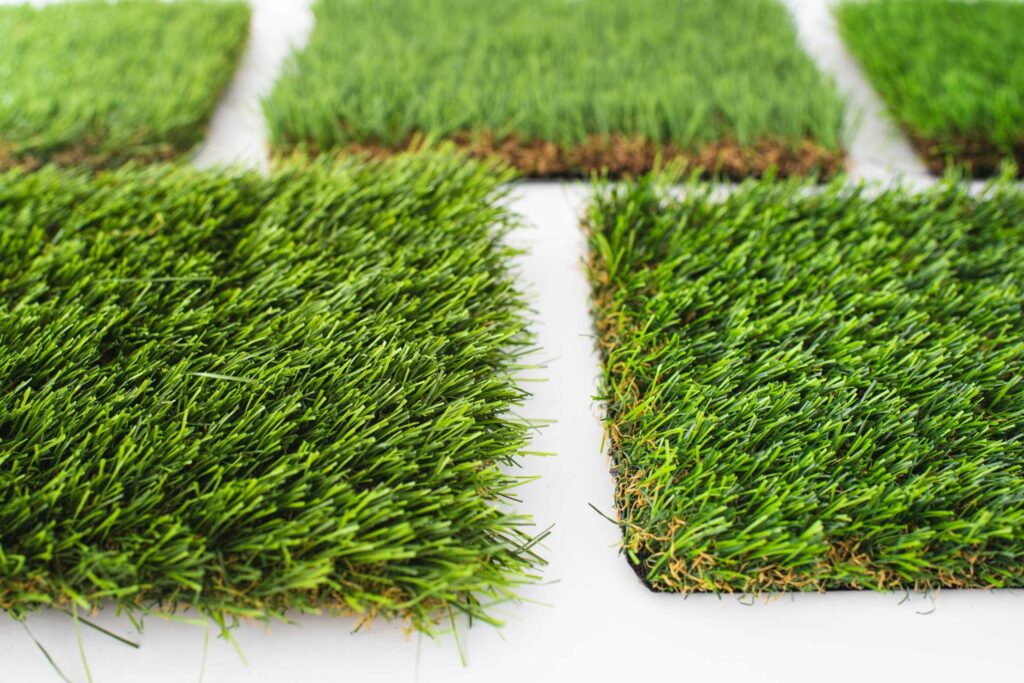

The use of artificial grass in sports facilities has been steadily increasing around the world, and the UAE is no exception. With its harsh climate and limited natural grass growth, sports venues in the region face unique challenges that make maintaining natural turf both costly and labor-intensive. Many sports facility managers are now turning to artificial turf as a solution, and artificial grass suppliers in UAE are seeing growing demand. This shift is driven by a combination of technological advancements, sustainability concerns, and the desire to offer high-quality playing surfaces for athletes across different sports.
Benefits of Artificial Grass for Sports Facilities
Durability and Longevity
One of the primary reasons sports facilities in the UAE are adopting artificial grass is its durability. Unlike natural grass, which can suffer from wear and tear due to heavy usage, artificial turf maintains a consistent quality over time. Football fields, cricket pitches, and multi-purpose sports areas often experience high traffic, making it difficult for natural grass to survive without constant maintenance. Artificial turf can withstand repeated use while retaining its aesthetic and functional qualities, which is essential for facilities hosting multiple events.
Cost-Effectiveness
Although the initial installation cost of artificial grass may be higher than planting natural grass, the long-term savings make it an attractive option. Natural grass requires regular watering, fertilizing, mowing, and pest control. In the UAE, where water resources are limited and landscaping costs are high, maintaining natural turf can quickly become expensive. Artificial grass eliminates most of these recurring costs, providing a more predictable and manageable financial commitment for sports facility operators.
Water Conservation
Water scarcity is a major concern in the UAE, and sports facilities that rely on natural grass require significant water for irrigation. Artificial turf drastically reduces water consumption, making it an environmentally friendly choice. Facilities can use this water for other purposes, such as landscaping or community needs, contributing to sustainability goals. This factor has contributed to the popularity of artificial turf in both public and private sports facilities.
Types of Sports Using Artificial Grass
Football
Football is one of the most popular sports in the UAE, and artificial grass has become a common choice for football fields. The synthetic turf provides a uniform playing surface that reduces the risk of injuries caused by uneven ground. Additionally, the field remains playable regardless of weather conditions, which is particularly important in regions with extreme heat or occasional heavy rainfall. Professional clubs, schools, and community centers have all embraced artificial grass for football pitches, creating a more consistent and reliable playing experience.
Tennis and Multi-Purpose Courts
Artificial grass is also being adopted for tennis courts and multi-purpose sports areas. The turf offers good traction, allowing players to move safely and confidently. Maintenance is minimal compared to natural surfaces, which can be affected by foot traffic, erosion, and weather. Multi-purpose sports facilities benefit from artificial grass because it can accommodate various activities without significant wear, making it a versatile investment.
Golf Courses and Putting Greens
Another area where artificial grass is gaining traction is golf courses and putting greens. Maintaining high-quality natural grass on golf courses requires intensive watering, mowing, and pest management. By using artificial turf, golf facilities in the UAE can offer players a consistent experience while reducing operational costs. Modern synthetic grass can mimic the feel and performance of natural grass closely, providing a realistic golfing experience for enthusiasts.
School and Community Sports Areas
Schools and community centers have also embraced artificial grass for their sports facilities. Natural grass often struggles to survive under heavy usage from students and community members. Artificial turf provides a safe, durable, and low-maintenance solution, allowing children and adults to enjoy sports throughout the year. The installation of artificial grass in educational and community facilities also reflects a growing awareness of sustainability and resource conservation.
Technological Advancements Driving Adoption
Improved Turf Quality
The adoption of artificial grass in UAE sports facilities has been fueled by technological advancements in turf design and manufacturing. Modern artificial turf closely mimics the look, feel, and performance of natural grass, addressing concerns about comfort and playability. Innovations in fiber technology, infill materials, and drainage systems have made artificial grass safer and more reliable for athletes. These improvements ensure that players experience minimal friction burns, reduced joint stress, and consistent ball behavior, which is critical for competitive sports.
Enhanced Drainage Systems
One of the main challenges for sports facilities in the UAE is heavy rainfall, which can flood fields and disrupt activities. Artificial grass systems now incorporate advanced drainage solutions that allow water to flow efficiently, preventing puddles and keeping the field usable after storms. This feature is particularly important for multi-purpose sports facilities, where downtime due to weather must be minimized.
Heat-Resistant Surfaces
The UAE experiences extremely high temperatures, which can make natural grass fields hard to maintain and unsafe for prolonged outdoor activity. New artificial turf technologies use heat-resistant fibers and reflective materials to reduce surface temperature. These innovations make playing on synthetic fields more comfortable, even during peak summer months, increasing the appeal of artificial grass for sports facilities across the region.
Economic and Environmental Impact
Reduced Maintenance Costs
For sports facility operators, one of the most significant advantages of artificial grass is the reduction in maintenance costs. Traditional grass requires ongoing investment in fertilizers, pesticides, mowing equipment, and labor. With artificial turf, these costs are drastically reduced, allowing facilities to allocate resources to other areas such as player development, facility upgrades, and event hosting.
Sustainability Benefits
Artificial grass is also seen as an environmentally responsible choice. By reducing water consumption and the use of chemical treatments, synthetic turf contributes to sustainability goals. Many facilities in the UAE are pursuing green certifications and environmentally friendly practices, and the adoption of artificial grass aligns with these initiatives. Furthermore, artificial turf has a long lifespan, meaning it does not need to be replaced frequently, which reduces waste over time.
Job Creation and Industry Growth
The growth of the artificial grass industry in the UAE has also created economic opportunities. As demand rises, more jobs are generated in manufacturing, installation, maintenance, and sales. Local artificial grass suppliers play a crucial role in this expanding market, supporting both large-scale sports venues and smaller community projects. This industry growth strengthens the UAE’s position as a hub for innovative sports infrastructure solutions.
Challenges and Considerations
Initial Investment
Despite its long-term benefits, the initial cost of installing artificial grass can be significant. Facility managers must carefully evaluate the upfront investment against expected savings in water, maintenance, and labor. However, many organizations find that the long-term benefits outweigh the initial expense, particularly when factoring in reduced downtime and improved playing conditions.
Heat Retention
While technological advancements have addressed heat concerns to some extent, artificial turf can still retain more heat than natural grass. Proper installation techniques, cooling systems, and shading solutions can mitigate this issue, but it remains a consideration for facilities in extremely hot areas.
Perception and Acceptance
Some athletes and sports purists prefer natural grass for its feel and tradition. Changing perceptions and educating players about the safety, performance, and benefits of modern artificial turf is essential for wider adoption. As more facilities install high-quality synthetic surfaces, acceptance is gradually increasing.
Role of Artificial Grass Suppliers
Artificial grass suppliers play a pivotal role in promoting the adoption of synthetic turf across sports facilities. They provide expertise in selecting the right type of turf for specific sports, ensuring proper installation, and offering maintenance guidance. Suppliers also contribute to research and innovation, helping develop materials that are more durable, environmentally friendly, and suitable for extreme climates. By offering tailored solutions, suppliers help sports facility operators maximize the benefits of artificial grass while minimizing potential drawbacks.
Future Trends
The future of artificial grass in UAE sports facilities looks promising. With ongoing improvements in material science and installation techniques, synthetic turf is expected to become even more realistic and versatile. We may see increased integration of smart technologies, such as sensors embedded in turf for performance monitoring and field management. Additionally, sustainability will continue to drive innovation, with recycled materials and eco-friendly manufacturing processes becoming more prevalent.
Community engagement is another trend likely to grow. As artificial turf allows facilities to host events year-round without worrying about field damage, sports programs for youth, amateur athletes, and recreational players will expand. This increased accessibility supports the UAE’s broader goals of promoting healthy lifestyles and sports participation.
Conclusion
The adoption of artificial grass in UAE sports facilities is driven by durability, cost-effectiveness, sustainability, and technological advancements. From football fields and tennis courts to golf courses and community sports areas, synthetic turf offers a practical and environmentally responsible alternative to natural grass. Advanced drainage systems, heat-resistant fibers, and improved turf quality have addressed traditional concerns, making artificial grass a preferred choice for sports facility operators.
As demand continues to rise, artificial grass suppliers in UAE will remain essential partners in providing expertise, innovative solutions, and ongoing support for installations. The future points to greater acceptance of synthetic turf, increased use of technology, and broader community engagement, positioning artificial grass as a cornerstone of modern sports infrastructure in the UAE.
Final Thought
The transition to artificial grass is not just a response to environmental and economic pressures; it represents a strategic investment in the future of sports in the UAE. Facilities equipped with high-quality synthetic turf can offer consistent, safe, and sustainable playing surfaces that benefit athletes, communities, and the environment alike. By embracing innovation and partnering with experienced suppliers, UAE sports venues are setting new standards for excellence in athletic infrastructure.