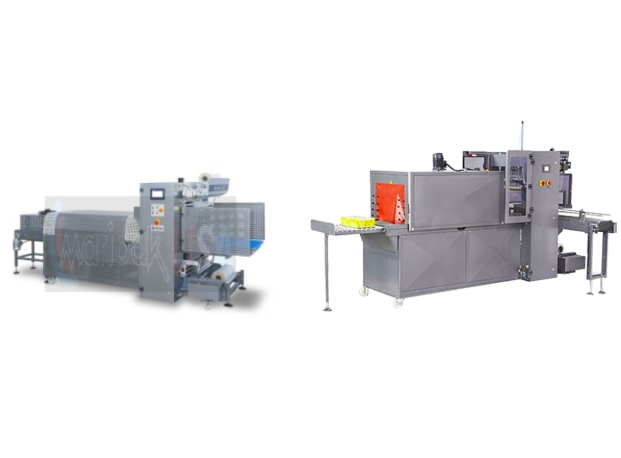

The packaging industry is undergoing a major transformation as technology continues to reshape how machines operate and interact. Businesses are increasingly adopting smart systems to improve productivity, reduce waste, and maintain consistent output. One of the most impactful advancements in this space is the integration of the Internet of Things into industrial processes. This innovation is revolutionizing how shrink wrap equipment performs by enabling intelligent communication, data analysis, and automation. With connected systems, manufacturers can monitor performance, optimize operations, and respond quickly to issues, ensuring greater efficiency and reliability across production lines.
Real-Time Monitoring And Performance Tracking
One of the most significant advantages of IoT integration is the ability to monitor machine performance in real time. Sensors embedded within shrink wrap equipment continuously collect data related to temperature, sealing quality, speed, and overall efficiency.
This information is transmitted to centralized systems, allowing operators to track performance instantly. Real-time monitoring helps identify irregularities before they escalate into major problems, ensuring smoother operations and reducing the risk of production delays.
Predictive Maintenance For Reduced Downtime
Traditional maintenance practices often rely on fixed schedules or reactive repairs, which can lead to unnecessary downtime or unexpected failures. IoT-enabled shrink wrap equipment introduces predictive maintenance by analyzing data trends and identifying early signs of wear or malfunction.
This proactive approach allows businesses to address issues before they cause breakdowns. As a result, downtime is minimized, repair costs are reduced, and equipment lifespan is extended, leading to more efficient operations.
Enhanced Automation And Smart Adjustments
Automation has become a cornerstone of modern manufacturing, and IoT takes it a step further by enabling machines to make intelligent adjustments. With IoT integration, shrink wrap equipment can automatically modify settings such as heat levels, speed, and pressure based on real-time conditions.
This ensures optimal performance without constant manual intervention. Smart automation not only improves efficiency but also maintains consistency across production runs, reducing errors and improving output quality.
Improved Quality Control And Consistency
Maintaining consistent packaging quality is essential for protecting products and meeting customer expectations. IoT technology allows shrink wrap equipment to monitor critical parameters and ensure that each package is sealed correctly.
If any variation is detected, the system can immediately adjust settings or alert operators. This level of precision reduces defects, enhances product presentation, and ensures that quality standards are consistently met.
Remote Access And Centralized Control
IoT integration enables remote access to machinery, providing greater flexibility for operators and managers. With connected shrink wrap equipment, users can monitor and control operations from anywhere using digital interfaces.
This capability is particularly valuable for large-scale facilities or businesses with multiple production sites. Remote access allows for quick decision-making and reduces the need for on-site supervision, saving time and resources.
Energy Efficiency And Cost Savings
Energy consumption is a major concern in industrial operations. IoT-enabled systems can optimize energy usage by adjusting machine performance based on demand. Shrink wrap equipment equipped with smart technology can reduce unnecessary energy consumption during idle periods or low production phases.
This not only lowers operational costs but also contributes to sustainability efforts. Efficient energy management helps businesses achieve their environmental goals while maintaining productivity.
Integration With Smart Manufacturing Ecosystems
Modern manufacturing relies on interconnected systems that work together seamlessly. IoT allows shrink wrap equipment to integrate with other machines and software platforms within the production line.
This connectivity improves coordination, reduces bottlenecks, and enhances overall workflow. Centralized data collection also enables better analysis and decision-making, helping businesses optimize their processes and improve performance.
Conclusion
IoT integration is redefining the capabilities of industrial machinery, bringing a new level of intelligence and efficiency to packaging operations. By enabling real-time monitoring, predictive maintenance, and advanced automation, businesses can achieve greater control and consistency in their processes. These advancements not only improve productivity but also support long-term sustainability and growth.
Incorporating solutions like machine shrink wrap systems further enhances these benefits, ensuring that modern packaging operations remain efficient, reliable, and aligned with the evolving demands of the industry.