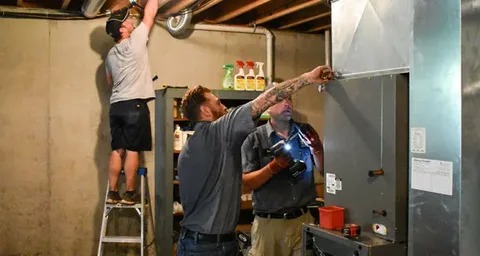

Living in a place like Denver has taught me one thing very quickly. Winters are not something you casually prepare for. They demand attention, planning, and most importantly, a heating system that works exactly when you need it. I learned this the hard way a few years ago when my furnace failed on one of the coldest nights of the season. Since then, I have taken furnace safety checks seriously, and the difference it has made is remarkable.
In this article, I want to share my perspective on how routine furnace safety checks do much more than ensure warmth. They actively prevent costly repairs, reduce stress, and extend the life of the system.
Understanding the Role of a Furnace in Daily Comfort
Before I began paying attention to maintenance, I underestimated how complex a furnace really is. It is not just a box that produces heat. It is a system made up of burners, heat exchangers, filters, blowers, and electrical components that all need to work in harmony.
When one part starts to fail, it puts pressure on the rest of the system. What begins as a small inefficiency can quickly escalate into a breakdown. This is exactly why safety checks are so important. They catch issues before they evolve into major problems.
My Experience With Unexpected Furnace Repairs
I still remember the frustration of waking up to a freezing house. The repair technician explained that the issue had been building for months. A clogged filter had restricted airflow, which overheated the system and damaged internal components.
What struck me most was how preventable it all was. A simple inspection could have identified the airflow issue early. Instead, I ended up paying for parts, labor, and emergency service fees. That experience changed my approach entirely.
What Happens During a Furnace Safety Check
When I first scheduled a professional inspection, I was curious about what actually goes into it. It turned out to be far more thorough than I expected.
A technician typically inspects and tests multiple components, including:
- Heat exchanger for cracks or damage
- Burners for proper ignition and flame quality
- Thermostat calibration
- Air filters and airflow efficiency
- Electrical connections and safety controls
- Venting system for blockages
Each of these checks plays a role in preventing future repairs. By identifying wear and tear early, technicians can fix minor issues before they become expensive failures.
Early Detection Saves Money
One of the biggest lessons I have learned is that prevention is always cheaper than repair. When a technician spots a loose connection or a slightly worn component, fixing it immediately costs very little.
Compare that to waiting until the part fails completely. At that point, the damage often spreads to other components, increasing both the complexity and cost of repairs.
Routine safety checks act like an early warning system. They give you the chance to act before things spiral out of control.
Improved Efficiency Reduces System Strain
Another benefit I noticed after regular inspections was improved efficiency. My furnace started heating the house faster and more evenly.
This matters because an inefficient system has to work harder to produce the same level of heat. That extra strain accelerates wear and tear, leading to more frequent breakdowns.
By keeping the system clean and properly adjusted, safety checks reduce unnecessary stress on internal components. Less strain means fewer repairs over time.
Extending the Life of the Furnace
Replacing a furnace is a major investment. Naturally, I wanted mine to last as long as possible.
Regular safety checks contribute directly to longevity. When all parts are functioning correctly, the system operates within its intended limits. This prevents premature aging of critical components.
I have come to see maintenance not as an expense, but as a way to protect a long term investment.
The Importance of Seasonal Timing
Timing plays a crucial role in furnace maintenance. I have found that scheduling a check before winter begins is the most effective approach.
This ensures that any issues are resolved before the system is pushed into heavy use. Waiting until the middle of winter increases the risk of unexpected breakdowns when technicians are busiest and response times are longer.
Planning ahead has saved me both time and inconvenience.
Safety Beyond Repairs
While preventing repairs is a major benefit, safety checks also address risks that go beyond mechanical issues.
For example, a cracked heat exchanger can lead to carbon monoxide leaks. Faulty wiring can pose fire hazards. These are not just repair concerns. They are serious safety risks.
Knowing that my furnace has been thoroughly inspected gives me peace of mind that goes beyond comfort.
Choosing Professional Expertise
At first, I considered handling some maintenance tasks myself. While basic steps like changing filters are manageable, a full safety check requires professional expertise.
Technicians have the tools and experience to detect issues that are not visible to the untrained eye. They can measure gas pressure, test electrical systems, and evaluate combustion efficiency with precision.
When I scheduled my first Furnace Safety Check Service in Denver, I realized how much detail goes into a proper inspection. It is not something that can be replicated with guesswork.
Reducing Emergency Situations
One of the most stressful aspects of furnace failure is the timing. Breakdowns rarely happen when it is convenient. They tend to occur during peak usage, often in extreme cold.
Since I started regular inspections, I have not experienced a single emergency breakdown. That alone has made the effort worthwhile.
Avoiding emergency repairs also means avoiding premium service charges and long wait times.
Building a Maintenance Routine
Over time, furnace safety checks have become a standard part of my home maintenance routine. I treat them the same way I would treat servicing a car.
Consistency is key. Skipping a year might not seem like a big deal, but small issues can develop quickly. Regular inspections keep everything on track and prevent surprises.
Final Thoughts
Looking back, I see furnace safety checks as one of the smartest decisions I have made as a homeowner. They have saved me money, reduced stress, and ensured that my home stays comfortable throughout the winter.
In a city like Denver, where cold weather is a serious factor, taking a proactive approach to furnace maintenance is not just practical. It is essential.
If there is one piece of advice I would offer, it is this. Do not wait for something to go wrong. A simple inspection today can prevent a major repair tomorrow.