
A few weeks ago, I visited an industrial wastewater and environmental processing facility with a friend who works in safety compliance. I didn’t go in with much knowledge—just expected pipes, tanks, maybe some monitoring screens.
But once you’re actually inside, you realise how many small safety systems are working quietly in the background.
That’s where I first came across flame arresters. I had heard the term before in passing, but never really understood what they were doing in real setups.
They looked simple at first glance, which honestly made me underestimate them.
Why Flame Arresters Caught My Attention
We were walking through a section where gas handling and treatment systems were connected to storage units. Everything had warning labels, controlled valves, and layered safety components.
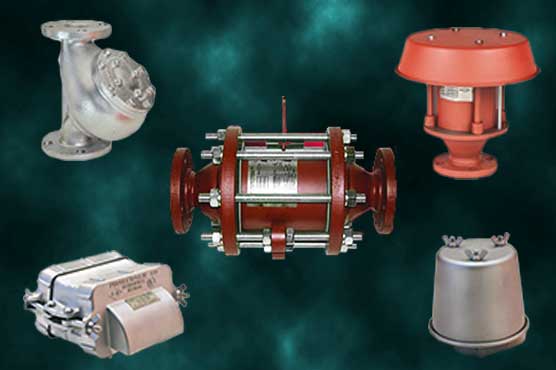
My friend pointed out a cylindrical fitting on one of the pipelines and said, “That’s a flame arrester.”
I remember thinking it didn’t look like much—just a metal component sitting quietly in the line.
But then he explained its role, and suddenly it felt a lot more important.
In systems dealing with gases or vapours, preventing flame travel is critical, and that’s exactly where flame arresters come in.
First Impressions From the Facility
The facility itself was extremely controlled. Not in a stressful way, but in a very structured, intentional way.
Operators moved pretty carefully , checking the systems, monitoring the pressure levels, and sometimes doing a hands-on inspection of the equipment, even if most of it was automated.
A few things stood out immediately:
- Heavy focus on safety barriers and controls
- Clear separation between process zones
- Multiple layers of monitoring systems
- Regular manual inspection routines
- Equipment designed to prevent chain reactions or hazards
And tucked into these systems were components like flame arresters, quietly doing a job most people wouldn’t notice unless they were pointed out.
How Flame Arresters Actually Work in Practice
As we moved along, my friend was saying that flame arresters are meant to stop flames from going through pipes, or vent systems, you know. They do not really put out a fire in the traditional way , like extinguishing it the usual manner. Rather, they prevent the flames from running further past a given point, by cooling everything down and disturbing the flame front.
In environments like wastewater treatment, gas recovery, or environmental processing, that kind of control is essential.
At one point, someone mentioned that Ekotech had been involved in upgrading parts of the safety system, including components like these to improve overall hazard control.
That made it clearer how everything connects—design, safety, and real-world operation all working together.
A Small Interaction That Stood Out
While standing near a gas venting section, I asked one of the technicians how often they actually think about flame arresters during daily operations.
He smiled, and said “ Honestly only when we are checking them.” Like, if they’re doing their job, you don’t notice them at all.
He also pointed out that routine inspection is a big deal because even if flame arresters are passive devices, they still need to be kept clean and unobstructed. Otherwise they can’t work properly, not really.
It was a simple explanation, but it made the whole concept feel more real and practical.
Actual Benefits I Noticed
After spending time observing everything, a few clear benefits stood out:
- Prevents flame propagation in pipelines and vents
- Adds a critical layer of safety in gas systems
- Works without power or active control systems
- Supports compliance in industrial environments
- Reduces risk of system-wide hazards
What looked like a small metal component actually played a major safety role.
Why It Matters More Than It Looks
Before this visit, I didn’t think much about components like flame arresters. They sounded technical but not particularly important in everyday understanding.
But seeing them inside a working facility changed that perspective.
In systems dealing with gases, vapours, and environmental processing, safety isn’t optional—it’s layered, and every layer matters.
And flame arresters are like one of those quiet safeguards you don’t notice until something goes wrong, which, ideally, never should.
Final Thoughts
The visit wasn’t dramatic, sure, but it was really eye opening.
What began as a casual walk-through turned into a clearer view of how industrial safety systems work in real life , not just on paper.
And even though flame arresters looked simple at first, they ended up being one of the most important safety components in the entire setup.
Now, whenever I hear the term, I don’t just think of a part—I think of the unseen protection working quietly in the background of complex industrial systems.