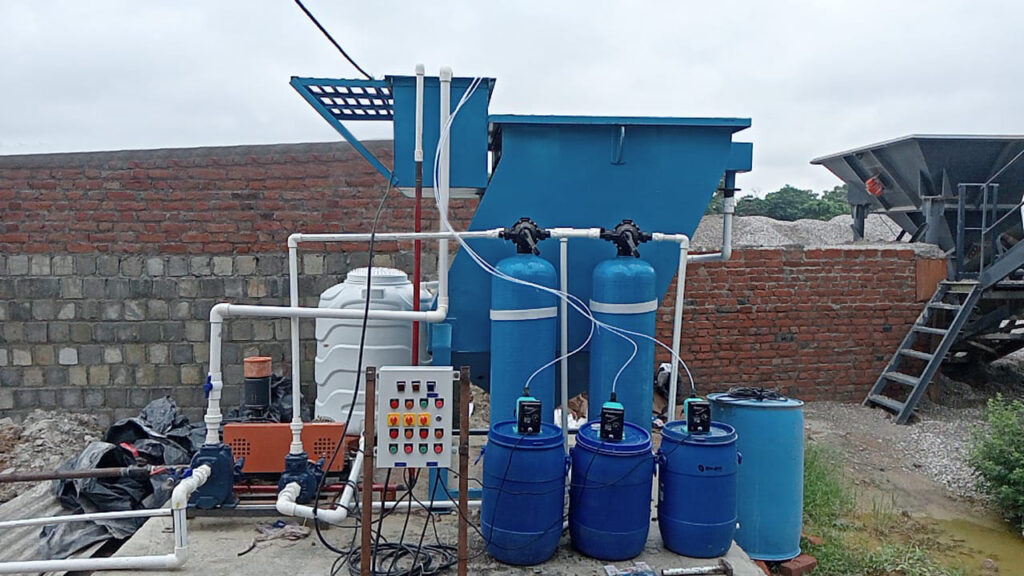

Effluent Treatment Plants play a key role in industries to manage their wastewater efficiently. As we know, industries produce a lot of wastewater every day. Nowadays, Industrial water pollution control rules have been strict. To meet the environmental standards, you should adopt industrial wastewater treatment.
Industries face a major challenge of managing Sustainable wastewater management when they expand their business. In this blog, you will get information on Effluent Treatment Plants, why Is It important for Industrial wastewater treatment, how does the ETP treatment process works, and the benefits.
What is an Effluent Treatment Plant?
An effluent treatment plant is a wastewater treatment system that filters the industrial wastewater, which is sent to the environment. It makes wastewater clean, which does not harm the environment.
An industrial wastewater treatment system removes the harmful chemicals, heavy metals, and other pollutants. It is especially designed for the industrial units for Sustainable wastewater management.
What are the Benefits of Installing an Effluent Treatment Plant?
There are many benefits of installing an effluent treatment plant at industry space, such as reducing carbon footprint, meeting Industrial water pollution control standards, and reducing freshwater demand.
- Environmental Protection
By treating the industrial wastewater, it makes the water safe for discharging into the environment, rivers, or oceans.
- Meet Industrial Water Pollution Control Norms
ETP ensures that meet all the standards of Industrial water pollution control norms. This helps in building a green brand image that attracts potential investors.
- Reduce Fresh Water Demand
By reusing the wastewater, the Effluent Treatment Plant reduces the freshwater demand. It also meets the daily freshwater demand while reducing the carbon footprint.
- Support Environmental Goals
The Effluent Treatment Plant also supports meeting environmental goals. Through CSR activities, companies can easily meet their sustainable goals.
How Does the ETP Plant Process Work?
The ETP plant processes work in different stages, like preliminary, primary, secondary, tertiary, and sludge handling.
- Preliminary Treatment and Primary Treatment
In the Preliminary Treatment, it removes the large solids and grease through screening. This helps prevent blockage or damage to downstream equipment. In a typical process, heavier solids settle to the bottom, and lighter particles float.
- Secondary Treatment
At this stage, the Effluent Treatment Plant uses microorganisms to break down organic matter in wastewater. Microorganisms decompose waste materials, converting pollutants into by-products such as carbon dioxide and water.
- Tertiary Treatment
Tertiary Treatment filters the water and removes maximum pollutants. Through filtration, residual solids are removed, which makes water safe for non-drinking purposes.
- Sludge Handling
During this process, the collected solids are dewatered and disposed of as per environmental norms.
Where Are Effluent Treatment Plants Used?
The Effluent Treatment plants are used in industries that produce wastewater in large amounts everyday. As per the Industrial Water Pollution Control norms, industries can not discharge wastewater into the environment.
The Effluent Treatment plants are used in different industries like:
- Textile & Dyeing Industries
- Pharmaceuticals and Chemical Manufacturing
- Leather Tanning Industry
- Refineries and Power Plants
- Food and Beverage Industry
Why Should You Choose Koshish India for an Effluent Treatment Plant?
If you are looking for a reliable Effluent Treatment Plant installer for your industry, choose Koshish India. We have 10 years+ of experience in Sustainable wastewater management.
Our expert team understands your daily water consumption needs, chemical levels, and how much wastewater you produce every day.
On behalf of the site visit, we designed a custom wastewater treatment system that efficiently filters wastewater and makes it safe for discharge into the environment or rivers. It also meets the environmental standards and prevents heavy penalties. We also provide STP solutions for homes and offices.
Frequently Asked Questions (FAQs)
What is the difference between STP and ETP?
Both systems treat wastewater and make it safe for discharge or non-drinking purposes. STP (Sewage Treatment Plant) is used for household waste that is generated from the kitchen, bath or cleaning.
While the Effluent Treatment Plant is used for filtering the industrial wastewater, it removes harmful chemicals from the wastewater and makes it safe for discharge into rivers.
What is ETP in waste management?
Effluent Treatment Plants are wastewater treatment systems that clean the wastewater, which is produced from the industry through chemical activity.
It saves on pollution control fines and builds a green brand image. By filtering the wastewater, industries can discharge water into the river.
What are BOD and COD in ETP?
COD (Chemical Oxygen Demand) and BOD (Biochemical Oxygen Demand) are important parameters for measuring water pollution in wastewater treatment plants (ETPs).
COD measures all oxidizable organic/inorganic substances using strong chemicals, while BOD measures the amount of oxygen required by microorganisms to decompose organic substances in 5 days. COD values are higher than BOD and allow for rapid assessment of pollution.
Domestic Biogas , Commercial Biogas , BioGas , Sewage Water Treatment Plant , Effluent Water Treatment Plant , Zero Liquid Discharge Water Treatment Plant