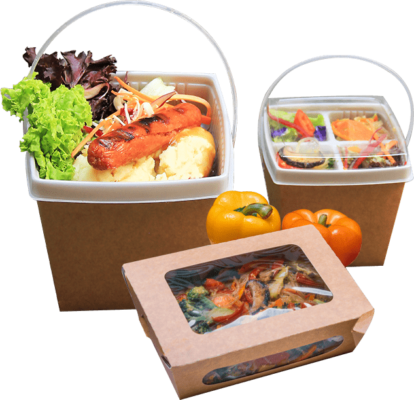

Waste from food packaging is one of the most visible signs of modern consumption, and in a densely populated city like Singapore, managing it efficiently has become both an environmental and logistical priority. As takeaway culture and food delivery continue to grow, the shift toward eco conscious solutions is no longer optional—it is necessary.
The Growing Challenge of Packaging Waste
Singapore generates substantial amounts of waste annually, with packaging materials forming a significant portion. Single-use plastics, multilayer containers, and non-recyclable packaging often end up in incineration plants or landfills. While waste-to-energy systems help reduce volume, they do not eliminate the environmental impact.
This challenge has led to increased attention on eco friendly food packaging in Singapore, which focuses on reducing waste at its source rather than managing it after disposal. By rethinking materials and design, packaging can play a proactive role in sustainability.
What Makes Packaging Eco Friendly
Eco friendly packaging is not defined by a single feature but by a combination of characteristics that minimize environmental harm throughout its lifecycle. These include:
- Biodegradability: Materials that break down naturally without leaving toxic residues
- Recyclability: Packaging designed to be easily processed and reused
- Compostability: Organic materials that decompose into nutrient-rich compost
- Minimal material use: Reducing excess layers and unnecessary components
Such approaches ensure that packaging does not persist in the environment long after its use.
How It Reduces Waste
The effectiveness of eco friendly packaging lies in its ability to address waste at multiple stages. Instead of relying solely on disposal systems, it integrates waste reduction into production and consumption.
- Lower Dependence on Single-Use Plastics
Traditional plastic packaging is durable but environmentally persistent. Eco friendly alternatives replace these with materials like paper-based composites, plant fibers, or bioplastics that degrade more efficiently.
- Improved Recycling Efficiency
Standardized and simplified packaging designs make it easier for recycling systems to process materials. Clear labeling and reduced material mixing help prevent contamination in recycling streams.
- Encouraging Reuse Systems
Reusable containers and returnable packaging models are gaining traction. These systems reduce the need for constant production of new materials, significantly cutting down overall waste.
- Source Reduction Through Design
Lightweight packaging and compact designs reduce the volume of materials used. Even small changes in thickness or structure can lead to substantial waste reduction when scaled across millions of units.
The Role of Businesses and Consumers
Reducing packaging waste is a shared responsibility. Businesses influence material selection and design, while consumers determine how packaging is used and disposed of.
Businesses contribute by:
- Choosing sustainable raw materials
- Designing packaging for recyclability
- Reducing unnecessary packaging layers
Consumers contribute by:
- Properly sorting and disposing of waste
- Supporting sustainable packaging options
- Reusing containers when possible
This collaboration creates a more efficient and circular system.
Policy and Infrastructure Support
Singapore’s structured waste management system supports the transition toward sustainability. Policies that encourage recycling, resource efficiency, and waste reduction provide a framework for adopting better packaging solutions.
At the same time, infrastructure such as recycling facilities and waste-to-energy plants ensures that even unavoidable waste is managed responsibly. However, long-term impact depends on reducing waste generation itself, which is where eco friendly food packaging in Singapore becomes especially relevant.
Moving Toward a Circular Approach
A key concept shaping modern packaging is the circular economy, where materials are continuously reused rather than discarded. Eco friendly packaging aligns with this model by prioritizing durability, recyclability, and resource efficiency.
Instead of a linear “use and dispose” system, materials are kept in circulation for as long as possible. This reduces the demand for new raw materials and minimizes environmental strain.
Conclusion
The shift toward eco friendly food packaging in Singapore represents a practical response to a complex waste challenge. By focusing on smarter materials, efficient design, and shared responsibility, packaging can transition from being a major waste contributor to part of the solution. Over time, these incremental changes collectively reduce environmental impact and support a more sustainable urban ecosystem.