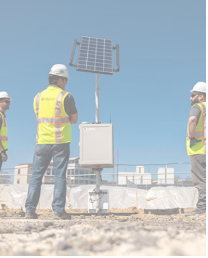

Site conditions rarely change one piece at a time. Dust levels can rise in one area, VOC activity can shift in another location, and air movement patterns can change direction across the same period. Looking at only one measurement can create blind spots. Modern projects need a broader view that explains how several factors work together. That is why real-time air monitoring has moved toward connected systems that provide a larger picture instead of isolated readings. CLASSIC 2.0 was built around one important idea. Air data becomes more useful once multiple measurements work together. Rather than collecting values through separate instruments that operate independently, the system gathers several data streams into one coordinated process. This creates stronger visibility into changing conditions near off-site receptors and monitored boundaries. It also helps users understand how one change can connect with another event happening at the same time.
Stop Reading Single Numbers, Start Reading Air Behavior
Many monitoring systems focus on individual readings. One device may record particulate activity while another tracks VOC concentrations. This setup creates separated information that can be difficult to compare. Reviewing several systems at once can slow interpretation and create gaps in understanding.
CLASSIC 2.0 approaches monitoring from a different angle. The system combines compound-specific VOC analysis, particulate monitoring, and site condition measurements into one connected structure.
This matters because air activity behaves like a moving pattern, not a collection of unrelated events. A dust increase, a shift in wind direction, and changing VOC values may happen during the same period. Reviewing these measurements together creates a stronger understanding and helps explain what is taking place around monitored areas.
The goal is not simply to collect data. The goal is understanding behavior. Small changes become easier to explain because connected measurements provide a broader view. This allows project teams to move beyond numbers and focus on understanding patterns across a site boundary.
Why Three Data Streams Can Explain One Air Event
Air conditioning often creates connected signals. One change can influence several measurements at the same time. Reviewing only one source may miss the larger picture and create an incomplete understanding of site activity.
CLASSIC 2.0 combines three major monitoring functions through one platform. The system tracks particulate measurements, compound-specific VOC activity, and site meteorological information at the same time.
Dust meters measure PM10, PM2.5, and total suspended particulate values through direct reading technology. Field gas chromatographs review VOC concentrations. Site instruments measure wind speed, direction, temperature, and relative humidity.
These values work together rather than operating separately. Small changes become easier to understand because multiple readings provide supporting context. Instead of looking at separate charts and isolated values, users can review one connected process that provides stronger visibility into changing site conditions.
Data Gets Stronger Once Direction Enters the Picture
Numbers alone cannot explain movement. Direction often changes how measurements should be interpreted. A concentration increase may appear significant at first glance, yet movement patterns can help explain how conditions developed.
CLASSIC 2.0 includes a site meteorological tower that continuously gathers atmospheric conditions. The system calculates two-minute running averages to identify monitoring stations as upwind, downwind, or crosswind.
This process creates stronger visibility into how readings move across monitored areas.
A concentration increase may appear important at first glance. Direction analysis can help explain whether conditions moved toward a monitoring station or shifted away from it. That context creates a stronger understanding of surrounding activity.
Projects using real-time air perimeter air monitoring often need this broader interpretation process because air conditions rarely stay fixed. Readings can shift across different locations during short periods, making directional context an important part of interpretation.
From Broad VOC Signals to Compound Level Detail
Many systems stop after reporting general VOC values. That approach can leave important questions unanswered and reduce visibility into changing conditions.
CLASSIC 2.0 field gas chromatographs can operate in Total Volatile Organic Compound mode and compound-specific mode. If a selected threshold level is reached, the system can move from broad screening into compound identification.
This process creates more useful information. Rather than seeing only a general increase, users can review individual compounds linked to changing conditions.
That level of detail creates a stronger understanding of activity across monitored locations. Reviewing compound-specific information can help explain changing patterns that broad measurements alone may not reveal.
Wrap Up:
A monitoring system should not function like disconnected pieces. Measurements become more valuable once information begins working together. Data becomes easier to understand once different readings provide context for each other. CLASSIC 2.0 was designed as a connected platform that combines VOC analysis, particulate measurements, and site condition information into one process. This creates stronger visibility and supports better interpretation near off-site receptors. A complete real-time air monitoring system should help explain changing conditions rather than simply producing readings. It should provide a better understanding of movement patterns, direction changes, and activity across monitored areas.
If your project requires broader visibility and connected monitoring capabilities, CLASSIC 2.0 provides a more informed approach to understanding changing air activity.