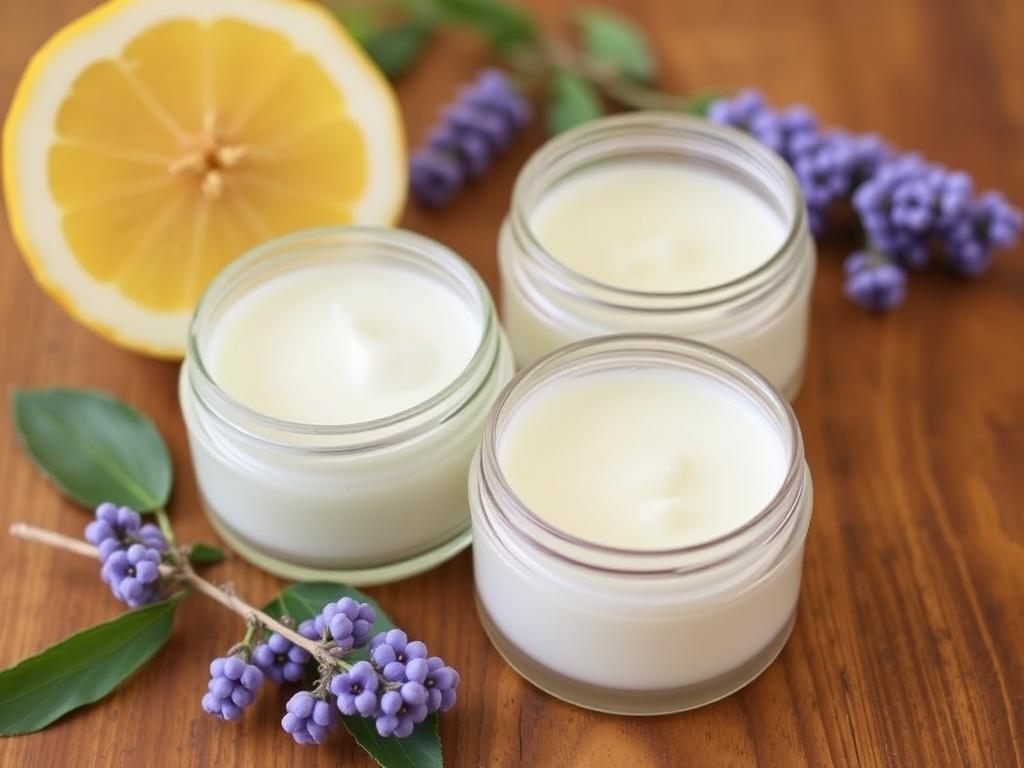

Soft, hydrated skin is a priority for many, and selecting the right moisturizer is essential. Products from a 100% pure body cream store provide intense hydration compared to regular lotions. Understanding the differences between body creams and lotions allows for better selection based on skin type, lifestyle, and climate. This guide outlines textures, absorption rates, and moisturizing power, helping you determine which option provides optimal hydration and keeps skin soft, healthy, and well-nourished.
What Is Body Cream?
Body cream is a rich, thick moisturizer with a high concentration of oils and emollients. Its dense texture makes it ideal for dry or sensitive skin and areas prone to roughness, like elbows, knees, and heels. Creams form a protective barrier that locks in moisture, preventing water loss. Regular application, particularly after bathing or at night, ensures long-lasting hydration. Many creams include vitamins and natural oils that enhance skin softness and elasticity, providing nourishment beyond basic moisturization.
What Is Lotion?
Lotions are lighter moisturizers with a higher water content, making them easy to apply and fast-absorbing. They suit normal to slightly dry skin and work well for covering larger body areas quickly. Lotions are ideal for warmer climates or those who prefer a non-greasy feel. Frequent application may be necessary for very dry areas, but their lightweight nature allows comfortable use during the day. Many formulations include SPF or subtle fragrances, adding both protection and a sensory experience to daily hydration routines.
Key Differences Between Body Cream and Lotion
- Texture: Creams are thick; lotions are light.
- Moisturizing Power: Creams provide long-lasting hydration due to oil content.
- Absorption: Lotions absorb quickly, ideal for touch-ups.
- Skin Type Suitability: Creams suit dry/sensitive skin; lotions fit normal/slightly dry skin.
- Climate Considerations: Creams for cold, dry weather; lotions for warm, humid environments.
These distinctions help guide decisions based on specific hydration needs and daily routines.
Benefits of Using Body Cream
Body creams deliver deep hydration to extremely dry skin and protect against moisture loss. They nourish rough patches and often contain vitamins or oils that support skin health. Regular use can improve texture and elasticity, leaving skin soft and supple. Creams are particularly effective during winter months or in low-humidity environments, where skin tends to lose water quickly. By applying cream consistently, the skin barrier strengthens, reducing dryness, flaking, and discomfort associated with sensitive skin conditions.
Benefits of Using Lotion
Lotions offer lightweight hydration that absorbs quickly without leaving a greasy residue. They are convenient for covering large areas of skin and can be applied multiple times daily as needed. Lotions often contain added benefits, such as SPF or subtle fragrances, enhancing both protection and sensory appeal. Their fast absorption makes them ideal for warm weather or active lifestyles. While they may not provide the intensive moisture of creams, lotions ensure consistent hydration for normal or slightly dry skin types throughout the day.
When to Choose Body Cream
Body cream is the preferred choice for persistent dryness, rough patches, or sensitive skin. It is especially useful in cold climates or during winter when skin moisture evaporates rapidly. Creams applied to damp skin after a bath enhance absorption and lock in hydration effectively. People with eczema or other sensitivities benefit from creams with minimal additives, which protect the skin barrier while soothing irritation. Choosing body cream ensures long-lasting comfort, hydration, and nourishment in areas most prone to dryness.
When to Choose Lotion
Lotion works best for daily hydration needs in normal or slightly dry skin types. Its lightweight, non-greasy texture makes it comfortable during the day and in warmer climates. Lotions are convenient for families, as children often prefer the smooth feel. Quick application and easy absorption make lotions ideal for large areas or touch-ups between showers. For mild dryness, a lotion provides consistent moisture without heaviness, making it a practical solution for maintaining healthy skin throughout daily routines.
Tips for Maximizing Hydration
Applying moisturizers to slightly damp skin helps lock in water. Patting skin dry instead of rubbing reduces moisture loss. Using body cream on extremely dry areas while applying lotion elsewhere optimizes hydration. Layering products, such as applying lotion first and cream over stubbornly dry spots, can provide intensive care. Staying hydrated internally by drinking water complements topical moisturization, supporting soft, supple skin. Regularly monitoring skin’s response to products ensures consistent hydration without irritation.
Conclusion
Both body creams and lotions serve unique purposes based on skin type, climate, and personal preference. Creams provide intensive, long-lasting hydration suitable for dry or sensitive areas, while lotions deliver lighter, quick-absorbing moisture for normal or mildly dry skin. Understanding their differences allows for informed choices, maximizing hydration and maintaining soft, healthy skin year-round. Selecting the right product ensures a balanced skincare routine that addresses both daily moisture needs and specific dry zones effectively.
FAQs
Can I use body cream and lotion together?
Yes. Applying lotion to most areas and cream to dry patches enhances overall hydration efficiently.
Which is better for winter, cream or lotion?
Body cream provides better moisture retention during colder months due to its thick texture and high oil content.
Can lotions work for sensitive skin?
Lotions may suit mildly sensitive skin, but creams with minimal additives offer more protection for very sensitive areas.
How often should I reapply lotion?
Reapplication depends on dryness and climate. Normally, two to three times daily ensures consistent hydration.
Does body cream improve skin elasticity?
Creams enriched with vitamins and natural oils can support skin elasticity over time when used consistently.