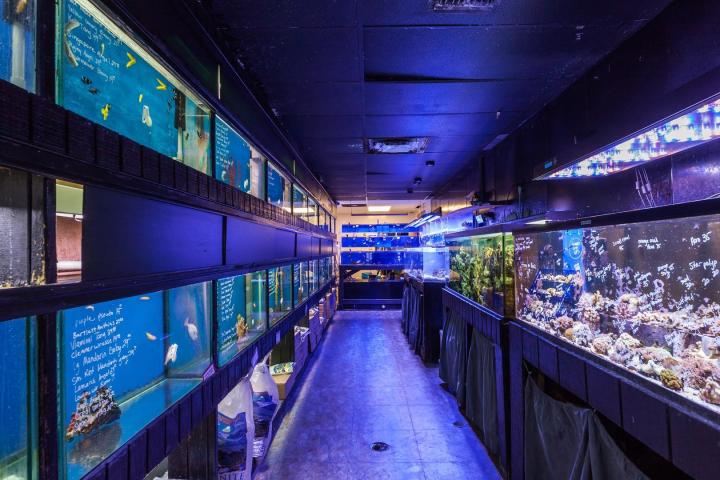

Adding new fish to a mature aquarium demands patience, planning, and careful timing to protect the existing ecosystem. Many hobbyists purchase healthy species from a Saltwater fish store online and expect them to settle in quickly, yet sudden changes often trigger stress and aggression. Stable water chemistry, slow acclimation, and controlled observation make a noticeable difference. A step-by-step approach prevents disease, protects territorial balance, and helps every fish adjust safely without disrupting the harmony of the tank community.
Why Careful Introduction Matters
Established aquariums operate with delicate biological balance supported by beneficial bacteria and consistent routines. New arrivals can disturb that balance by adding extra waste or introducing pathogens. Resident fish may defend territory and chase newcomers, creating stress that weakens immunity. Illness spreads rapidly in shared water, turning small problems into costly setbacks. Thoughtful preparation lowers these risks and protects both livestock and equipment. Controlled introductions create a calm environment where fish remain active, healthy, and less prone to conflict.
Evaluate Species Compatibility First
Compatibility research determines whether fish will coexist peacefully. Temperament, adult size, swimming level, and diet influence behavior inside the tank. Aggressive species may dominate timid ones, while fast feeders can outcompete slower fish. Matching temperature and pH preferences prevents constant strain on their bodies. Overstocking or mixing incompatible species often leads to injury and stress. Careful selection based on behavior patterns and environmental needs ensures a balanced community that remains stable long after the introduction process.
Prepare And Stabilize The Aquarium
Tank preparation should happen several days before new fish arrive. Test ammonia, nitrite, nitrate, and pH to confirm safe readings and correct any fluctuations. Clean mechanical filters, remove debris, and perform a partial water change to refresh conditions. Rearranging decorations breaks established territories and reduces aggression toward newcomers. Extra plants, caves, or driftwood provide hiding spaces where fish can rest. Stable, clean water and secure shelter create a welcoming environment that encourages smoother adaptation.
Set Up A Dedicated Quarantine Tank
A quarantine tank protects the main display from disease and parasites that may not show immediately. A simple setup with a heater, sponge filter, and bare bottom makes cleaning easy and observation clear. Fish remain isolated for two to four weeks while their behavior and appetite are monitored daily. Treatments can be applied safely without affecting other fish or beneficial bacteria. Isolation reduces risk and builds confidence that only healthy fish enter the established aquarium.
Observe Health During Quarantine
Close observation during quarantine helps detect problems early and prevents complications later. Healthy fish swim actively, eat consistently, and display bright coloration. Signs such as clamped fins, white spots, scratching, or rapid breathing suggest illness and require attention. Regular water testing keeps the quarantine tank stable and reduces stress. Gentle feeding routines support recovery from transport fatigue. Careful monitoring during this stage increases survival rates and prepares fish for a smoother transition into the main tank.
Acclimate Temperature And Water Slowly
Acclimation protects fish from sudden environmental shock. Floating the sealed transport bag inside the aquarium equalizes temperature gradually over fifteen to twenty minutes. Small amounts of tank water added at intervals allow chemistry to adjust safely. Slow mixing prevents rapid pH or hardness changes that damage gills and scales. Calm movements during handling reduce fear and stress responses. Steady, gradual acclimation prepares fish physically and behaviorally for their new surroundings.
Step-By-Step Introduction Process
A clear sequence keeps the release controlled and predictable for both new and existing fish. Follow these steps carefully:
- Turn off aquarium lights to reduce aggression
- Float the bag to match temperature
- Add small amounts of tank water every five minutes
- Net fish gently into the tank
- Discard bag water to avoid contamination
- Provide immediate hiding spaces
- Monitor closely for the first hour
This method minimizes stress and encourages calm integration.
Monitor Behavior After Release
Post-release observation reveals how fish interact and adapt. Short chasing or curiosity is common, yet prolonged attacks or constant hiding signal trouble. Stress indicators include rapid breathing, faded colors, or refusal to eat. Temporary separation of aggressive fish may restore balance. Keeping lights dim for several hours helps reduce tension. Careful monitoring during the first few days ensures early intervention and protects weaker fish from injury or exhaustion.
Adjust Feeding And Daily Care
Feeding practices influence how quickly fish settle into their environment. Spreading food across multiple areas prevents dominant fish from controlling meals. Small, frequent portions reduce waste and keep water cleaner. High-quality flakes, pellets, or frozen foods support immune strength and energy levels. Consistent schedules build routine and lower anxiety. Daily observation during feeding helps identify shy or stressed fish that require extra care. Proper nutrition strengthens the entire community and supports long-term stability.
Maintain Long-Term Stability And Success
Consistent maintenance keeps the tank healthy after new fish join the system. Weekly water changes dilute toxins and maintain clarity. Filter servicing protects beneficial bacteria that process waste efficiently. Regular testing ensures parameters remain within safe ranges. Gradual stocking prevents overcrowding and preserves oxygen levels. Continued observation catches issues early, saving time and expense. Steady care habits protect every fish and maintain a balanced aquarium that thrives for years.
Conclusion:
Successful fish introductions rely on preparation, quarantine, acclimation, and observation working together. Each step reduces risk and builds stability within the tank. Healthy water, compatible species, and gentle handling create conditions where fish adjust naturally and peacefully. Careful attention during the first days prevents stress-related problems and encourages long-term harmony. A disciplined approach turns fishkeeping into a smooth, rewarding process while preserving the beauty and health of your established aquarium.
FAQs
1. How long should new fish remain in quarantine?
Two to four weeks gives enough time to monitor health and treat issues safely.
2. Can I add several fish at once?
Small groups work best, but large additions can overload filtration and cause stress.
3. Why avoid pouring bag water into the tank?
Transport water may contain waste or pathogens that contaminate the aquarium.
4. What signs show fish are not adjusting well?
Hiding, heavy breathing, faded color, or refusal to eat indicate stress or illness.
5. Should the lights stay off during introduction?
Dim lighting reduces aggression and helps fish settle calmly into their new space.